 Phone: 850-772-1365
 info@bestwaterheater.com
Phone: 850-772-1365
info@bestwaterheater.com
info@bestwaterheater.com
Phone: 850-772-1365
info@bestwaterheater.com
 Phone: 850-772-1365
info@bestwaterheater.com
Phone: 850-772-1365
info@bestwaterheater.com

Including filter system and high-performance Silica filter.


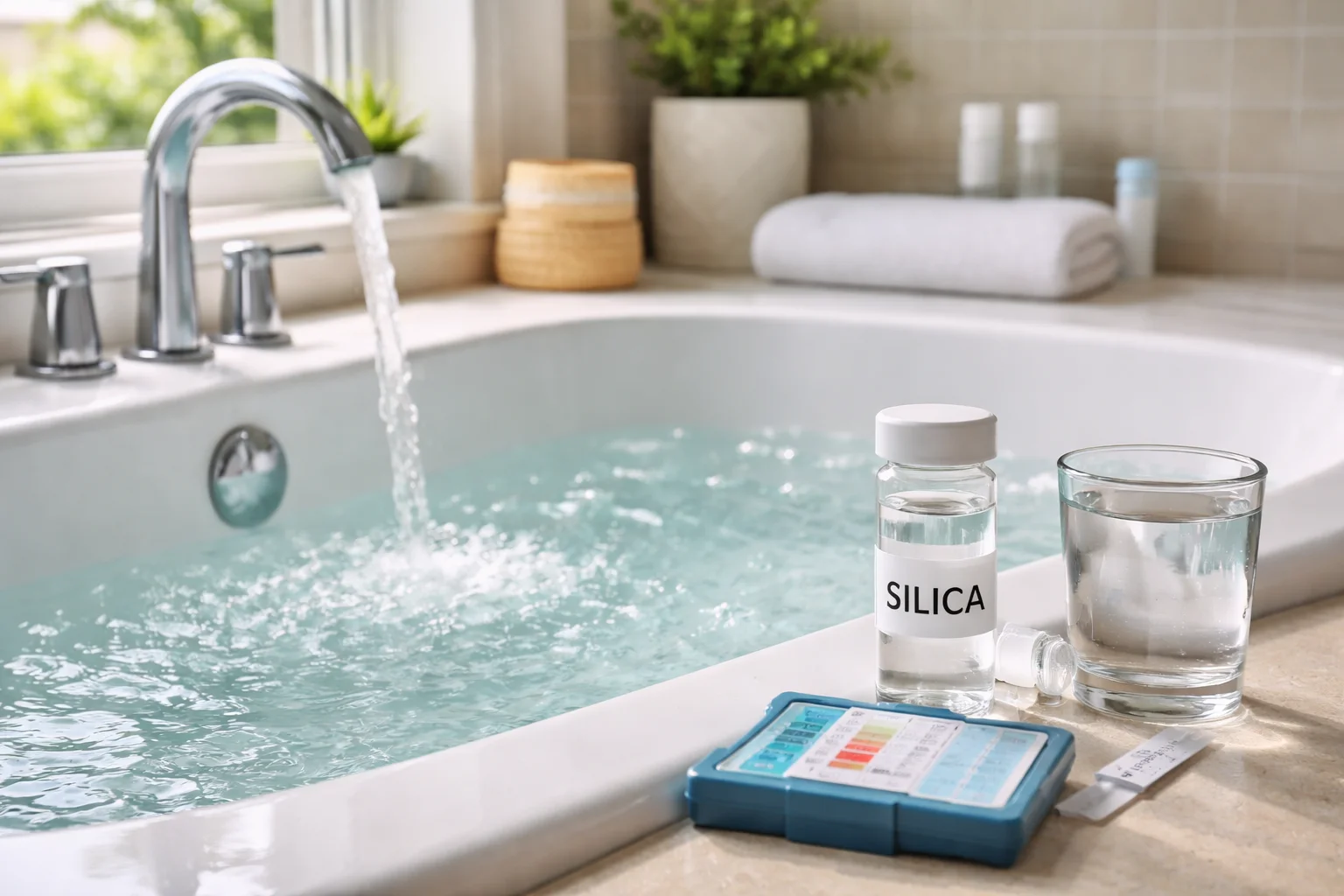
Silica is a naturally occurring mineral that can appear in tap water as dissolved silica or as silicates. It doesn’t always affect flavor, but it can cause practical headaches around the house. When water evaporates or is heated, silica can leave behind stubborn deposits that are harder to remove than ordinary scale—leading to extra spotting on glass, residue on fixtures, and diminished performance from hot-water appliances in Bailey homes.
Because much silica remains dissolved and stable in water, it often resists the same treatment that fixes other common issues. Standard water softeners target calcium and magnesium hardness but usually aren’t the best answer for silica. Some silica also exists as very fine particles that act differently than dissolved silicates, so the buildup you see around your sinks and showers can persist even when other aspects of your water seem improved.
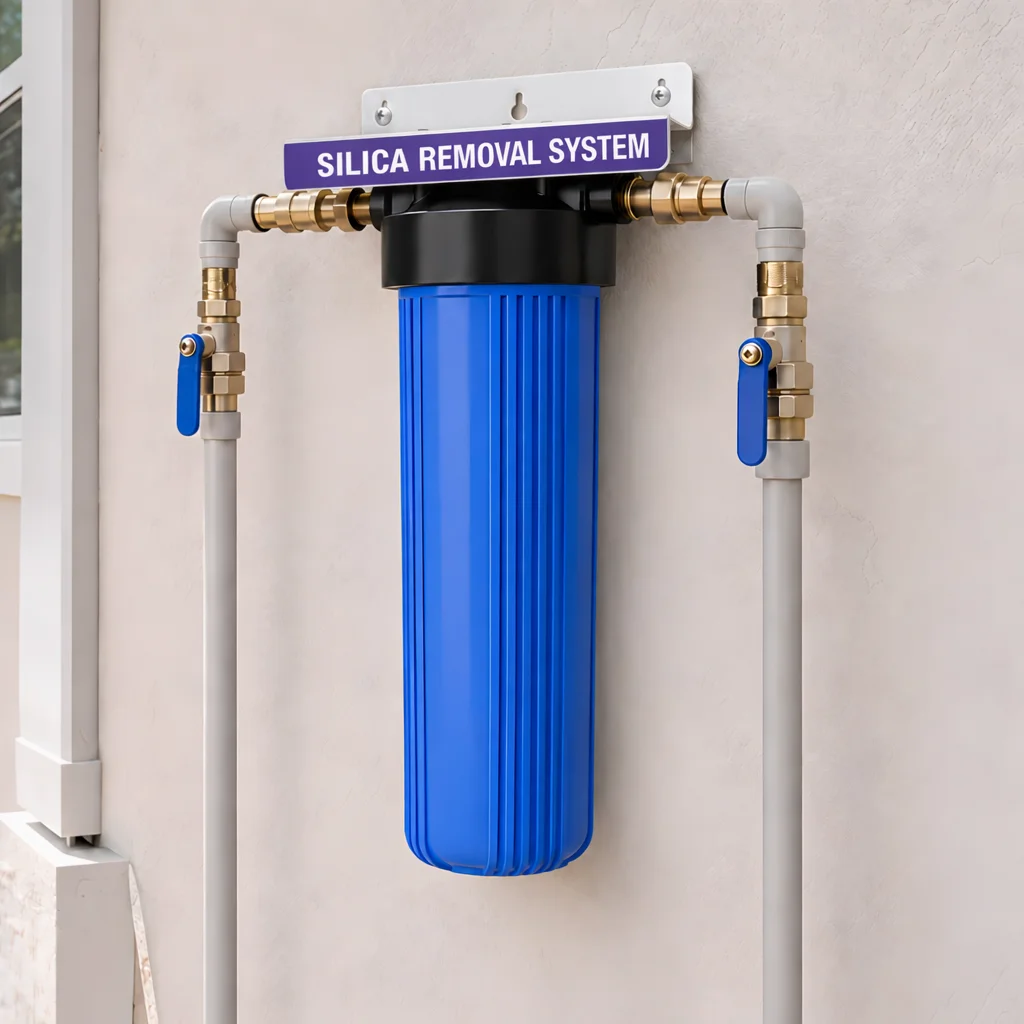
For most households, the single most effective whole-house option for reducing silica is a reverse osmosis system. RO relies on a semipermeable membrane to remove many dissolved minerals—including silica and silicates—rather than merely capturing larger particles. That makes reverse osmosis well suited to address the dissolved forms that can slip past sediment or carbon filters, and when sized correctly it targets the source of the problem, not just the visible residue.
A whole-house reverse osmosis installation is normally paired with pretreatment to protect the membrane and sustain long-term performance. Sediment and carbon stages reduce fouling and strip substances that would otherwise interfere with the RO membrane, while the membrane itself removes dissolved silica. If fine particulate silica is present, the pretreatment will capture much of it before it reaches the membrane. Mr. Pure Water can inspect your Bailey plumbing, test for silica or silicates, and recommend the right pretreatment and RO configuration for your home.
 850-772-1365
 info@bestwaterheater.com

