 Phone: 407-214-2646
 info@bestwaterheater.com
Phone: 407-214-2646
info@bestwaterheater.com
info@bestwaterheater.com
Phone: 407-214-2646
info@bestwaterheater.com
 Phone: 407-214-2646
info@bestwaterheater.com
Phone: 407-214-2646
info@bestwaterheater.com

Including filter system and high-performance Silica filter.


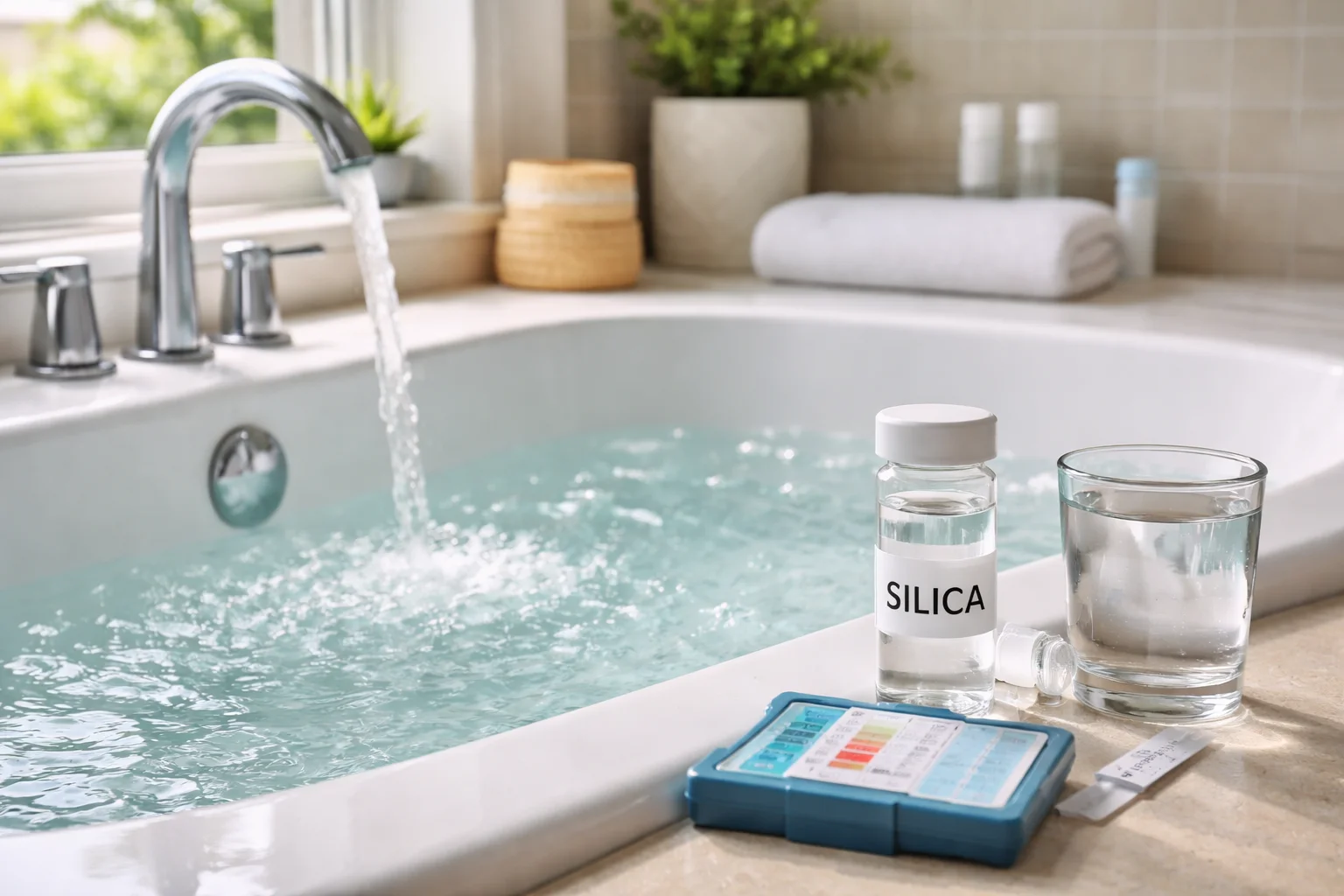
Silica is a natural mineral that can appear in tap water as dissolved silica or as silicates. It may not noticeably change flavor, but it can cause practical headaches around an East Mims home. When water evaporates or is heated, silica often leaves behind stubborn deposits that are tougher to remove than ordinary scale. Homeowners here commonly spot more film on glassware, mineral buildup on fixtures, and diminished efficiency in hot-water appliances.
Treating silica can be more complicated than addressing typical hardness minerals. Standard water softeners are aimed at calcium and magnesium, not dissolved silica, so they frequently fall short. Some silica exists as very fine particles and behaves differently than dissolved silicates, meaning deposits can persist even if other aspects of your water — including moderate hardness common in the Brevard County area — seem managed.
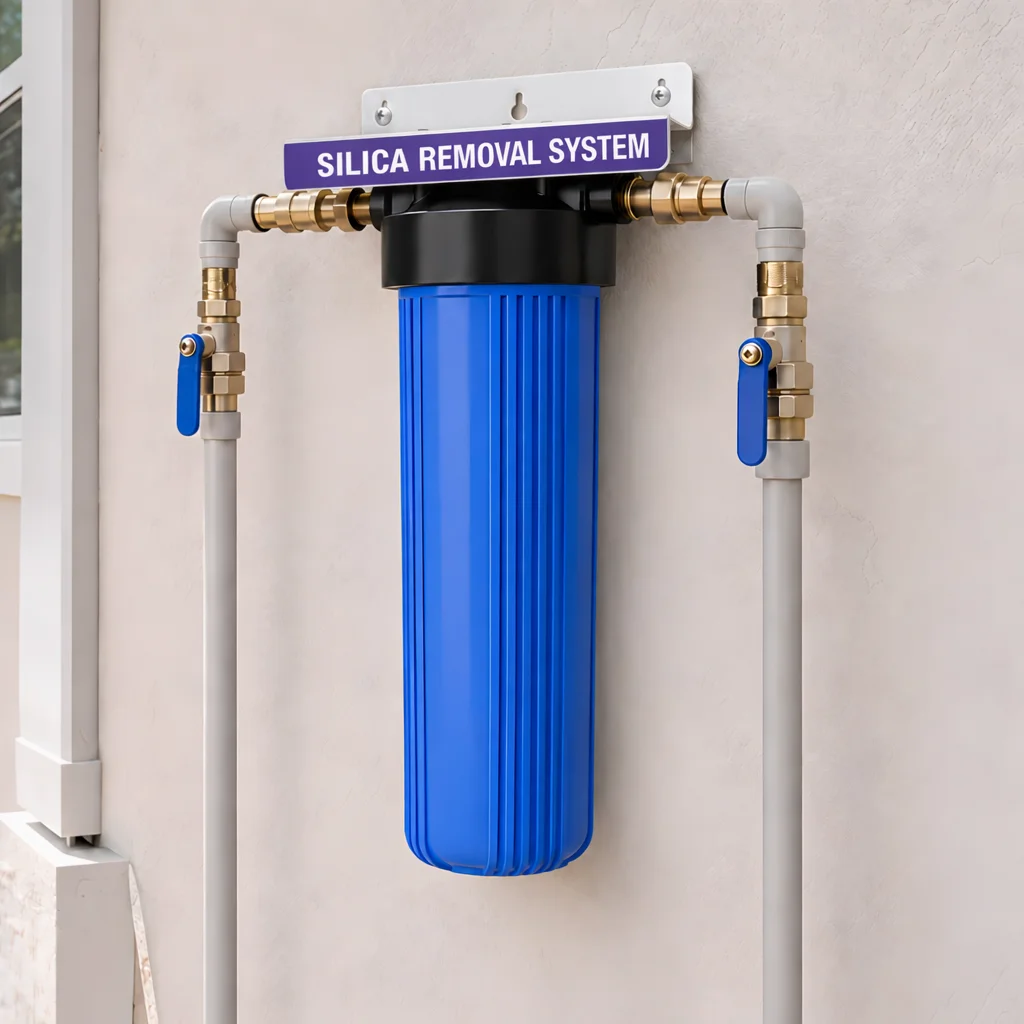
For most homes, the single most effective whole-house option for reducing silica is a reverse osmosis system. RO employs a semipermeable membrane that removes many dissolved minerals, including silica and silicates, instead of merely capturing larger particles. That makes it a strong match for the dissolved silica that can pass through typical sediment or carbon filters, and when sized correctly it addresses the underlying source of the deposits you see on surfaces.
A whole-house reverse osmosis installation is usually paired with pretreatment to protect the membrane and maintain steady performance. Sediment and carbon stages cut down on fouling, remove other contaminants, and can catch fine particulate silica before it reaches the RO membrane. In humid subtropical East Mims, where groundwater use and mineral scaling are common, proper pretreatment helps prolong membrane life. Mr. Pure Water can test your plumbing, identify whether silica or silicates are behind buildup, and recommend the right pretreatment and RO configuration for your home.
 407-214-2646
 info@bestwaterheater.com

