 Phone: 305-404-8790
 info@bestwaterheater.com
Phone: 305-404-8790
info@bestwaterheater.com
info@bestwaterheater.com
Phone: 305-404-8790
info@bestwaterheater.com
 Phone: 305-404-8790
info@bestwaterheater.com
Phone: 305-404-8790
info@bestwaterheater.com

Including filter system and high-performance Silica filter.


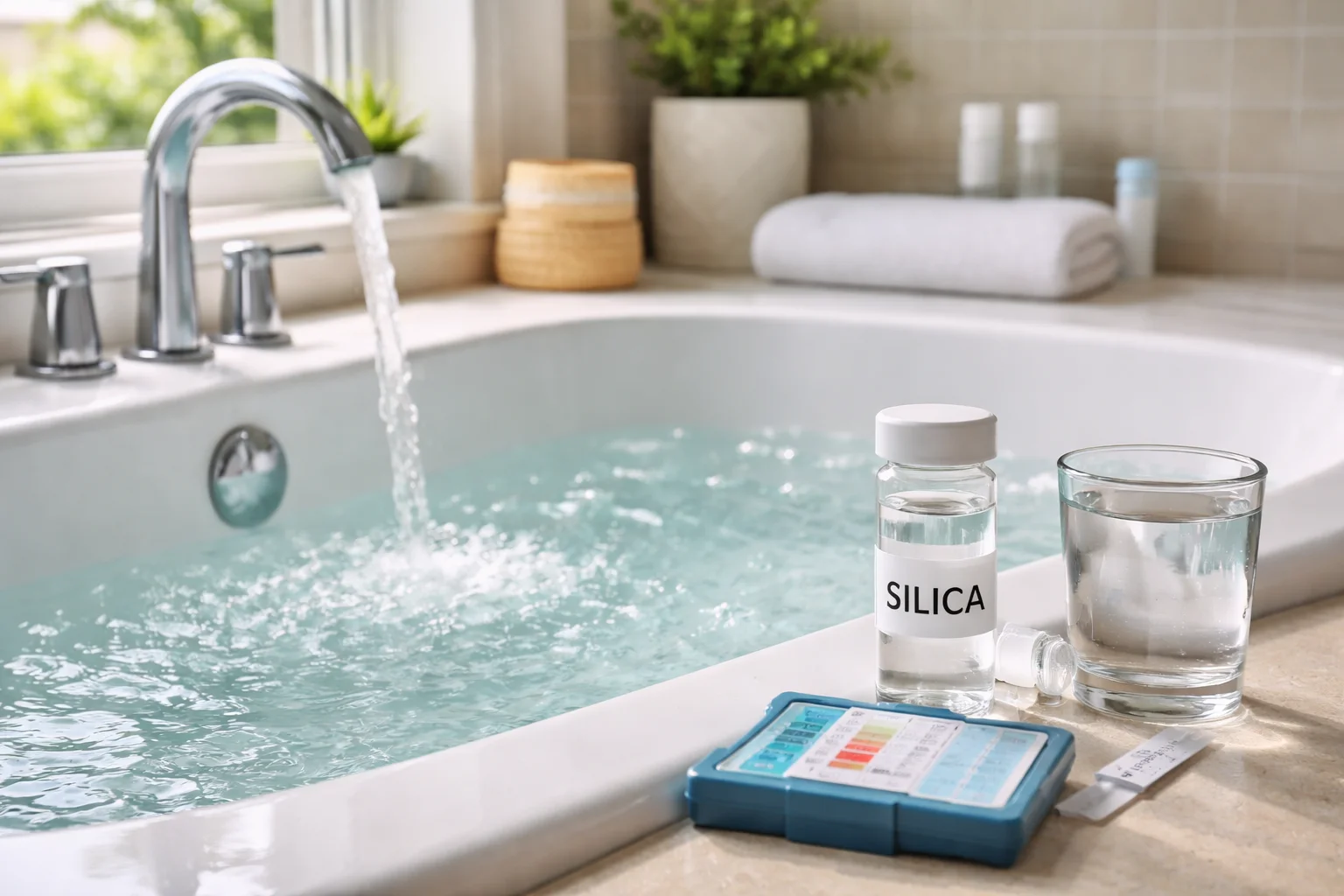
Silica is a naturally occurring mineral that can appear in tap water as dissolved silica or as silicates. It may not affect flavor, but around Miami Gardens homes it can still cause practical headaches: when heated or left to evaporate, silica leaves stubborn, hard-to-remove deposits. You might spot extra spotting on windows, films on shower doors, mineral buildup on fixtures, and diminished efficiency in hot-water appliances—issues familiar to homeowners dealing with South Florida’s hard, mineral-rich supply.
Because silica often stays dissolved and stable in water, it isn’t always treatable with the same gear used for calcium- and magnesium-based hardness. Standard water softeners target those hardness minerals but generally aren’t the best choice for silica or silicates. Some silica can also exist as very fine particulate, which behaves differently from dissolved silicates. That combination helps explain why homeowners in Northern Miami-Dade County may still see scale and spotting even after addressing other water-quality concerns.
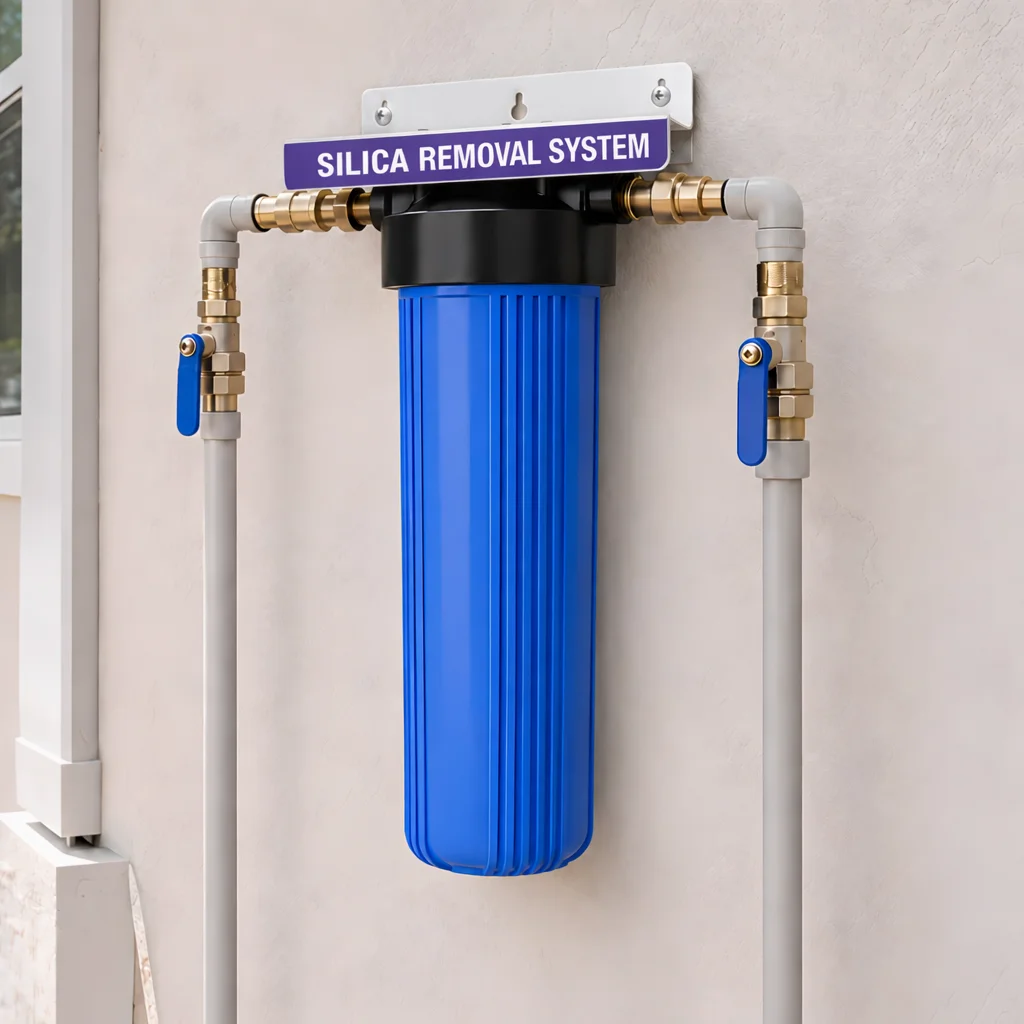
For most households the single most effective whole-house option for reducing silica is a reverse osmosis system. RO employs a semipermeable membrane to remove dissolved minerals—including silica and silicates—rather than merely filtering out larger particles. That makes it a stronger solution for the dissolved forms that can pass through typical sediment or carbon filters, and a good fit for Miami Gardens properties coping with hard, mineral-rich municipal water.
A whole-house reverse osmosis installation is usually paired with pretreatment to protect the membrane and preserve performance. Sediment and carbon stages reduce fouling and remove other contaminants that could interfere with the RO membrane, while the RO stage handles dissolved silica; pretreatment also helps capture any fine particulate silica before it reaches the membrane. Mr. Pure Water can assess your Miami Gardens home—whether in Bunche Park, Carol City, or nearby neighborhoods—and recommend the right pretreatment and RO configuration to address buildup and keep appliances running well.
 305-404-8790
 info@bestwaterheater.com

