 Phone: 772-290-5223
 info@bestwaterheater.com
Phone: 772-290-5223
info@bestwaterheater.com
info@bestwaterheater.com
Phone: 772-290-5223
info@bestwaterheater.com
 Phone: 772-290-5223
info@bestwaterheater.com
Phone: 772-290-5223
info@bestwaterheater.com

Including filter system and high-performance Silica filter.


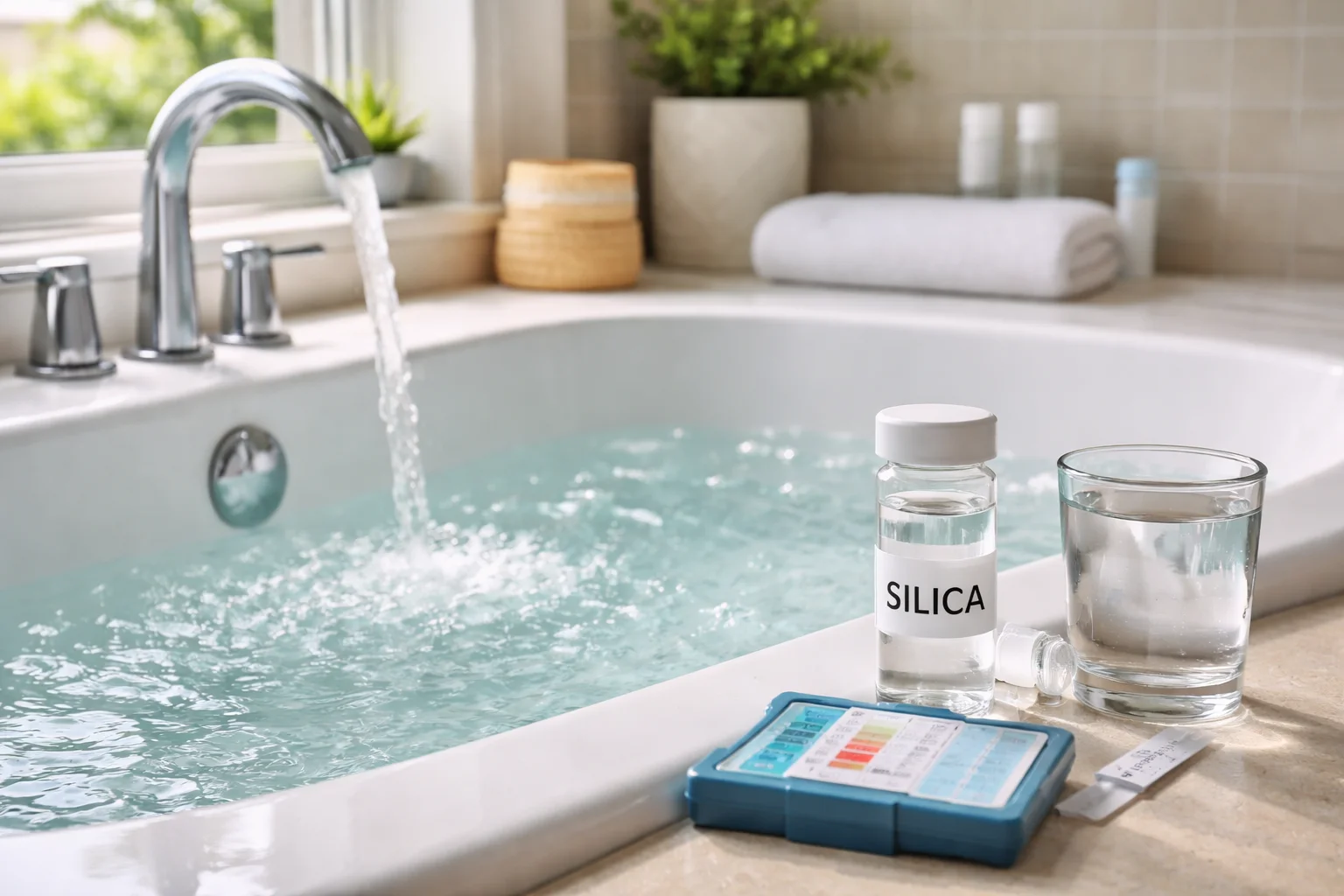
Silica is a naturally occurring mineral that can appear in tap water as dissolved silica or as silicates. It may not change flavor, but it can still cause headaches in a home—especially in Naples where hard water is common and coastal salt air speeds corrosion. When water is heated or evaporates, silica often leaves stubborn deposits that are tougher to remove than ordinary mineral scale, showing up as spots on glass, buildup on faucets and showerheads, and diminished appliance performance over time.
Because silica frequently stays dissolved and chemically stable, it can be harder to address with equipment meant for other water concerns. Conventional water softeners target calcium and magnesium hardness but usually aren’t the best fix for silica or silicates. In some homes there’s also fine particulate silica, which behaves differently than dissolved forms. That’s why homeowners in Naples neighborhoods from Old Naples to Pelican Bay may still see buildup even after treating other common issues.
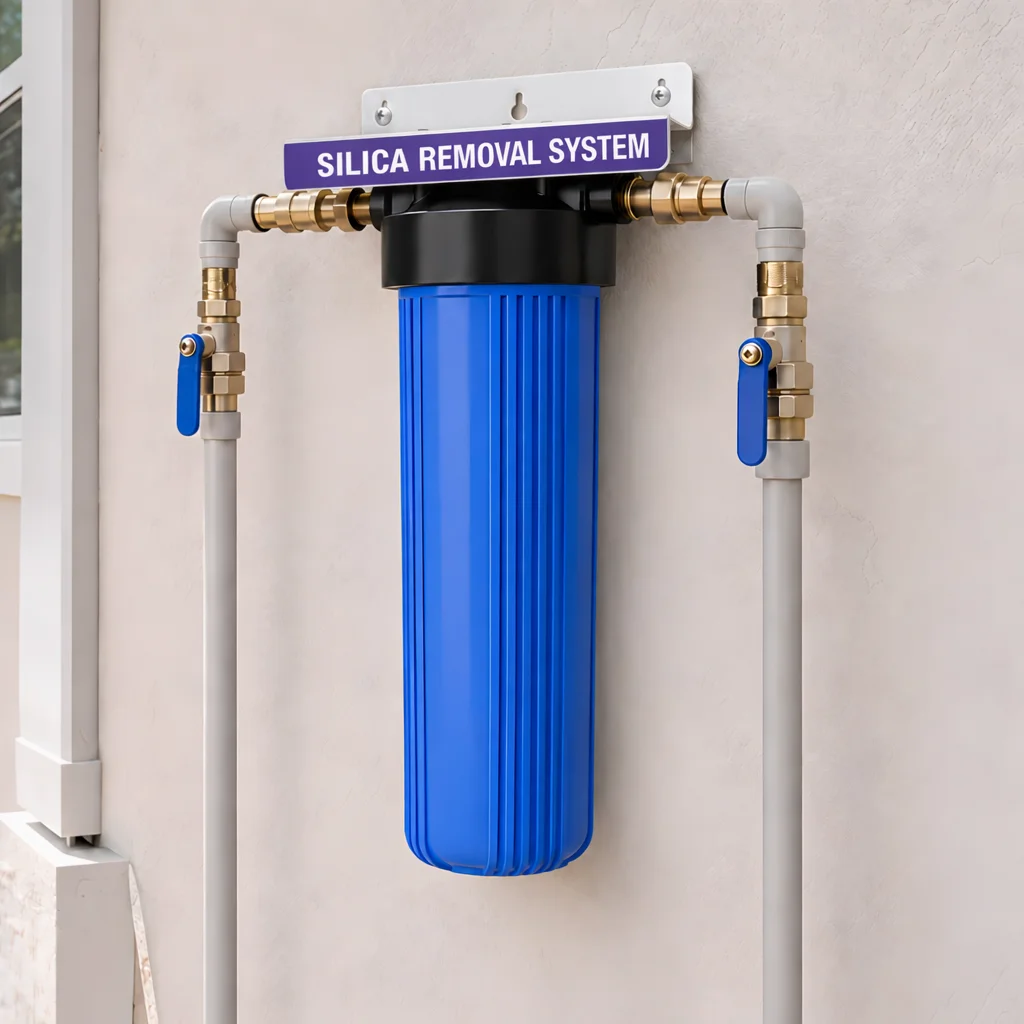
For many households, the single most effective whole-house option for reducing silica is a reverse osmosis system—one that treats a home’s water at the point where dissolved minerals are removed rather than merely trapping particles. RO’s semipermeable membrane can reduce dissolved silica and silicates that pass through standard sediment or carbon filters, making it a good choice for tackling the root cause of spotting and scale that shows up on fixtures and glass in Gulf Coast homes.
A whole-house reverse osmosis installation is usually complemented by pretreatment to protect the membrane and maintain performance. Sediment and carbon stages reduce fouling and strip out other substances that can shorten membrane life, while the RO stage addresses dissolved silica; any fine particulate silica is often captured in pretreatment. Mr. Pure Water can assess whether silica or silicates are behind your buildup in Naples and recommend the right pretreatment and RO configuration for your Collier County home.
 772-290-5223
 info@bestwaterheater.com

