 Phone: 305-404-8790
 info@bestwaterheater.com
Phone: 305-404-8790
info@bestwaterheater.com
info@bestwaterheater.com
Phone: 305-404-8790
info@bestwaterheater.com
 Phone: 305-404-8790
info@bestwaterheater.com
Phone: 305-404-8790
info@bestwaterheater.com

Including filter system and high-performance Silica filter.


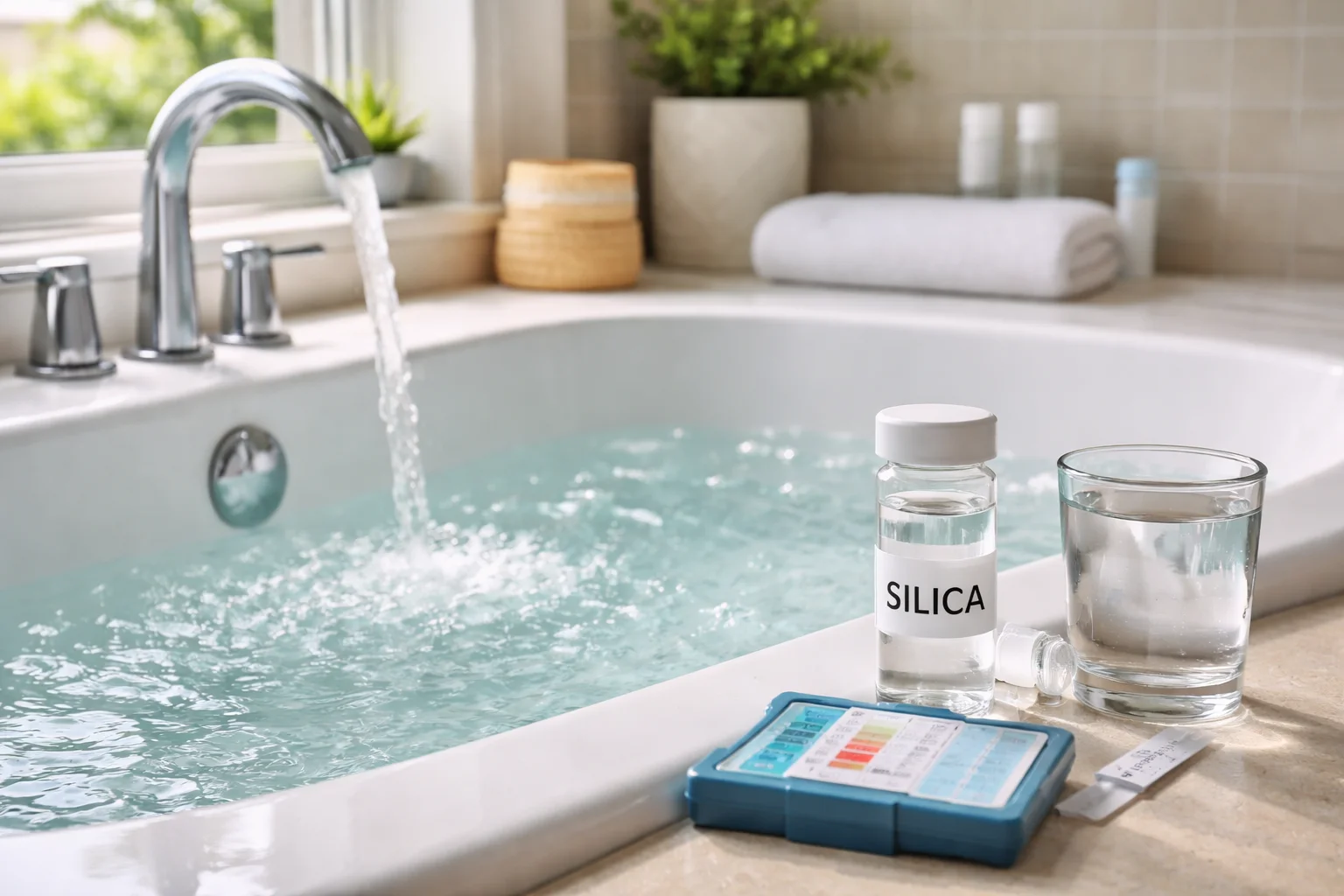
Silica is a natural mineral that can appear in tap water as dissolved silica or as silicates. While it may not change flavor, it can cause persistent annoyances around the house — especially when water is heated or evaporates. In Newport’s humid subtropical climate and with the region’s generally hard groundwater, silica deposits can leave stubborn spotting on glass, film on fixtures, and scale that shortens the life or performance of water-heating appliances.
Dissolved silica is often stable in water, so it doesn’t always respond to the same treatments that work for calcium and magnesium. Standard water softeners target hardness minerals but are not usually the best answer for silica or silicates, and fine particulate silica behaves differently than dissolved forms. That means homeowners in Newport may still see buildup or spotting even after addressing typical hardness issues, particularly during humidity swings or the occasional cold snaps that can affect plumbing.
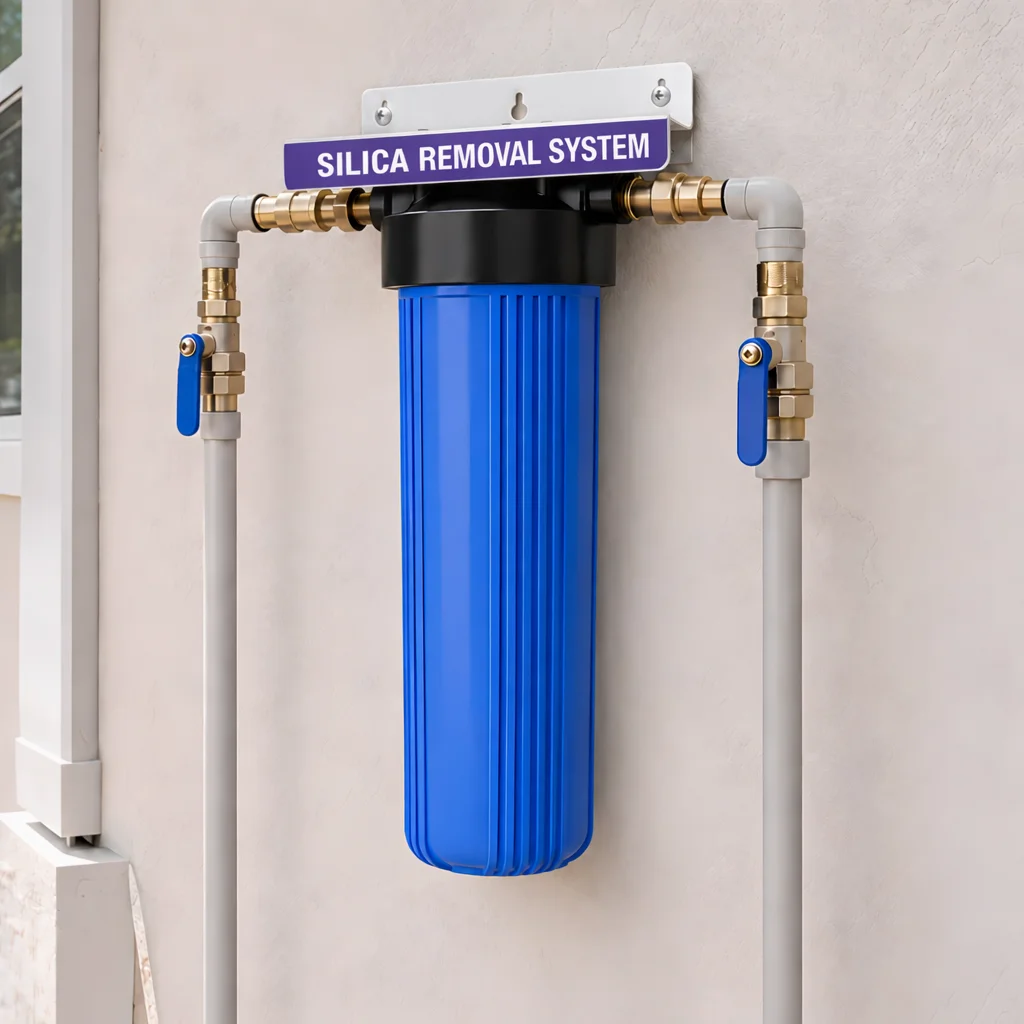
For most homes the single most effective whole-house option for reducing silica is a reverse osmosis system; RO uses a semipermeable membrane to remove dissolved minerals like silica and silicates rather than just catching larger particles. Because dissolved silica can pass through sediment or carbon filters, a properly sized RO system is better suited to tackle the root cause of the deposits you see on surfaces and in appliances.
A whole-house reverse osmosis installation is usually paired with pretreatment to keep the membrane functioning well over time. Sediment and carbon stages reduce fouling and remove interfering substances, and they also help capture any fine particulate silica before it reaches the RO membrane. Mr. Pure Water can inspect Newport homes, determine whether silica or silicates are contributing to scale and spotting, and recommend the right pretreatment and RO configuration for your hard-water area.
 305-404-8790
 info@bestwaterheater.com

