 Phone: 772-290-5223
 info@bestwaterheater.com
Phone: 772-290-5223
info@bestwaterheater.com
info@bestwaterheater.com
Phone: 772-290-5223
info@bestwaterheater.com
 Phone: 772-290-5223
info@bestwaterheater.com
Phone: 772-290-5223
info@bestwaterheater.com

Including filter system and high-performance Silica filter.


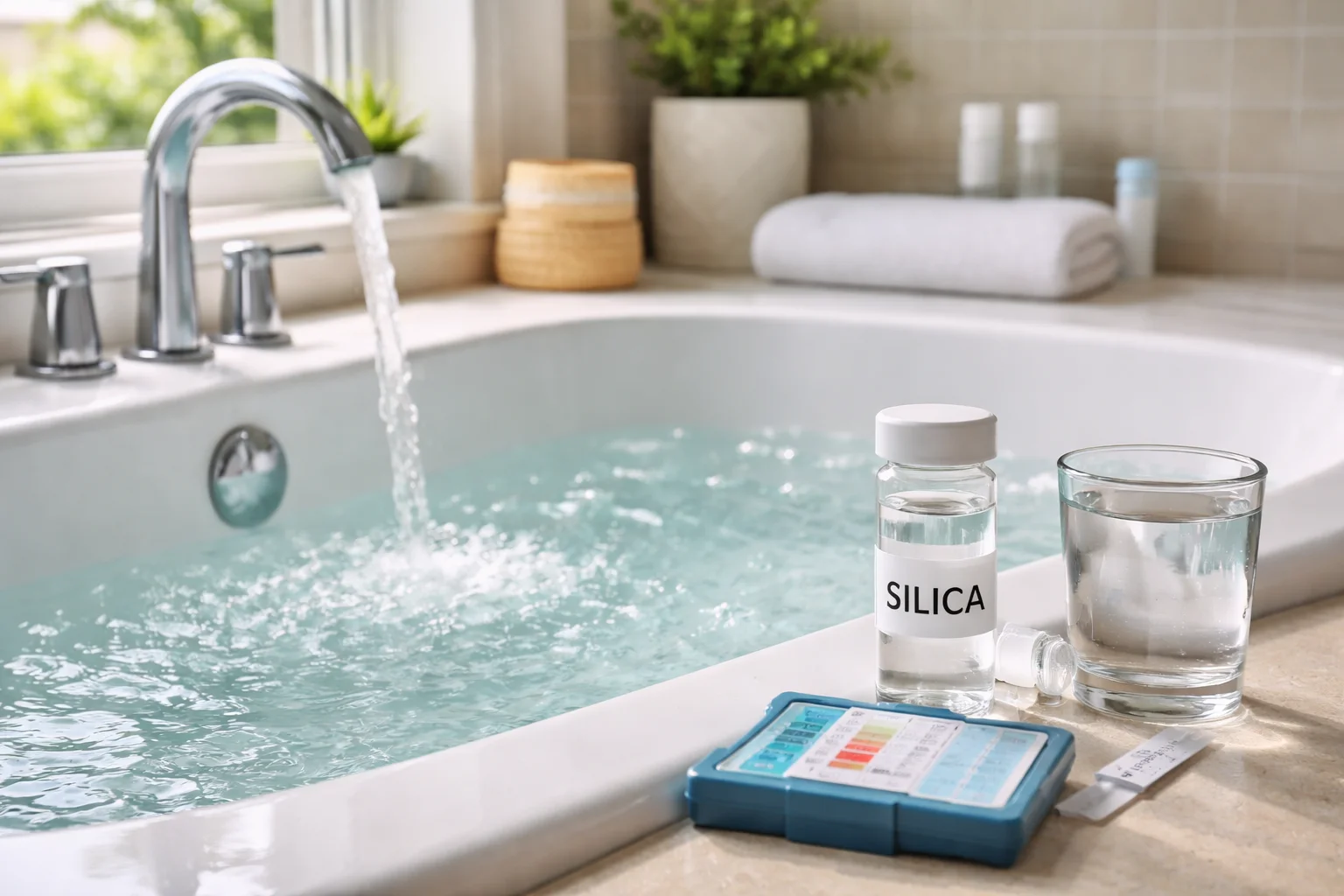
Silica is a naturally occurring mineral that can appear in tap water as dissolved silica or as silicates. It often doesn’t change flavor, but it can cause practical headaches for homeowners. When Rio’s water is heated or evaporates, silica may leave behind hard-to-remove deposits that are more stubborn than ordinary scale, leading to spotting on glass, buildup on faucets and fixtures, and decreased efficiency in hot-water appliances.
Dissolved silica and silicates can be stubborn because they stay stable in water and don’t respond well to the same treatments that reduce hardness. Standard water softeners target calcium and magnesium, not silica, so they usually won’t eliminate the deposits Rio residents see. Fine particulate silica can behave differently from dissolved forms, meaning buildup may persist even when other water concerns are addressed.
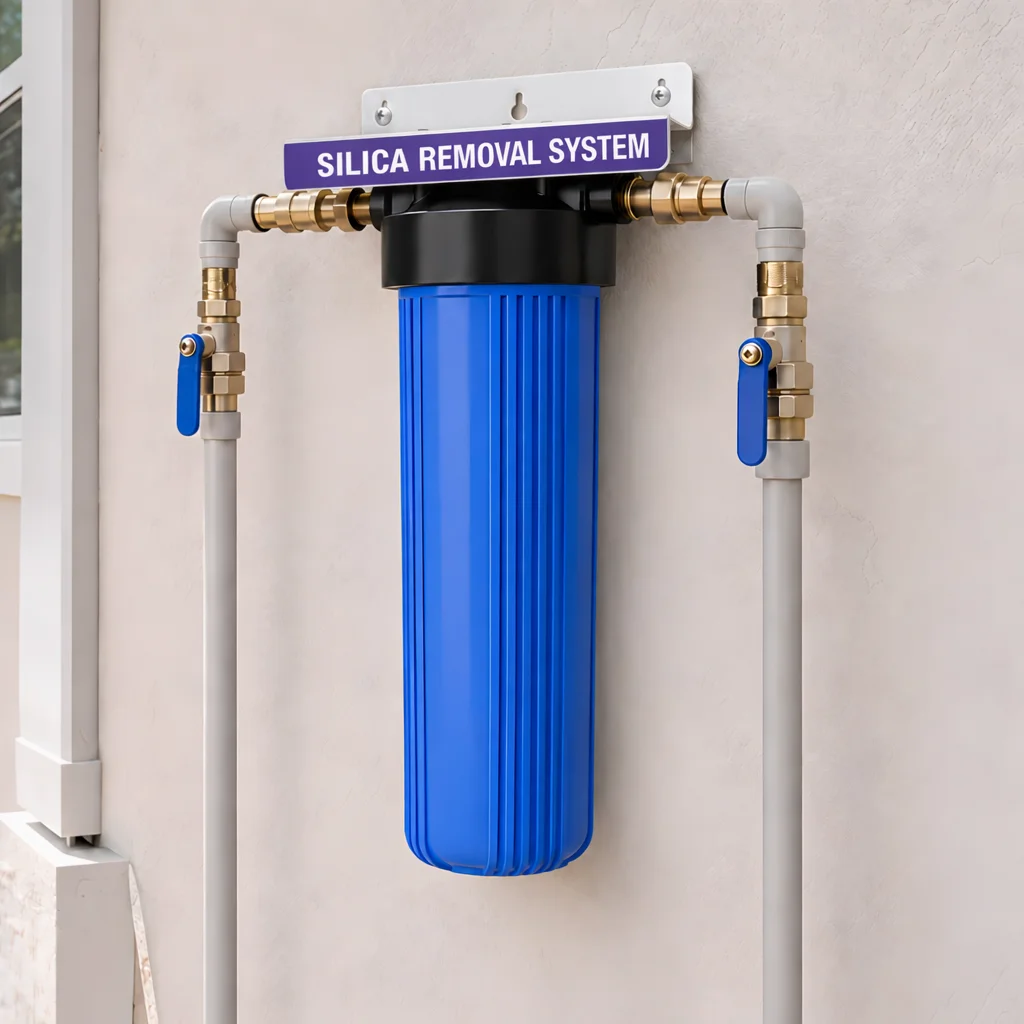
For many households, the single most effective whole-house option for reducing silica is a reverse osmosis system. RO uses a semipermeable membrane to remove dissolved minerals like silica and silicates rather than only filtering larger particles, so it’s better suited than sediment or carbon-only systems for the dissolved forms that cause spotting and scale in Rio homes.
A whole-house reverse osmosis arrangement is generally installed with pretreatment to preserve membrane life and steady performance. Sediment and carbon prefilters cut down on fouling and remove other contaminants that could impair the membrane, and they also help capture any fine particulate silica before it reaches the RO stage. In coastal Rio, where salt-air corrosion and occasional hurricane-related power outages can affect plumbing and equipment, proper configuration and maintenance are especially important — Mr. Pure Water can assess whether silica or silicates are behind your buildup and recommend the right setup for your home.
 772-290-5223
 info@bestwaterheater.com

