 Phone: 772-290-5223
 info@bestwaterheater.com
Phone: 772-290-5223
info@bestwaterheater.com
info@bestwaterheater.com
Phone: 772-290-5223
info@bestwaterheater.com
 Phone: 772-290-5223
info@bestwaterheater.com
Phone: 772-290-5223
info@bestwaterheater.com

Including filter system and high-performance Silica filter.


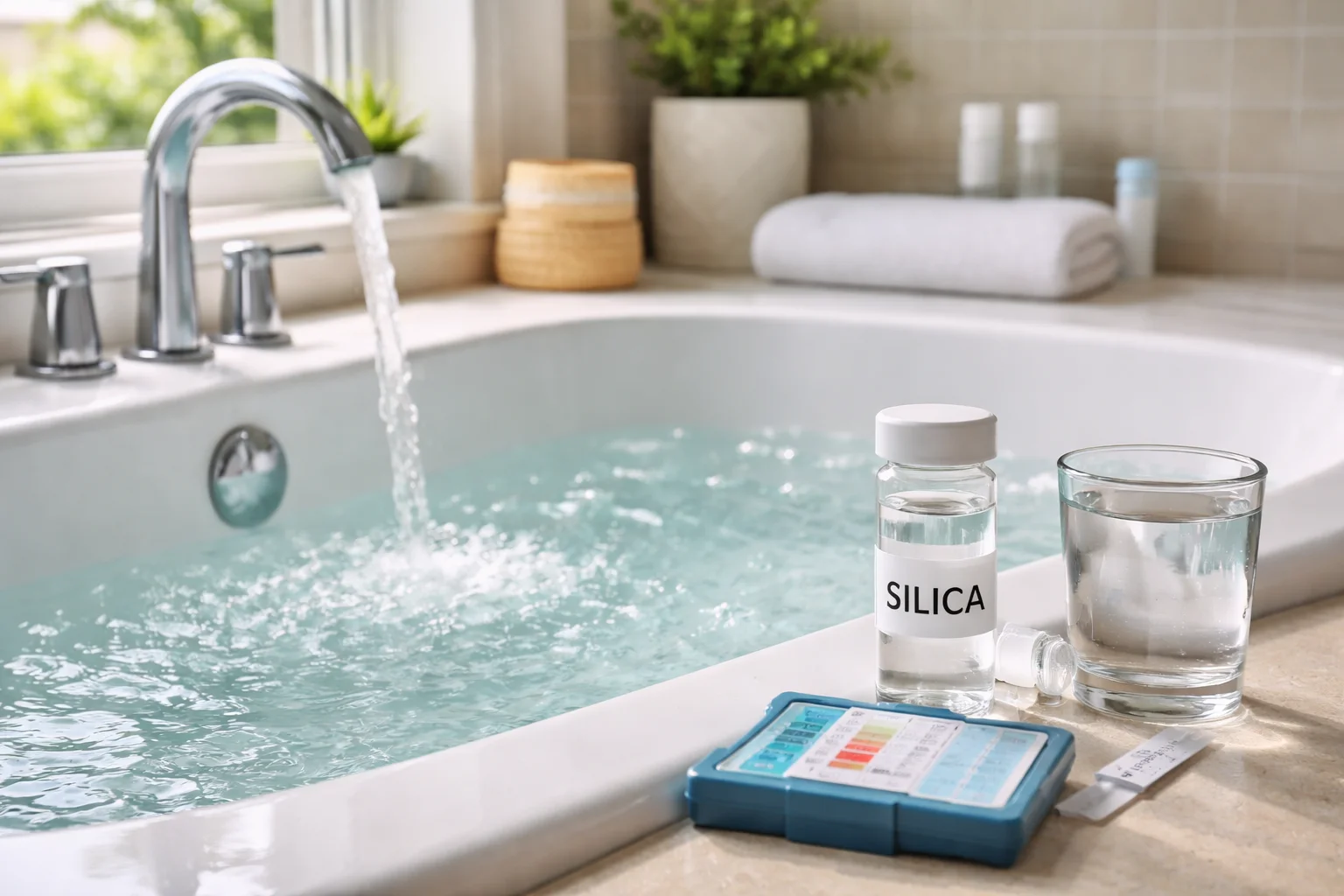
Silica is a naturally occurring mineral that shows up in tap water as dissolved silica or as silicates. It may not affect flavor, but it causes practical problems around the house — especially where water heats or evaporates. In Sebastian, where hard water and coastal humidity make spotting and scale more visible, you may notice stubborn deposits on glass, mineral buildup on fixtures, and decreased efficiency in hot-water appliances.
Because silica often stays dissolved and chemically stable, it doesn’t always respond to the same treatments used for other common issues. Traditional water softeners target hardness minerals such as calcium and magnesium and generally aren’t the best fix for silica or silicates. Some silica also exists as very fine particulate that behaves differently than dissolved silica, so even when a home’s softener and other systems seem to be working, silica-related buildup can persist in places like shower doors and kettles.
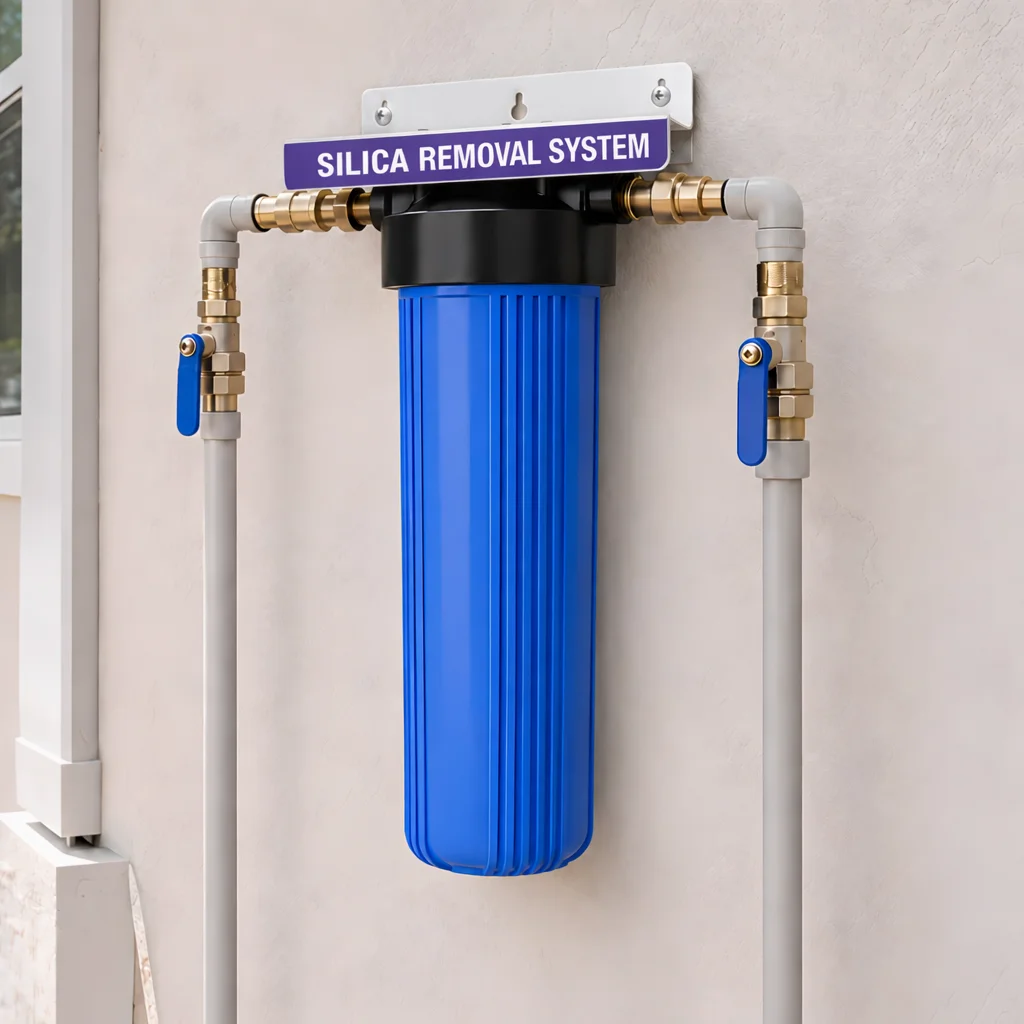
For most homes, the single most effective whole-house option for cutting dissolved silica is a reverse osmosis system. RO relies on a semipermeable membrane to remove many dissolved minerals, including silica and silicates, rather than merely trapping larger particles. That makes it a strong choice in Sebastian households where hard water scaling and saline air can accelerate corrosion and leave deposits that typical sediment or carbon filters don’t address.
A whole-house reverse osmosis installation is usually paired with pretreatment to protect the membrane and maintain reliable performance. Sediment and carbon stages reduce fouling and capture fine particulate silica before it reaches the RO membrane, while the RO stage handles dissolved silica. In Sebastian and the wider Indian River County area, Mr. Pure Water can test your water, determine whether silica or silicates are behind the buildup, and recommend the right pretreatment and RO configuration for your home.
 772-290-5223
 info@bestwaterheater.com

