 Phone: 850-772-1365
 info@bestwaterheater.com
Phone: 850-772-1365
info@bestwaterheater.com
info@bestwaterheater.com
Phone: 850-772-1365
info@bestwaterheater.com
 Phone: 850-772-1365
info@bestwaterheater.com
Phone: 850-772-1365
info@bestwaterheater.com

Including filter system and high-performance Sodium Chloride (Salt) filter.


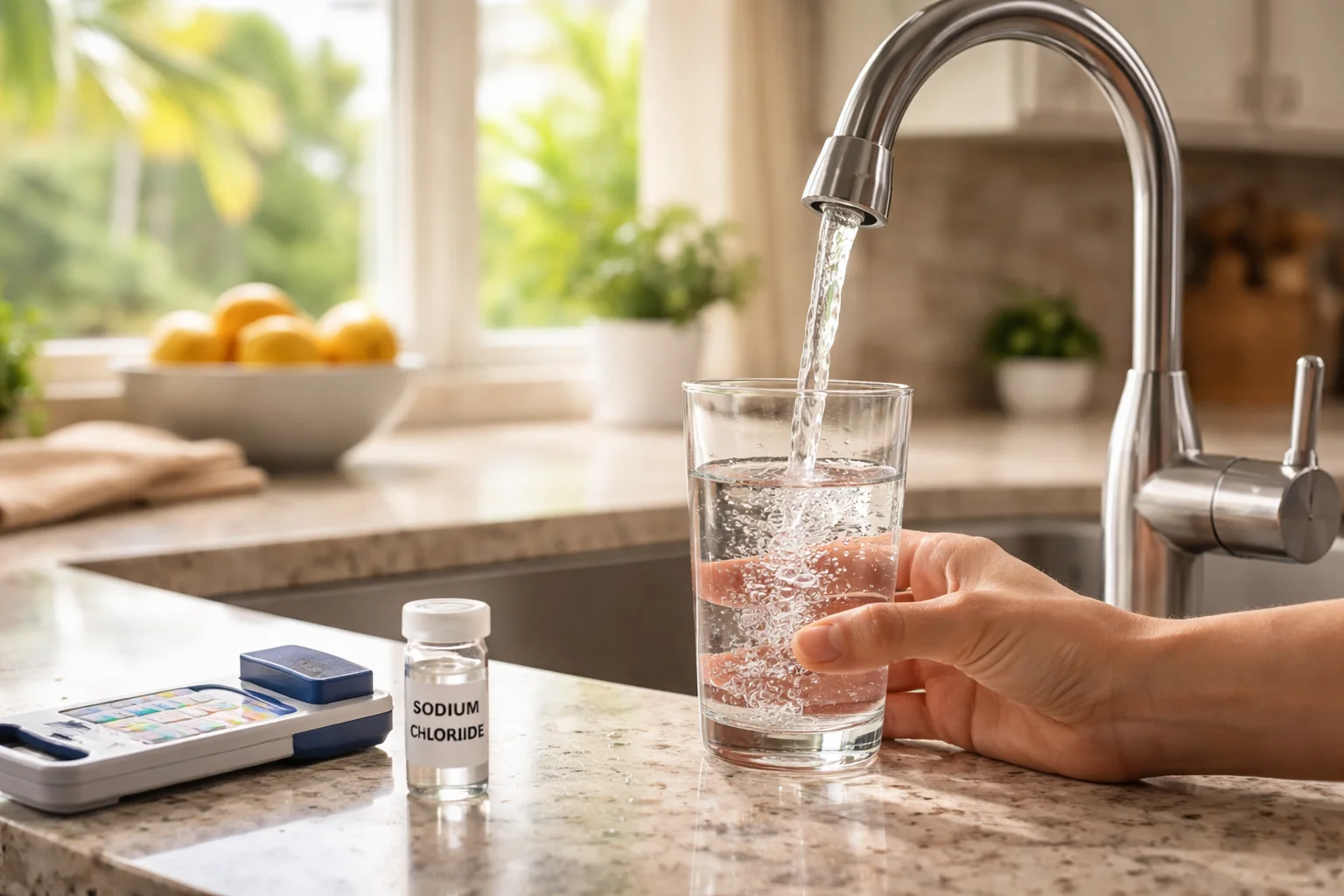
Sodium chloride, often called salt, can find its way into household water for several reasons — from natural mineral content in source water to treatment or regeneration processes. In Cox, homeowners sometimes notice a faintly briny taste that makes drinking or cooking less pleasant. Even small amounts matter to those limiting sodium in their diets, because salt is invisible in a glass and can be hard to detect without testing.
When salt levels are higher, you may see effects around the house: lingering taste in coffee, ice, or beverages and a thin film on fixtures or glass that's stubborn to remove. Sodium chloride dissolves completely, so standard sediment or boil-and-serve tricks won’t remove it. The smartest first move for Cox residents is to test the water to learn whether the source is the incoming supply, a softener/regeneration issue, or another cause.
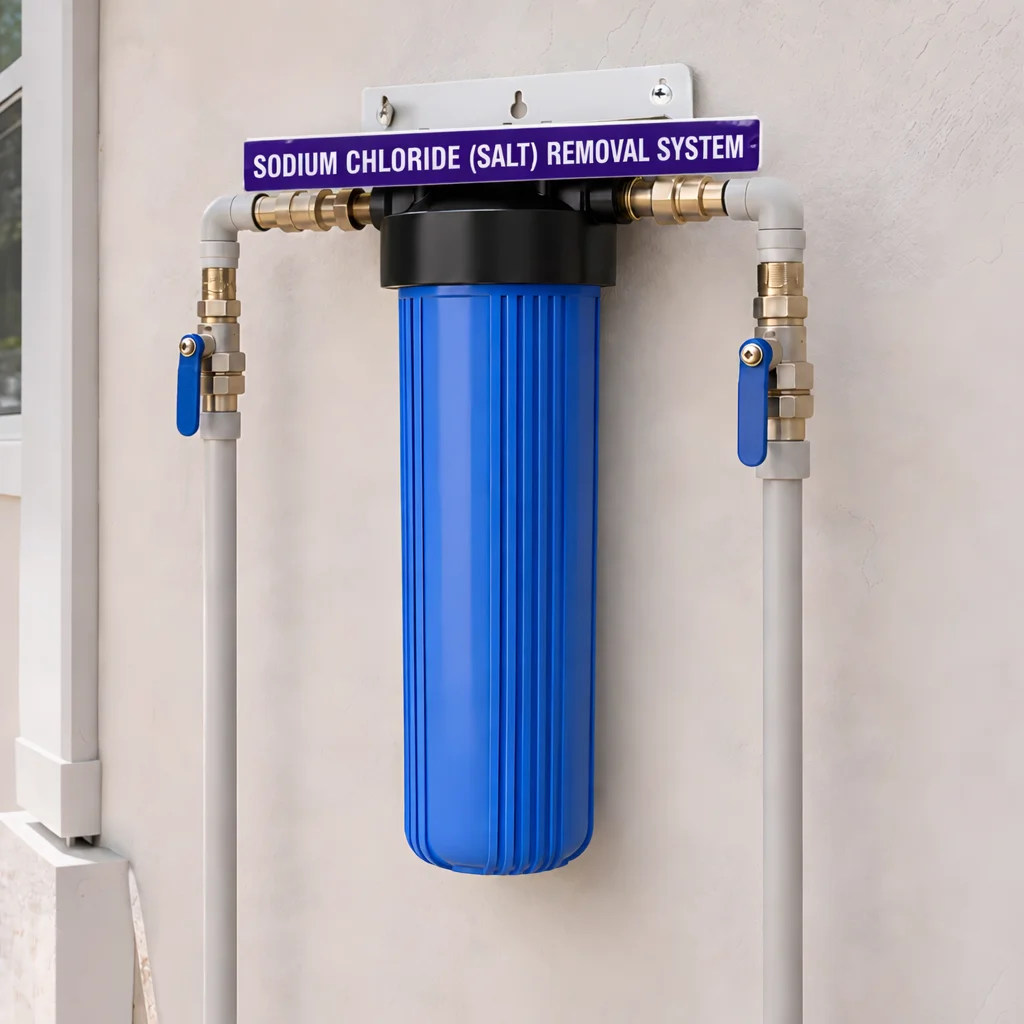
To actually remove dissolved sodium chloride, the most effective single-filter choice is a reverse osmosis system. RO relies on a semi-permeable membrane to separate dissolved salts from water, unlike carbon or sediment filters that focus on particles, chlorine, and odors. This is the same core method used for desalination and reducing total dissolved solids, so when salt is the primary concern, selecting the right RO membrane and setup is what matters most.
In a whole-house context, reverse osmosis is usually deployed as a dedicated treatment system with prefiltration to protect the membrane and ensure steady performance. Prefiltration — sediment to prevent fouling and carbon to cut chlorine where present — helps the membrane last longer. Because RO separates a purified stream from a rinse stream, proper sizing and professional installation are important for everyday demand in Cox homes. Mr. Pure Water can test your water, identify the source of salt, and design a whole-house RO solution tailored to your household needs.
 850-772-1365
 info@bestwaterheater.com

