 Phone: 850-772-1365
 info@bestwaterheater.com
Phone: 850-772-1365
info@bestwaterheater.com
info@bestwaterheater.com
Phone: 850-772-1365
info@bestwaterheater.com
 Phone: 850-772-1365
info@bestwaterheater.com
Phone: 850-772-1365
info@bestwaterheater.com

Including filter system and high-performance Sodium Chloride (Salt) filter.


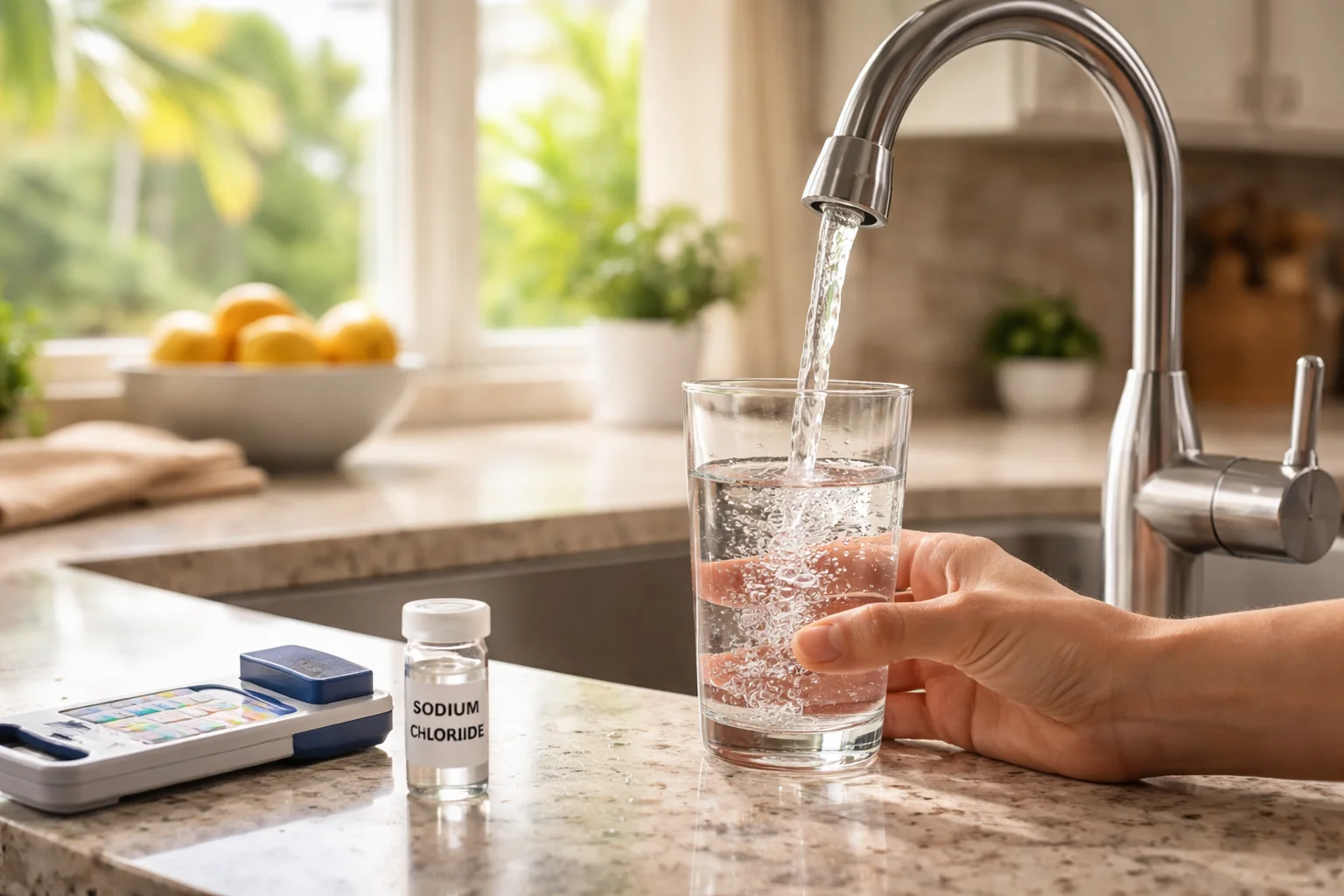
Sodium chloride, often just called salt, can appear in household water for several reasons — from natural groundwater composition to treatment or regeneration processes. In Nash, Florida homeowners sometimes notice a faintly briny taste or worry about what their family is drinking and cooking with. Even small amounts are invisible in a glass, which is especially concerning for anyone watching their sodium intake.
Elevated salt changes how water performs around the house: it can leave a lingering taste in coffee, tea, and ice, and create a dull film on faucets and glass that’s hard to remove. Because sodium chloride dissolves completely, sediment filters and boiling won’t capture it. The sensible first move for Nash homeowners is a water test to determine whether the source is your incoming supply, a softener regeneration issue, or another culprit.
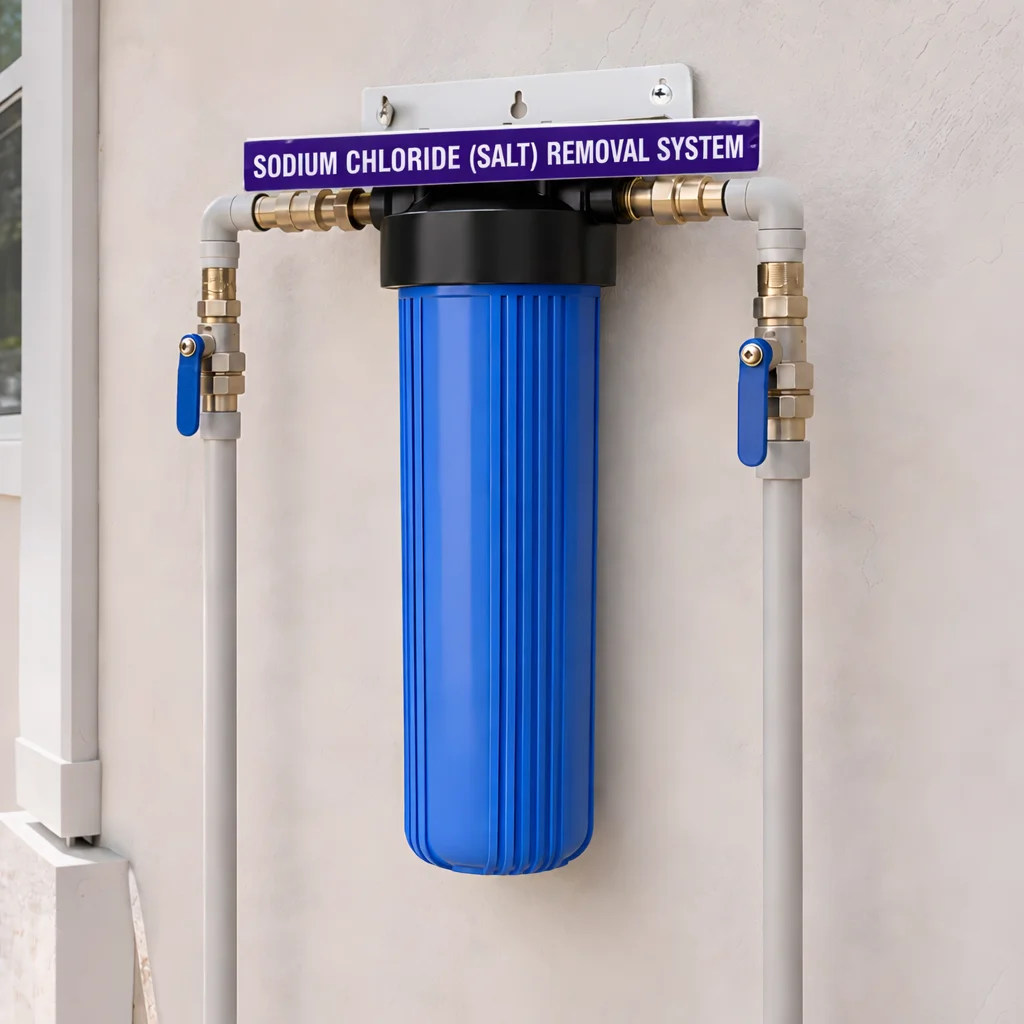
When the goal is removing dissolved sodium chloride, a reverse osmosis (RO) system is the most effective single-filter option. RO pushes water through a semi-permeable membrane that separates dissolved salts from the treated water — a capability carbon and sediment filters don’t provide. This is the same basic technology used for reducing total dissolved solids, so when salt is the primary concern, selecting the right RO membrane and setup is what matters most.
For whole-house protection in Nash, RO is usually deployed as a dedicated system with prefiltration to safeguard the membrane and maintain consistent performance. Sediment prefilters prevent fouling, and carbon prefilters reduce chlorine that can shorten membrane life if present. Because RO delivers both a purified stream and a concentrate rinse, proper sizing and installation are important for everyday household demand — Mr. Pure Water can test your water, identify the salt source, and design a whole-house RO system tailored to your home.
 850-772-1365
 info@bestwaterheater.com

