 Phone: 772-290-5223
 info@bestwaterheater.com
Phone: 772-290-5223
info@bestwaterheater.com
info@bestwaterheater.com
Phone: 772-290-5223
info@bestwaterheater.com
 Phone: 772-290-5223
info@bestwaterheater.com
Phone: 772-290-5223
info@bestwaterheater.com

Including filter system and high-performance Styrene filter.


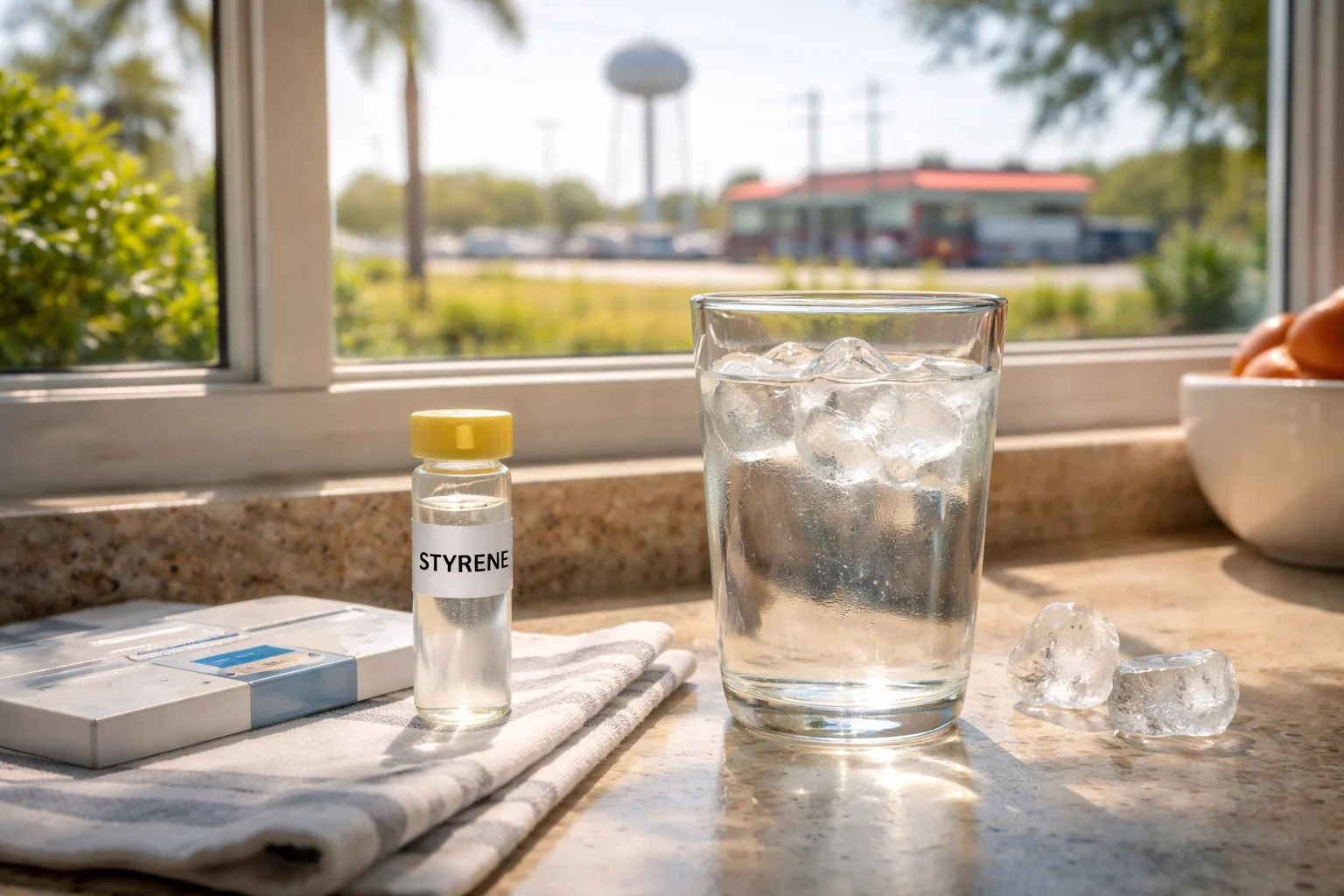
Styrene is an industrial chemical used to make plastics and resins, and sometimes it can appear in household water supplies where you least expect it. When present, it may cause a faint chemical or sweet-like taste or odor — something you might notice more if water sits in pipes or fixtures. Styrene can reach drinking water through manufacturing discharges, contaminated groundwater, or contact with certain materials, and because it’s invisible, many Orchid residents first become aware of it from changes in taste or smell rather than by sight.
The first practical step if you suspect styrene in your Orchid home is to have your water professionally tested. Results often differ from one neighborhood to another and even between nearby properties, influenced by water source, pipe condition, and whether you’re on a private well or a utility supply. In Indian River County’s coastal setting — where hard groundwater and salt air can affect plumbing — addressing styrene is usually part of a broader plan to improve overall household water. Installing whole-house treatment ensures every tap, shower, and appliance receives the same treated water.
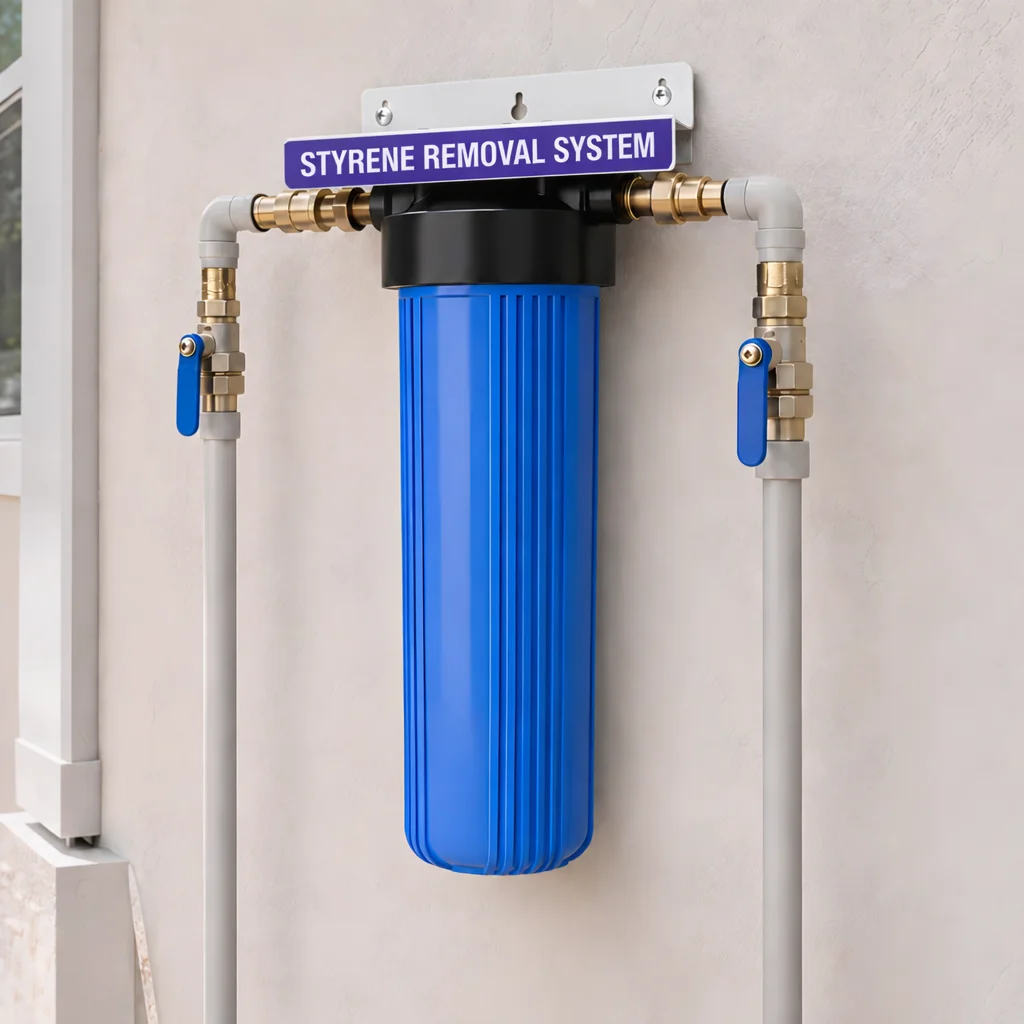
For removing styrene, a whole-house activated carbon filter is generally the best single-filter choice. Because styrene is an organic compound, it responds well to adsorption onto high-surface-area carbon media, which is widely used to reduce organic contaminants that cause taste and odor issues. In a correctly sized system, water flows through the carbon where styrene is captured, making carbon filtration a common and effective option when the goal is to reduce chemical-like tastes and smells in your home’s water.
Mr. Pure Water installs whole-house carbon filtration at the water entry point so treatment covers every fixture in your Orchid home — from the kitchen to showers and laundry. That means fewer chemical tastes and odors throughout your house, including where you notice them most. The system must be matched to your home’s demand — accounting for flow rate, contact time, and the right carbon media — and with regular maintenance and timely media replacement it can deliver consistent reduction of styrene across your whole home.
 772-290-5223
 info@bestwaterheater.com

