 Phone: 407-214-2646
 info@bestwaterheater.com
Phone: 407-214-2646
info@bestwaterheater.com
info@bestwaterheater.com
Phone: 407-214-2646
info@bestwaterheater.com
 Phone: 407-214-2646
info@bestwaterheater.com
Phone: 407-214-2646
info@bestwaterheater.com

Including filter system and high-performance Sulfate filter.


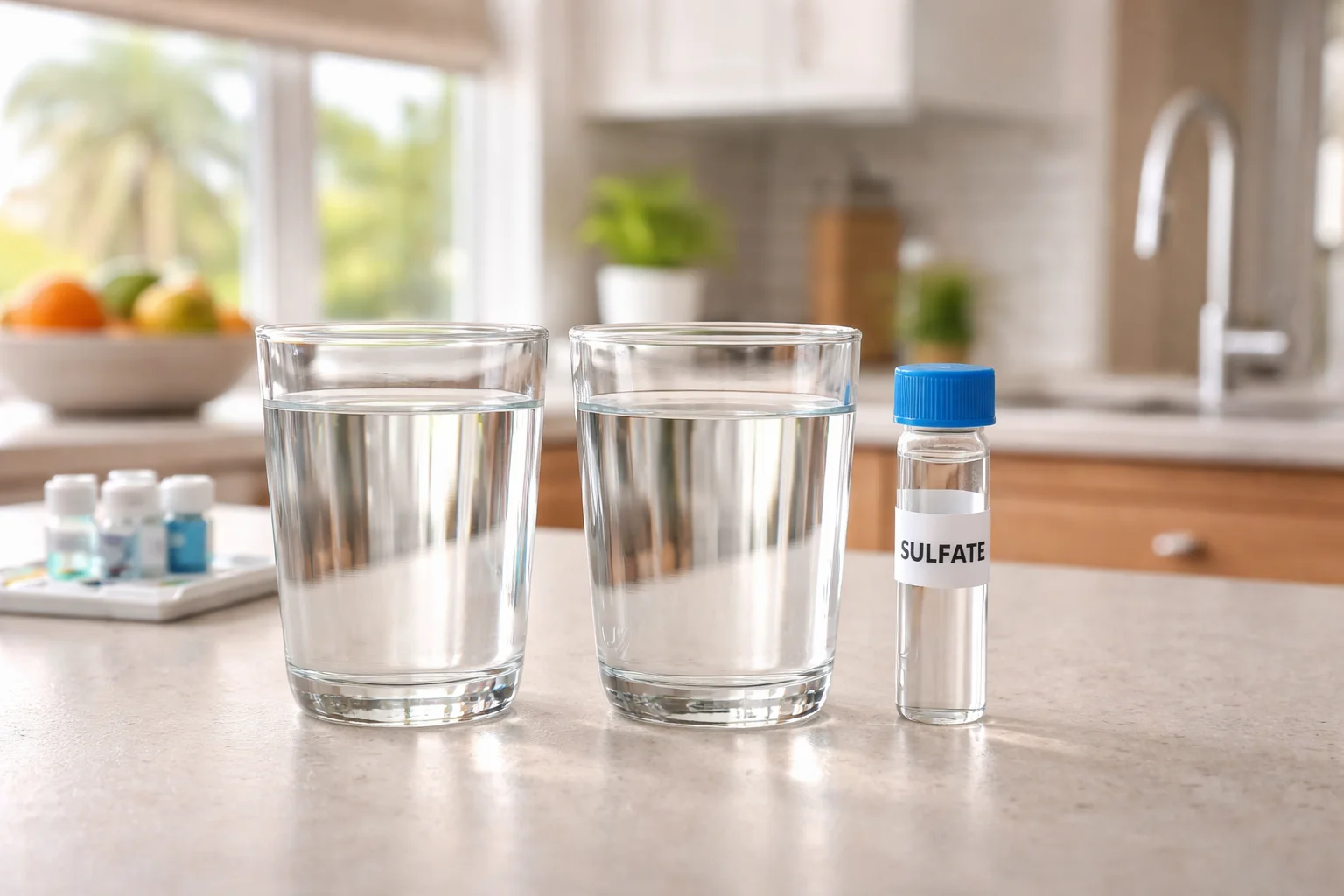
Sulfate is a dissolved mineral that can enter household supplies as water travels through soil and rock. Around Lake Monroe and the St. Johns River, homeowners may notice a bitter or medicinal flavor or that tap water simply isn’t as pleasant for drinking or cooking. Because sulfate stays dissolved, a basic sediment filter won’t remove it; a simple water test is the best way to see whether sulfate levels are elevated in your home’s supply.
Sulfates can also play a role in increased spotting and scale on fixtures depending on the rest of your water chemistry. Levels can shift with seasonal changes and storm activity common to our humid subtropical climate, so a single occurrence doesn’t always tell the whole story. If taste changes or digestive sensitivity concern your household, identify sulfate as a potential cause and choose a treatment that specifically addresses sulfates.
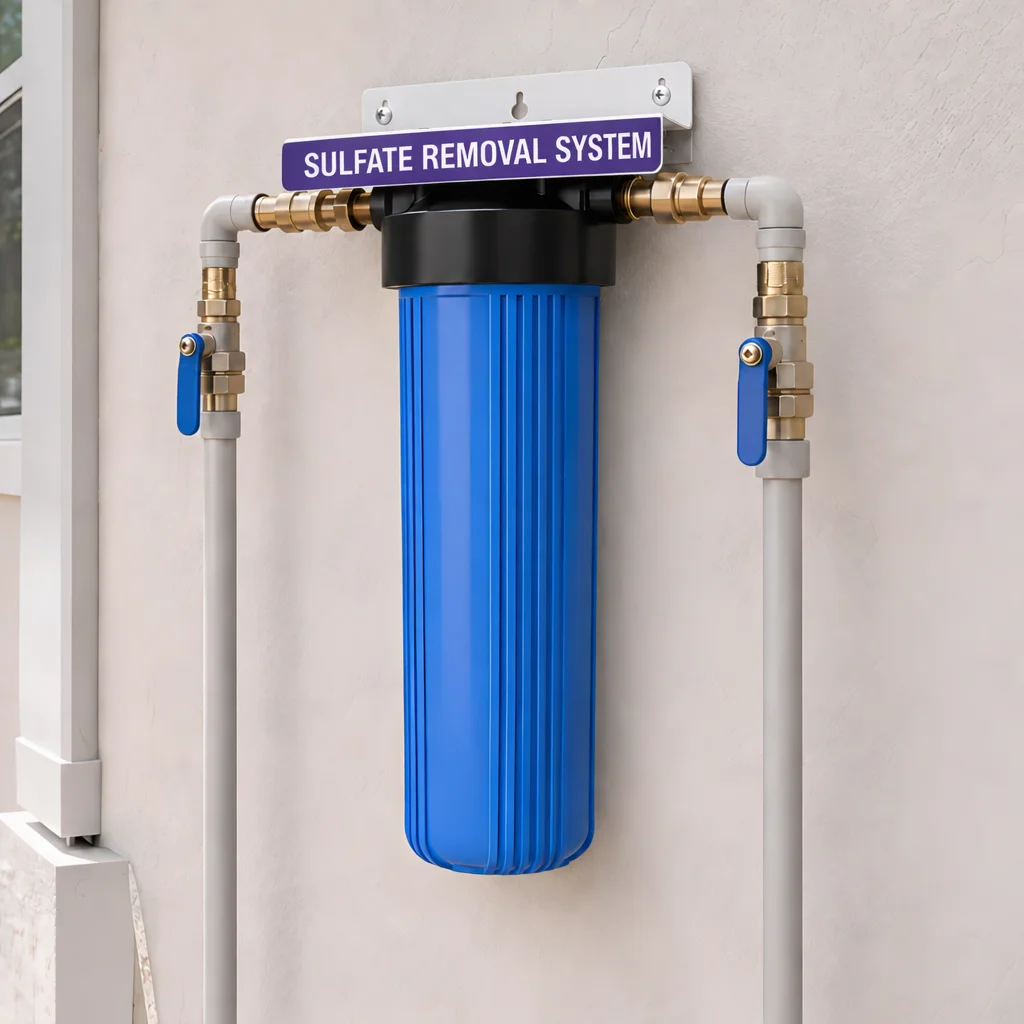
For whole-house sulfate reduction, the most effective single-filter option is usually a backwashing anion exchange system. These tanks contain anion resin that swaps sulfate ions out of your water, cutting the sulfate that reaches every tap. This is not the same as activated carbon, which targets chlorine and organic tastes, nor is it a standard softener that focuses on hardness minerals—anion exchange is designed specifically to reduce dissolved sulfate.
A backwashing anion exchange filter is sized to meet your home’s flow needs and regenerates periodically to renew the resin. Because other dissolved minerals can compete with sulfate—especially in moderately hard water like we see in parts of Seminole County—system selection should be based on a water test so it performs reliably. Properly configured, an anion exchange unit can deliver consistent sulfate and sulfates reduction for showers, appliances, and kitchen use; Mr. Pure Water can help match the right unit to your Lake Monroe water chemistry and household demand.
 407-214-2646
 info@bestwaterheater.com

