 Phone: 850-772-1365
 info@bestwaterheater.com
Phone: 850-772-1365
info@bestwaterheater.com
info@bestwaterheater.com
Phone: 850-772-1365
info@bestwaterheater.com
 Phone: 850-772-1365
info@bestwaterheater.com
Phone: 850-772-1365
info@bestwaterheater.com

Including filter system and high-performance Sulfate filter.


Sulfate is a mineral that dissolves into groundwater as it moves through soil and rock, so it can show up in well water and some treated supplies. Spring Creek homeowners sometimes notice it first as a bitter or medicinal taste, or water that doesn’t seem as pleasant for drinking or cooking. Because sulfate stays dissolved, a basic sediment filter won’t capture it. A simple water test is the reliable way to determine whether sulfate is present in your home’s water.
Sulfates can also play a role in more spotting or scale on fixtures depending on your overall water chemistry, and levels may change over time—especially in private well users around Spring Creek. A single off-taste or stomach sensitivity doesn’t always tell the whole story, so testing helps identify whether sulfate is a likely cause. Once you know your water’s makeup, you can pick a treatment that specifically targets sulfates.
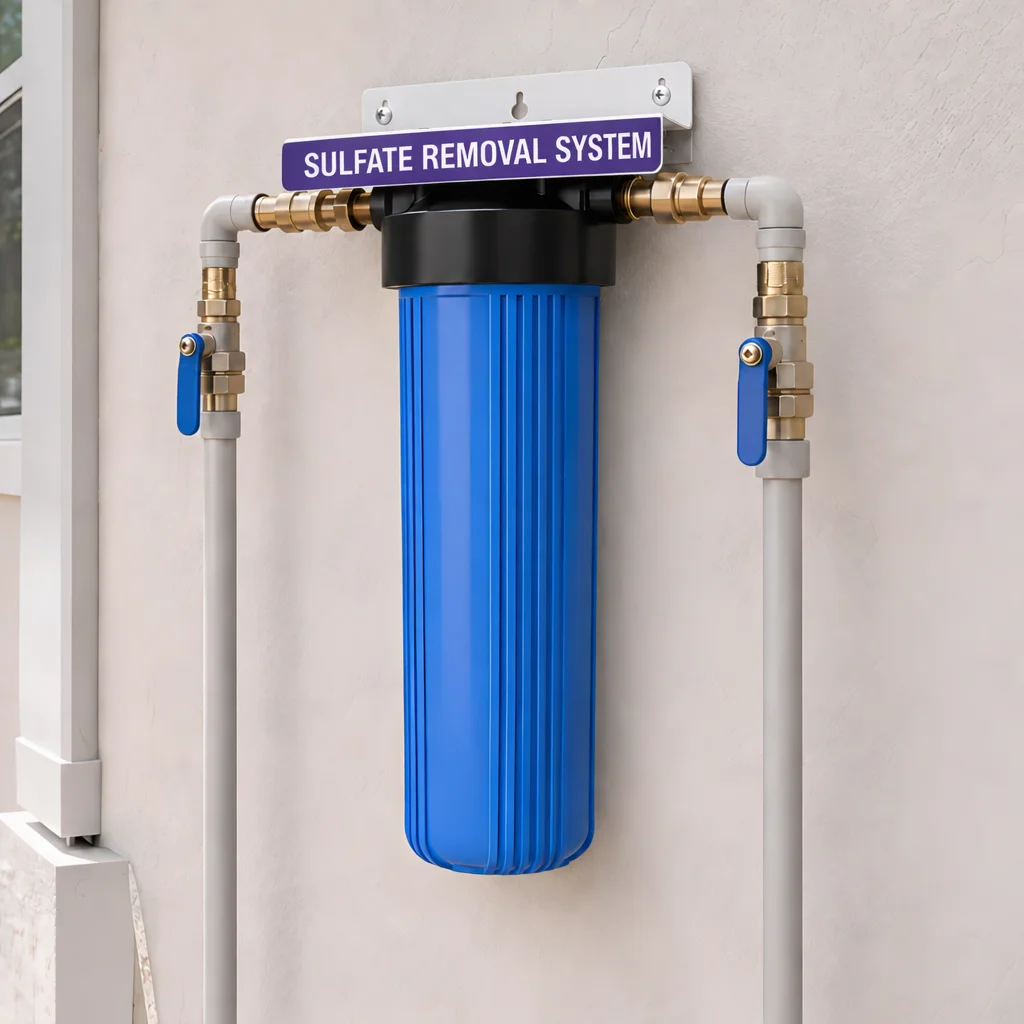
For whole-house reduction of sulfate, the most effective single-filter choice is usually a backwashing anion exchange system. These tanks contain anion resin that swaps sulfate ions out of the water, cutting the amount delivered to every tap. That approach is different from activated carbon, which targets chlorine and organic tastes, and from conventional water softeners that focus on hardness minerals; anion exchange is designed specifically to address dissolved sulfate.
A backwashing anion exchange unit is sized to your household flow and regenerates on a schedule so the media stays effective. Because other dissolved ions can compete with sulfate, the system should be configured from a Spring Creek water test so it performs correctly for your plumbing and appliances. When set up properly, anion exchange can deliver steady reduction of sulfate and sulfates to showers, dishwashers, and kitchen taps — and Mr. Pure Water can help select the right unit for your home’s water chemistry and usage.
 850-772-1365
 info@bestwaterheater.com

