 Phone: 954-208-3500
 info@bestwaterheater.com
Phone: 954-208-3500
info@bestwaterheater.com
info@bestwaterheater.com
Phone: 954-208-3500
info@bestwaterheater.com
 Phone: 954-208-3500
info@bestwaterheater.com
Phone: 954-208-3500
info@bestwaterheater.com

Including filter system and high-performance Sulfur Bacteria filter.



Sulfur bacteria are naturally occurring microbes that sometimes appear in household water and are known to cause that familiar rotten-egg smell; other names homeowners search for will also find this issue under sulfur bacteria. In Cooper City, residents may first notice the odor most strongly in hot water, along with cloudy water or a slippery feel on skin and plumbing. While sulfur bacteria themselves aren’t commonly tied to illness, when they grow heavily they make water unpleasant to use and can leave stains and mineral buildup on fixtures—a particular nuisance in South Florida’s hard-water conditions.
Often the smell blamed on sulfur comes from hydrogen sulfide gas and the conditions that let sulfur bacteria flourish. These organisms can consume sulfur compounds and form slimy layers inside pipes, toilets, and water heaters, trapping debris and even other nuisance microbes. In Cooper City homes you may notice the odor fades then returns or gets worse after water sits—those patterns commonly point to growth inside the plumbing or tanks rather than a single source.
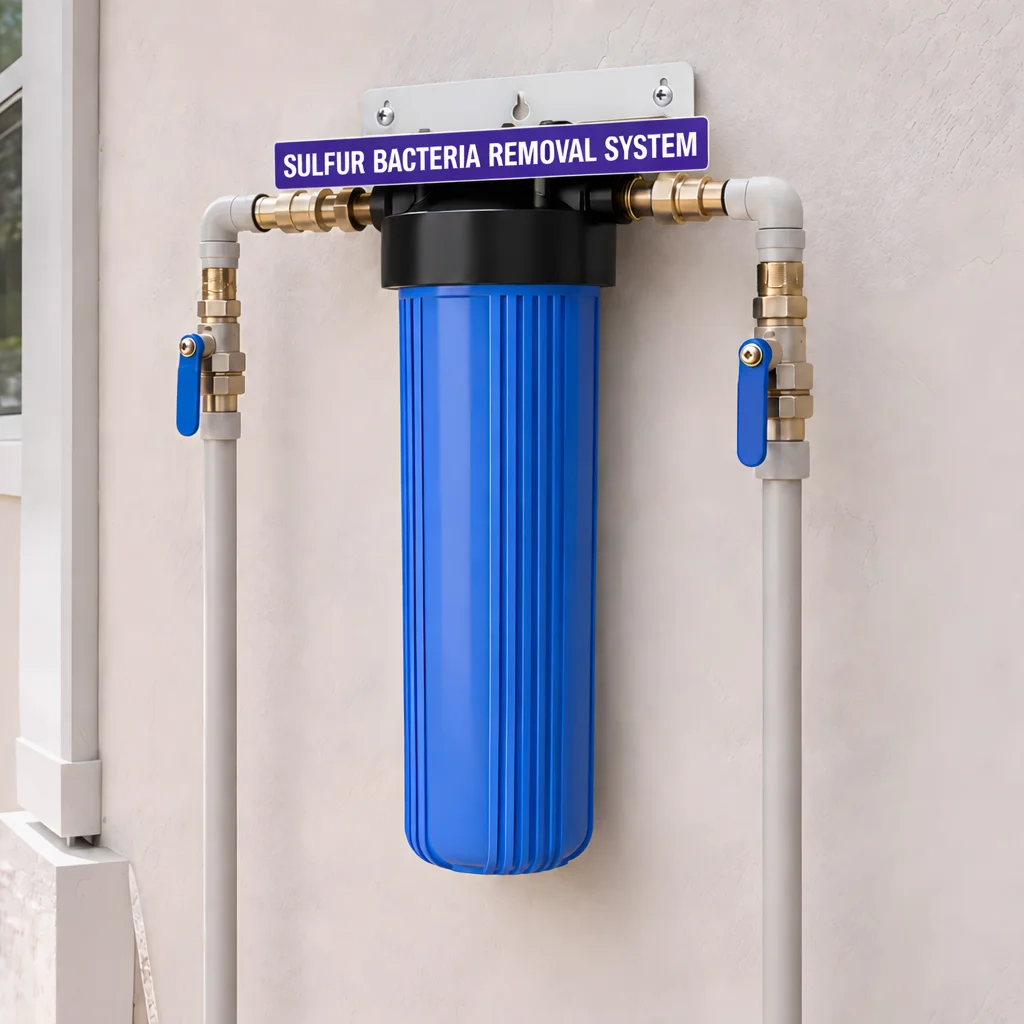
For a single whole-house solution that handles sulfur bacteria concerns well, a backwashing catalytic carbon system is a top option. Catalytic carbon is better at reducing hydrogen sulfide odor than ordinary carbon, helping address the smells tied to sulfur bacteria activity. The backwashing feature is important in Cooper City’s environment because it routinely flushes the media bed, removing trapped material and slowing clogging when nuisance growth and debris accumulate.
A whole-house catalytic carbon filter treats water at the point it enters your Cooper City home, so you’ll notice improvements at showers, sinks, laundry and outdoor spigots. These systems are often installed with pre-screening and, if active bacterial growth is present in well or plumbing, a disinfection step. Mr. Pure Water can help select the right tank size and flow rate to match your household use and the hard-water conditions common in Broward County, aiming for consistent odor control without constant maintenance.
 954-208-3500
 info@bestwaterheater.com

