 Phone: 850-772-1365
 info@bestwaterheater.com
Phone: 850-772-1365
info@bestwaterheater.com
info@bestwaterheater.com
Phone: 850-772-1365
info@bestwaterheater.com
 Phone: 850-772-1365
info@bestwaterheater.com
Phone: 850-772-1365
info@bestwaterheater.com

Including filter system and high-performance Sulfur Bacteria filter.



Sulfur bacteria are naturally occurring microscopic organisms that can show up in household water, especially in private well systems and occasionally in other sources. Sink Creek homeowners typically spot them first by a rotten-egg smell, often stronger in hot water, and may notice slimy or cloudy water and a slick feel. While sulfur bacteria aren’t commonly tied to illness, heavy growth can make water unpleasant to use, cause staining, and lead to mineral or biological buildup in plumbing fixtures over time — signs that your system should be evaluated.
The familiar sulfur odor many people detect is frequently due to hydrogen sulfide gas and the conditions that let sulfur bacteria thrive. These microbes can consume sulfur compounds and form slimy layers inside pipes, water heaters, and toilets, which can trap other nuisance organisms and make cleaning seem ineffective. If the smell in your Sink Creek home comes and goes or gets stronger after water sits, that pattern often points to growth occurring inside the plumbing rather than only at the source.
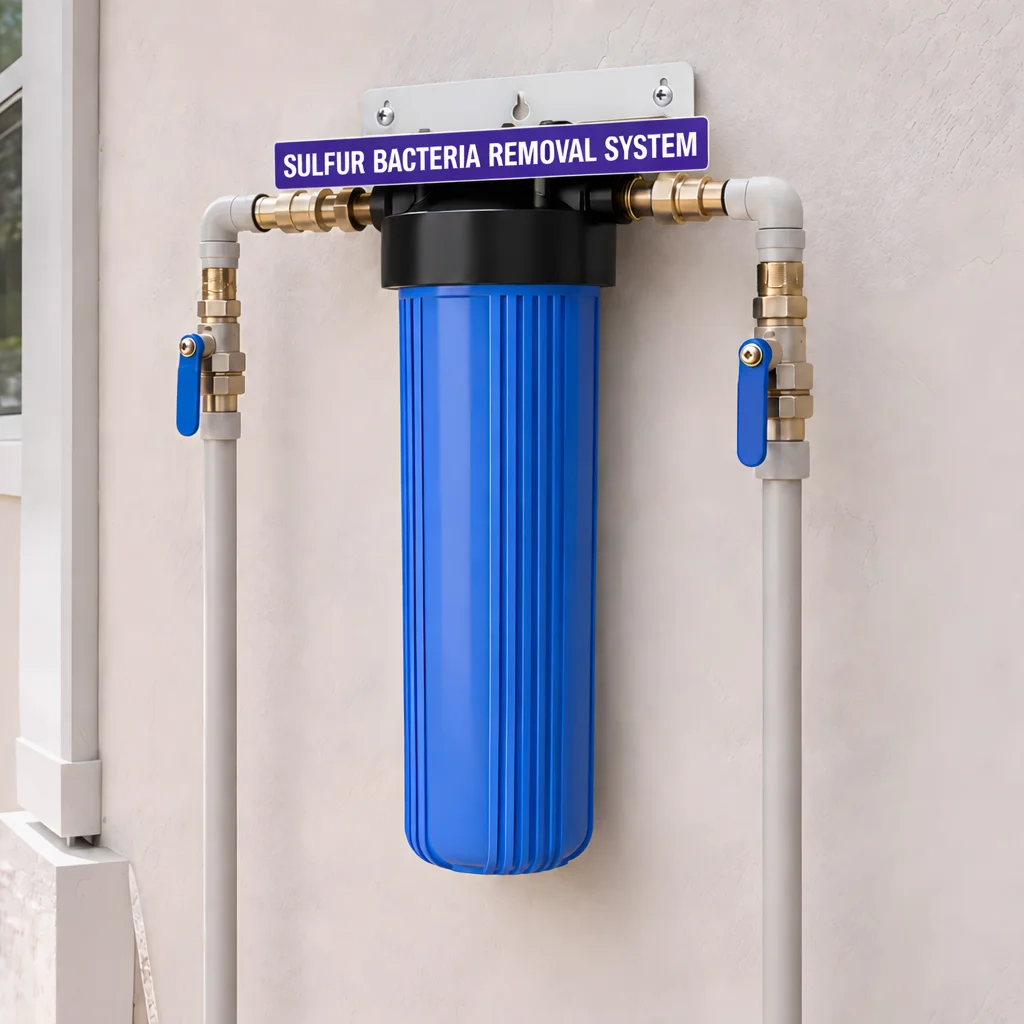
For homeowners looking for a single whole-house solution in Sink Creek, a backwashing catalytic carbon system is a proven option for sulfur bacteria-related odor problems. Catalytic carbon is more effective at reducing hydrogen sulfide odor than standard activated carbon, addressing the smell commonly associated with sulfur bacteria activity. The backwash cycle is important because it periodically cleans and flushes the media bed, helping prevent rapid clogging when biological growth and debris are present.
Installed where water enters your Sink Creek home, a whole-house catalytic carbon filter improves showers, faucets, laundry, and outdoor taps by treating water for hydrogen sulfide and related odors. These systems are often combined with proper prefiltration and, if there’s active bacterial growth in the well or plumbing, an appropriate disinfection step. Mr. Pure Water can help size the tank and set the flow rate so odor control keeps pace with your household demand, aiming for consistently cleaner-smelling water without constant maintenance.
 850-772-1365
 info@bestwaterheater.com

