 Phone: 407-214-2646
 info@bestwaterheater.com
Phone: 407-214-2646
info@bestwaterheater.com
info@bestwaterheater.com
Phone: 407-214-2646
info@bestwaterheater.com
 Phone: 407-214-2646
info@bestwaterheater.com
Phone: 407-214-2646
info@bestwaterheater.com

Including filter system and high-performance Sulfur Bacteria filter.



Sulfur bacteria are naturally occurring microbes that sometimes turn up in private wells and other sources, and Sky Lake homeowners may recognize them by a rotten-egg smell—often stronger in hot water—along with slick or cloudy water. They’re not commonly tied to illness, but when they grow heavily the water becomes unpleasant to use and can lead to staining and mineral buildup on fixtures and appliances, which is a familiar concern in Orange County’s hard-water conditions.
What people call a sulfur odor is frequently caused by hydrogen sulfide gas and the conditions that let sulfur bacteria thrive. These organisms can feed on sulfur compounds and form slimy layers inside pipes, water heaters, and toilets, trapping debris and other nuisance microbes that make cleaning a recurring chore. In Sky Lake and nearby neighborhoods, if the smell comes and goes or grows worse after water sits unused, it often points to bacterial growth developing inside the plumbing system rather than a one-time contamination.
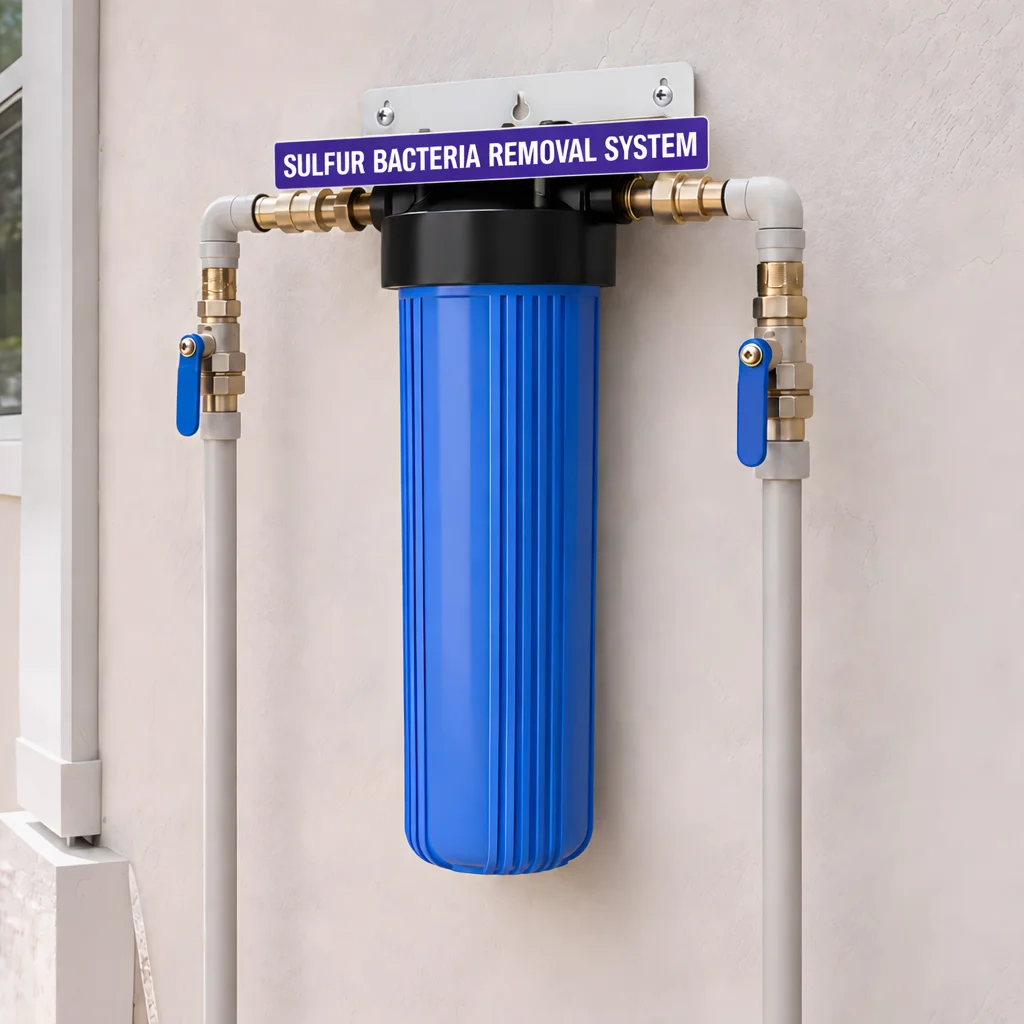
The single whole-house solution most effective for sulfur bacteria issues is a backwashing catalytic carbon system. Catalytic carbon is better at reducing hydrogen sulfide odor than ordinary carbon, which helps address the rotten-egg smell tied to sulfur bacteria activity. The backwashing feature periodically flushes the media bed, removing trapped material so the filter resists clogging when slime, debris, or nuisance growth are present.
Installed at the point where water enters your Sky Lake home, a catalytic carbon whole-house filter improves showers, sinks, laundry and outdoor spigots and works well alongside proper pre-screening and, when required, a disinfection step to tackle active growth in wells or plumbing. Mr. Pure Water will size the tank and set the flow rate to match daily use so odor control stays reliable without constant maintenance—helping your water smell fresh around the house even with Central Florida’s hard water and seasonal cold snaps.
 407-214-2646
 info@bestwaterheater.com

