 Phone: 850-772-1365
 info@bestwaterheater.com
Phone: 850-772-1365
info@bestwaterheater.com
info@bestwaterheater.com
Phone: 850-772-1365
info@bestwaterheater.com
 Phone: 850-772-1365
info@bestwaterheater.com
Phone: 850-772-1365
info@bestwaterheater.com

Including filter system and high-performance Tetracycline filter.



Tetracycline is a commonly used antibiotic that can enter water supplies as trace amounts when it moves through the environment. In Lowry, homeowners typically won’t notice a change in taste or smell, but the presence of pharmaceutical compounds is a long-term water-quality concern many residents prefer to manage. Even clear water can contain low levels of medications you might not want for drinking, cooking, or bathing, so understanding how tetracycline behaves helps you take steps to reduce it in your home.
Unlike minerals that cause hard water or scale, tetracycline is an organic compound and doesn’t usually cause discoloration or odors, which makes it easy to miss without specific testing. Lowry homeowners often explore filtration after reviewing a water report or hearing about pharmaceuticals in water and want a more comprehensive solution. A whole-house system treats every outlet — drinking taps, showers, and laundry — giving broader protection than a single faucet filter.
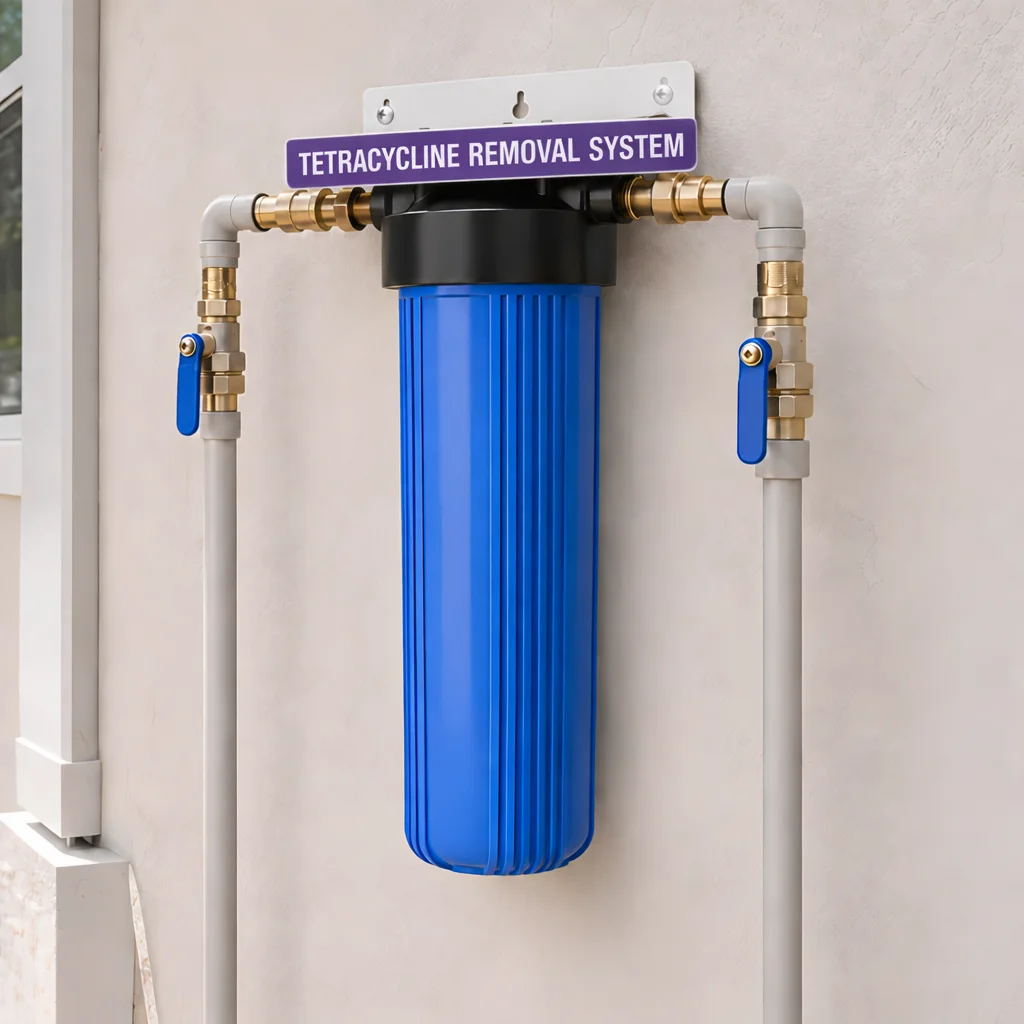
The most effective single-filter choice for tetracycline in residential settings is a whole-house activated carbon filter. Activated carbon removes many organic contaminants, including pharmaceutical-type compounds, by adsorbing them as water flows through the media. When a carbon tank is sized appropriately for your home’s flow needs in Lowry, it can provide continuous treatment throughout the house without changing how you use your plumbing.
Performance varies between carbon systems, so the type of carbon, contact time, and system layout matter. For reducing tetracycline, catalytic or high-capacity granular activated carbon (GAC) tanks are typically preferred over small inline cartridges because they offer greater media volume and longer contact time. Proper prefiltration helps prevent the carbon bed from clogging and preserves steady flow. Mr. Pure Water can assess Lowry homes and recommend a whole-house GAC system matched to your water and household demand so tetracycline is reduced where it counts — at every tap.
 850-772-1365
 info@bestwaterheater.com

