 Phone: 561-300-5075
 info@bestwaterheater.com
Phone: 561-300-5075
info@bestwaterheater.com
info@bestwaterheater.com
Phone: 561-300-5075
info@bestwaterheater.com
 Phone: 561-300-5075
info@bestwaterheater.com
Phone: 561-300-5075
info@bestwaterheater.com

Including filter system and high-performance Thallium filter.


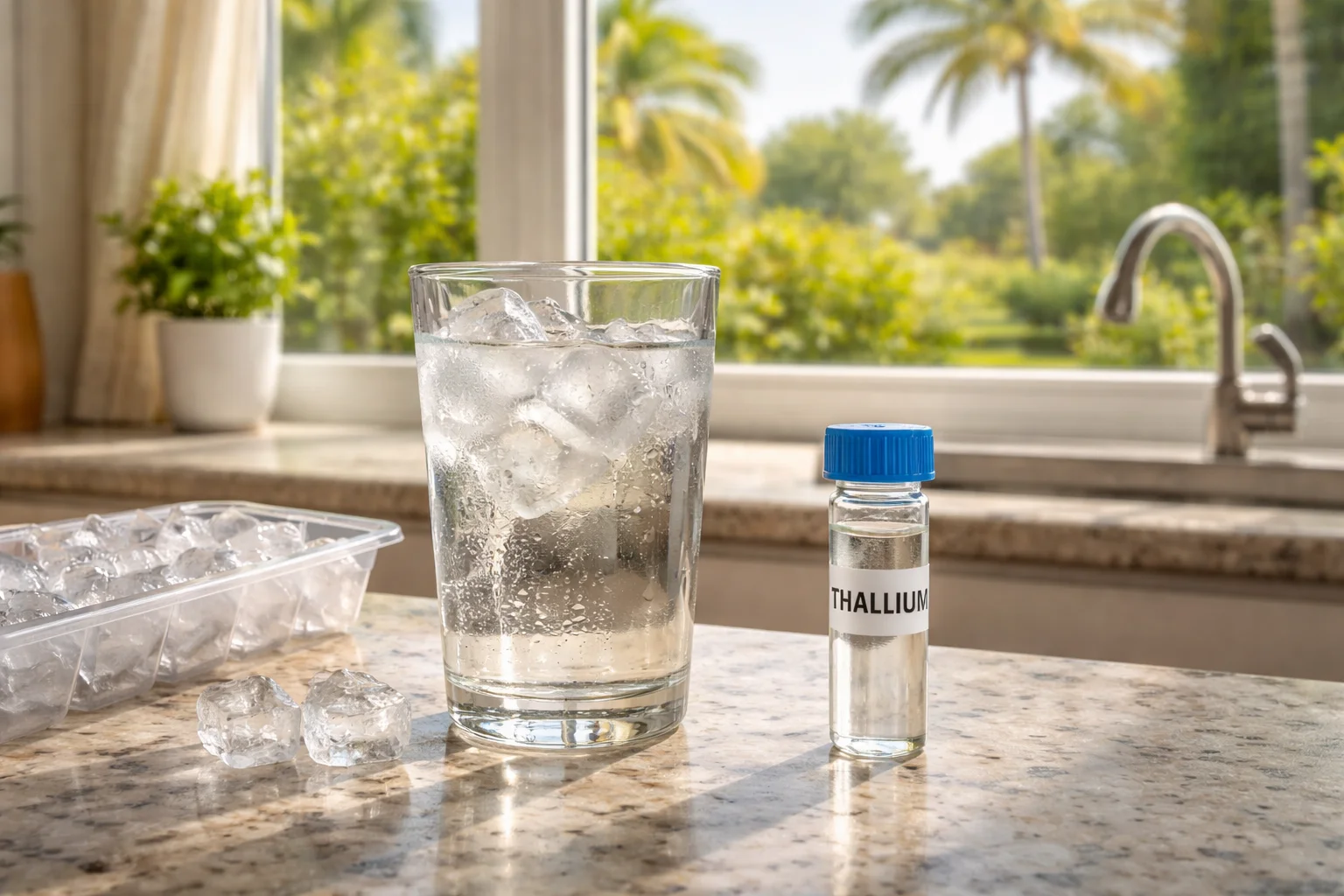
Thallium is a naturally occurring metal that can show up in drinking water at very low levels, but it becomes a concern when levels rise. It typically enters water supplies through industrial sources, mining activity, or leaching from certain rocks and soils. Because you usually cannot see, smell, or taste thallium in water, it often goes unnoticed without a water test. For homeowners, the goal is simple: identify the source and reduce exposure at the tap.
If a lab report flags elevated thallium, it is worth taking action even if your water seems normal. Metals like thallium don’t behave like chlorine or sediment, and they aren’t reliably addressed by basic taste-and-odor pitchers. A whole-house approach can be helpful when you want consistent treatment for every faucet, shower, and appliance. Mr. Pure Water can help you interpret results and match the right treatment method to your home’s needs.
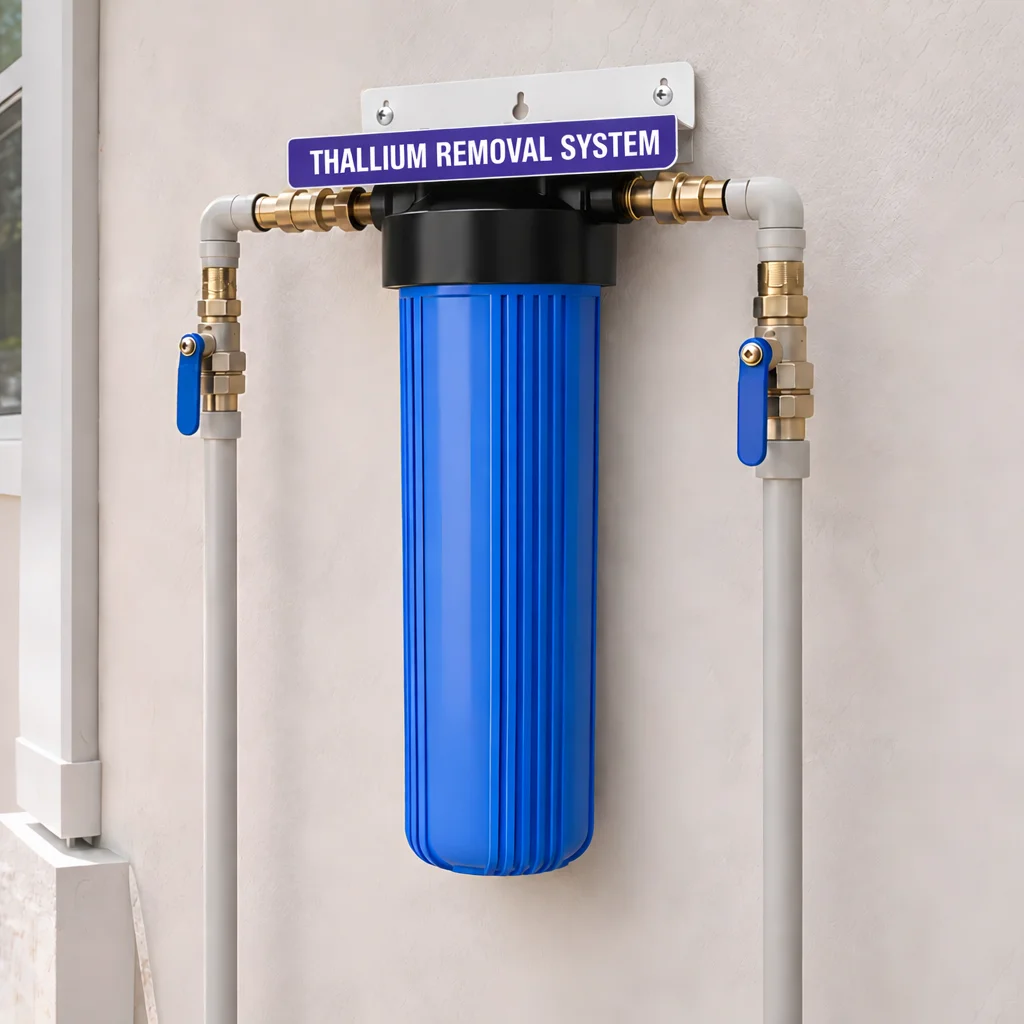
For thallium reduction, reverse osmosis is typically the single most effective filtration technology used in residential treatment. An RO membrane is designed to reject many dissolved metals and other inorganic contaminants that pass through simpler carbon-only filters. In a whole-house setup, RO is usually implemented as a dedicated system with appropriate prefiltration to protect the membrane and improve performance. This approach targets thallium at the point where it matters most: the water you use every day.
A properly designed RO system relies on staged filtration, but the RO membrane is the key component doing the heavy lifting for thallium. Prefilters can remove sediment and reduce chlorine to help prevent membrane damage, while the membrane works to reduce dissolved metal content. Because every water source is different, sizing and configuration should be based on your water chemistry and household demand. Mr. Pure Water can recommend an RO-based solution that fits your home and supports reliable thallium reduction.
 561-300-5075
 info@bestwaterheater.com

