 Phone: 305-404-8790
 info@bestwaterheater.com
Phone: 305-404-8790
info@bestwaterheater.com
info@bestwaterheater.com
Phone: 305-404-8790
info@bestwaterheater.com
 Phone: 305-404-8790
info@bestwaterheater.com
Phone: 305-404-8790
info@bestwaterheater.com

Including filter system and high-performance Total Dissolved Solids (TDS) filter.



Total dissolved solids — often called TDS, dissolved salts, or dissolved solids — refers to the mix of minerals, salts and small metals that are dissolved in your household water. These dissolved materials can originate from natural sources like rock and soil, or enter through treatment and distribution systems. When TDS is high you might notice a slightly salty, metallic or bitter taste and more spotting on faucets, glass and dishes. Because TDS is a measurement of many different constituents rather than a single contaminant, the best solution depends on which specific dissolved ions are present in your water.
High TDS typically reflects dissolved salts such as sodium, calcium, magnesium, chloride and sulfate along with other small ions. While some are harmless minerals, elevated dissolved solids can make water less pleasant to drink and can be tough on water-using appliances — especially those that heat or evaporate water — causing faster scale buildup, film on shower doors and reduced soap lather. In Marathon homes, where moderate water hardness and coastal salt air can affect plumbing, testing your water will show overall TDS and whether dissolved salts are driving the issue.
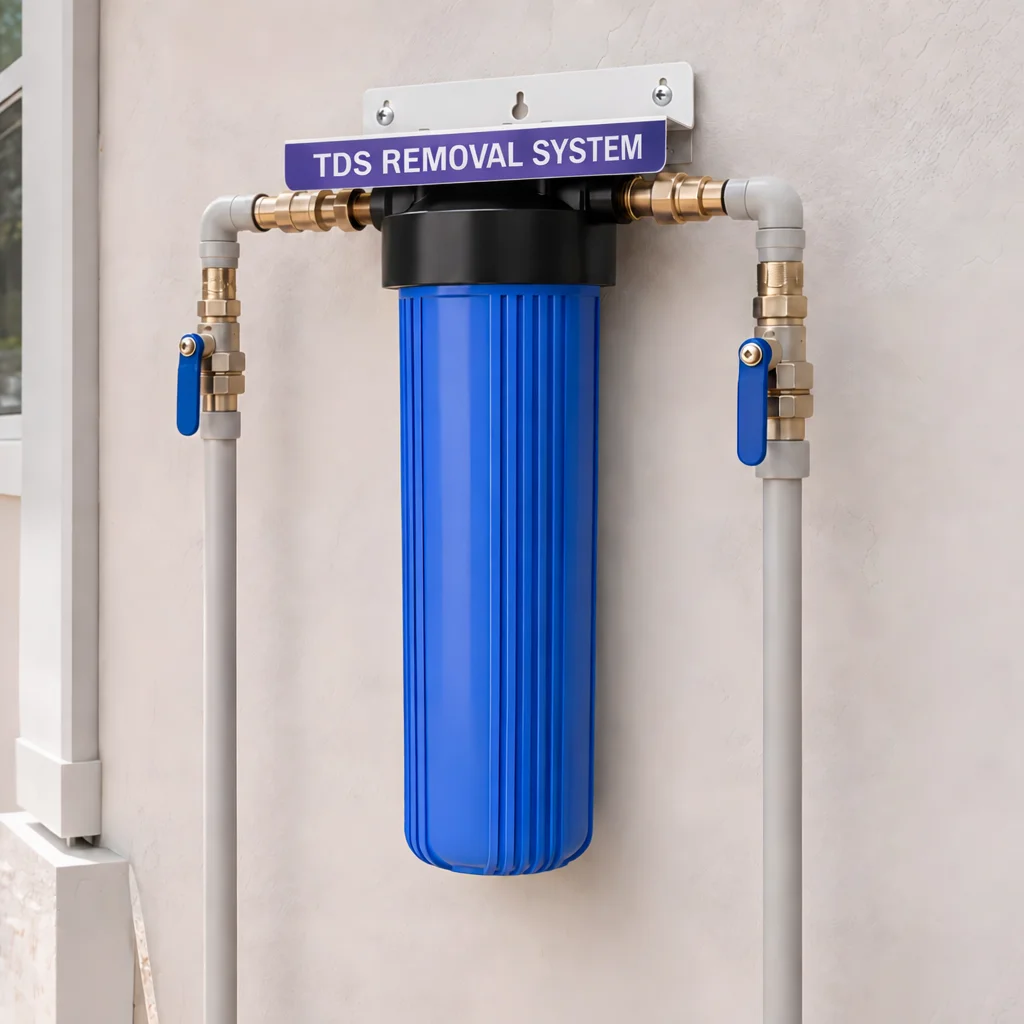
To actually remove dissolved salts and lower total dissolved solids, the most effective single-filter technology is reverse osmosis (RO). Unlike typical carbon filters that mainly improve taste and reduce certain organic contaminants, RO uses a semi-permeable membrane to reject the dissolved ions responsible for high TDS. That makes RO well suited for addressing dissolved solids from a range of sources — whether your water comes from a municipal supply or a private well or cistern common in the Florida Keys — and it’s the go-to option when homeowners want a filter specifically targeting TDS.
A whole-house reverse osmosis system installed at the point of entry treats every tap, shower and appliance so you notice the reduction in TDS throughout your Marathon property. Because RO membranes are sensitive to sediment and chlorine, these systems are usually paired with prefiltration to protect performance and extend membrane life — a helpful approach in coastal, hurricane-prone areas where corrosion and debris can be factors. The result is water that tastes cleaner, leaves less residue as it dries, and performs more consistently; Mr. Pure Water can test your water and recommend whether whole-house RO fits your plumbing and household needs.
 305-404-8790
 info@bestwaterheater.com

