 Phone: 561-300-5075
 info@bestwaterheater.com
Phone: 561-300-5075
info@bestwaterheater.com
info@bestwaterheater.com
Phone: 561-300-5075
info@bestwaterheater.com
 Phone: 561-300-5075
info@bestwaterheater.com
Phone: 561-300-5075
info@bestwaterheater.com

Including filter system and high-performance Toxaphene filter.


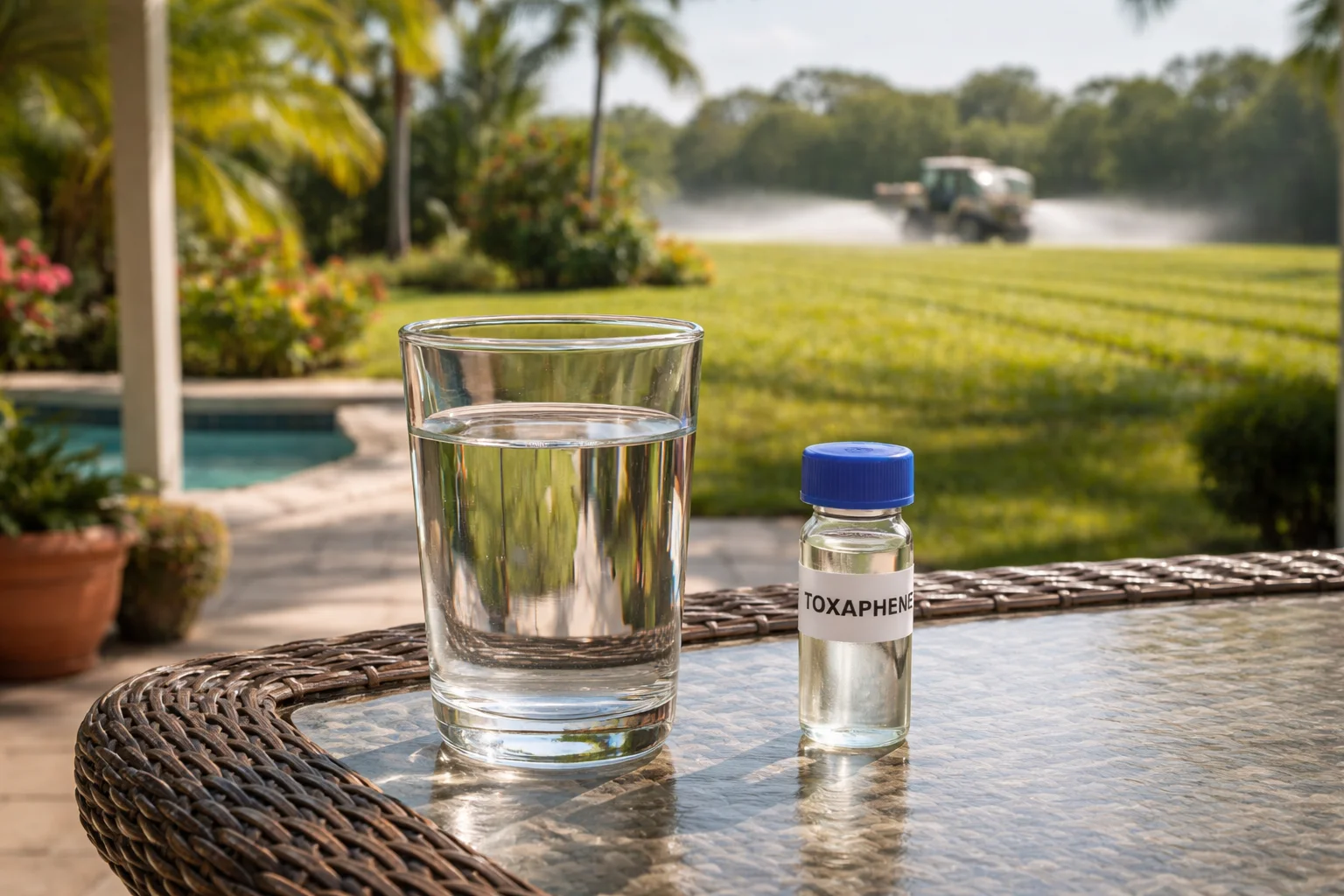
Toxaphene is a synthetic pesticide that can persist in soils and waterways long after it was used. Because it degrades slowly and can move with sediment and organic matter, small amounts may reach some drinking water sources without noticeable taste or smell — so testing is the only reliable way to know. If your Jupiter home’s water report flags toxaphene, putting a plan in place can help you regain confidence in the water you drink, cook with, and bathe in.
Runoff, disturbed soils, and sediment transport are common ways legacy agricultural chemicals enter surface water and connected supplies. Toxaphene often adsorbs to organic particles rather than remaining dissolved, so it can travel during shifts in flow or treatment and still be present when water looks clear. Treating water at the point it enters your Jupiter residence — before it reaches showers, appliances, and faucets — helps ensure more consistent quality throughout your home.
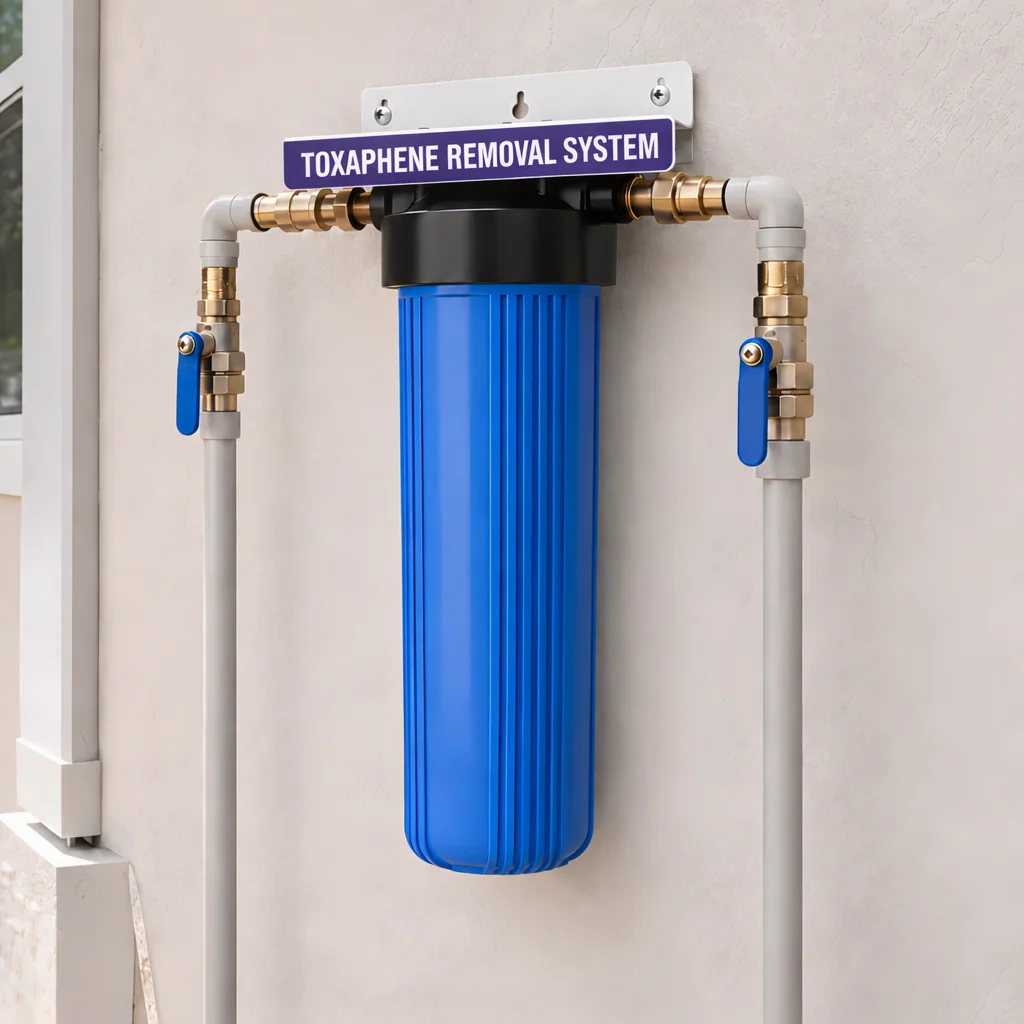
For toxaphene, the top single-option whole-house solution is a properly sized activated carbon system. Activated carbon is effective at adsorbing many hydrophobic organic pesticides because contaminants cling to the carbon surface. In a tank designed for your household flow, the media provides adequate contact time so treated water is available at every tap without needing multiple under-sink units.
System performance hinges on the carbon type, media volume, and flow rate, so pick a filter sized for your family’s water use and any lab results you have. Granular activated carbon (GAC) is frequently used for whole-house setups, while catalytic carbon may be preferred for broader chemical reduction. Regular media changes prevent capacity loss over time. Mr. Pure Water can assess your Jupiter home — whether in Abacoa, Jupiter Farms, or along the coast — and recommend the right whole-house activated carbon configuration to address toxaphene while keeping strong, consistent flow.
 561-300-5075
 info@bestwaterheater.com

