 Phone: 850-772-1365
 info@bestwaterheater.com
Phone: 850-772-1365
info@bestwaterheater.com
info@bestwaterheater.com
Phone: 850-772-1365
info@bestwaterheater.com
 Phone: 850-772-1365
info@bestwaterheater.com
Phone: 850-772-1365
info@bestwaterheater.com

Including filter system and high-performance trans-1,2-Dichloroethylene filter.


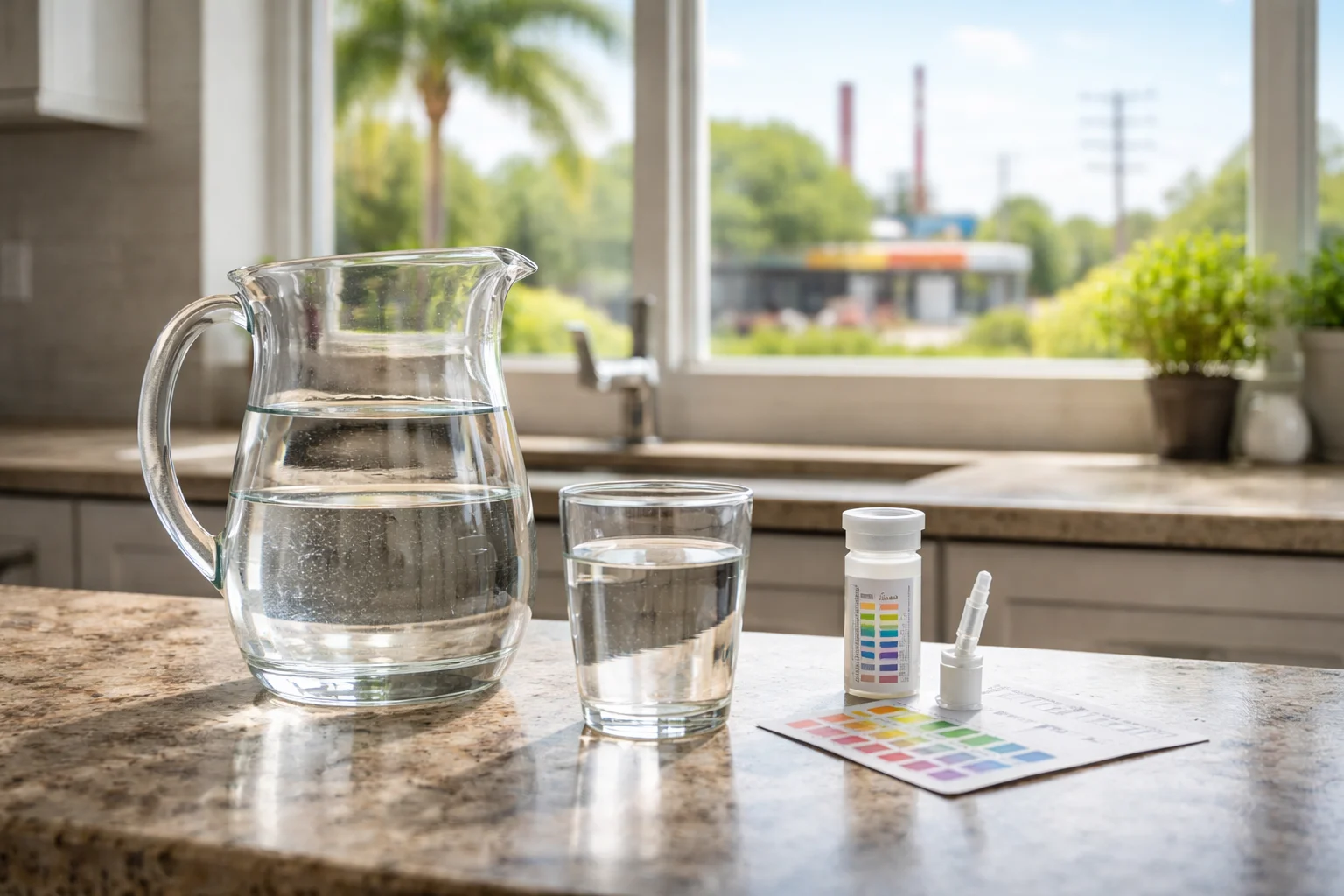
Trans-1,2-dichloroethylene is a volatile organic compound (VOC) that can enter drinking water when industrial solvents or degreasing agents reach groundwater. Because it evaporates readily, you might notice a chemical-like smell when running water—especially during showers or while filling sinks. Even without a detectable odor, many homeowners in Monticello choose to address VOCs at low levels. Treating water at the whole-house level reduces exposure from every tap throughout your daily routines.
Most Monticello homeowners discover trans-1,2-dichloroethylene from a lab test or a utility consumer confidence report rather than by sight or taste. This contaminant dissolves into the water and won’t be removed by basic sediment screens or standard cartridge filters designed for dirt and rust. It can also off-gas from hot water into indoor air during showers, so treating only one faucet may leave other uses unprotected. A main-line, whole-house system gives more uniform coverage for drinking, cooking, bathing, and laundry across your Florida home.
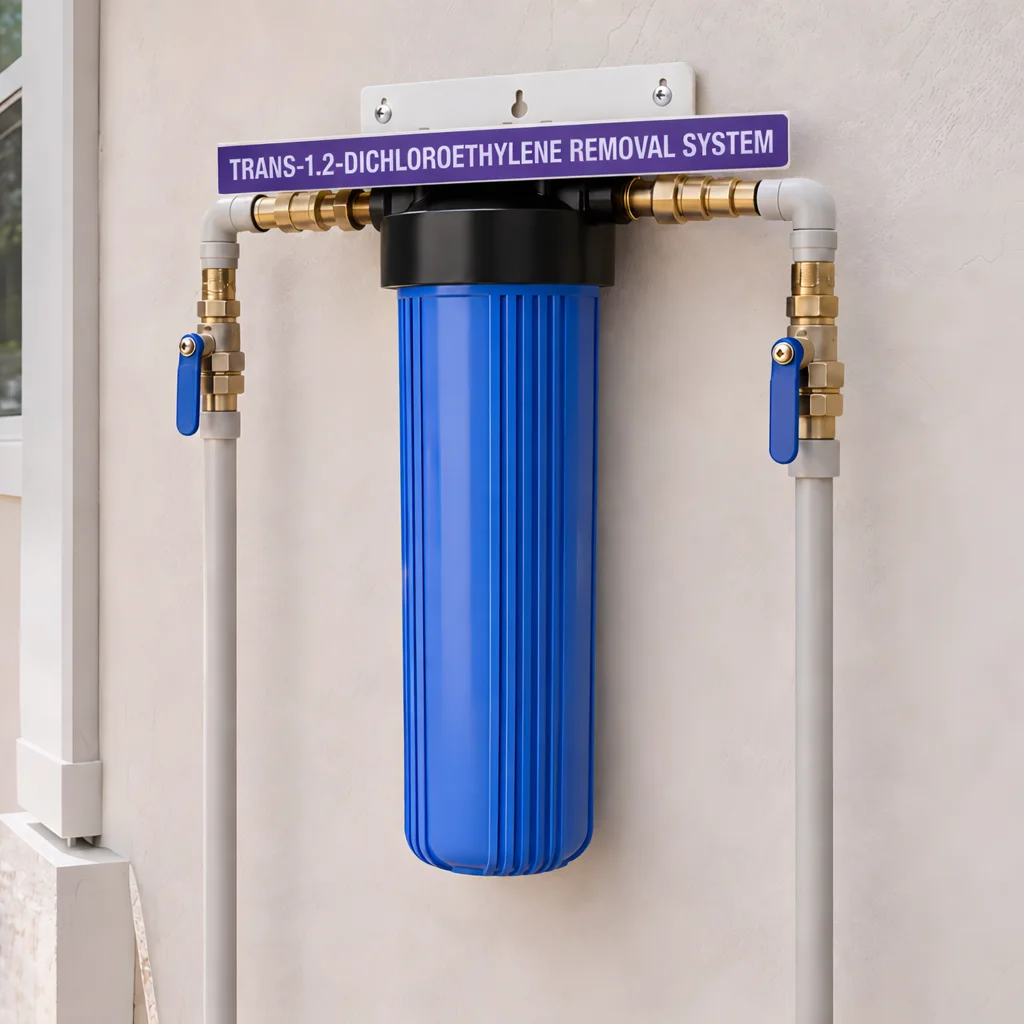
The most effective single-filter choice for whole-house removal of trans-1,2-dichloroethylene is a high-quality activated carbon system, typically using granular activated carbon (GAC) with adequate contact time. Activated carbon adsorbs many VOCs as water flows through the media, which is why it’s a standard approach for solvent-related contaminants. When sized properly, a whole-house carbon tank supplies treated water to every tap in a Monticello home—not just the kitchen sink—helping cut VOC exposure during showers and other high-use activities.
Performance of a whole-house carbon filter depends on correct design: flow rate, carbon volume, and contact time matter. Bigger carbon beds and slower flow generally improve VOC removal, while undersized systems can allow earlier breakthrough as household demand rises. Mr. Pure Water in Monticello will match the right carbon configuration to your plumbing and peak usage so the system keeps pace. With routine maintenance and timely media replacement, a whole-house activated carbon filter delivers dependable, home-wide reduction of trans-1,2-dichloroethylene.
 850-772-1365
 info@bestwaterheater.com

