 Phone: 954-208-3500
 info@bestwaterheater.com
Phone: 954-208-3500
info@bestwaterheater.com
info@bestwaterheater.com
Phone: 954-208-3500
info@bestwaterheater.com
 Phone: 954-208-3500
info@bestwaterheater.com
Phone: 954-208-3500
info@bestwaterheater.com

Including filter system and high-performance Trichloroethylene filter.


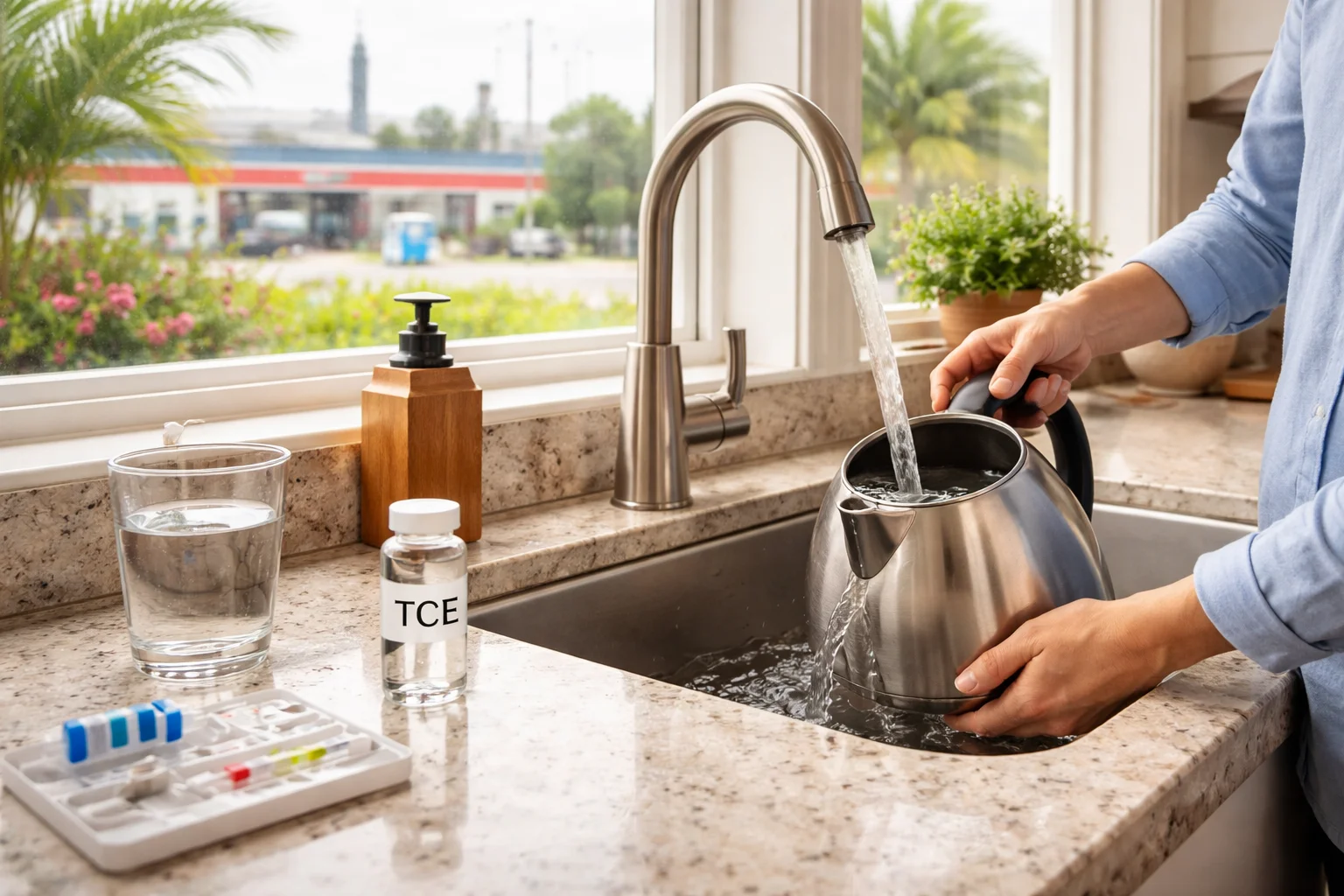
Trichloroethylene, often called TCE, is a synthetic solvent used in industrial cleaning that can migrate into groundwater when released to the environment. It can linger in water supplies for long periods and usually has little or no taste or smell at low concentrations, so you wouldn’t detect it by sight or flavor. The only reliable way to know whether your Coconut Creek water contains trichloroethylene is to have it tested professionally.
If testing shows trichloroethylene in your household supply, many Coconut Creek homeowners prefer treating the water where it enters the house so every tap is covered — showers, bathroom sinks, the kitchen, and appliances like ice makers. TCE is primarily a long-term exposure concern rather than an immediately noticeable nuisance, so a whole-house solution gives broad protection for daily uses like bathing, cooking, and brushing teeth throughout your Broward County home.
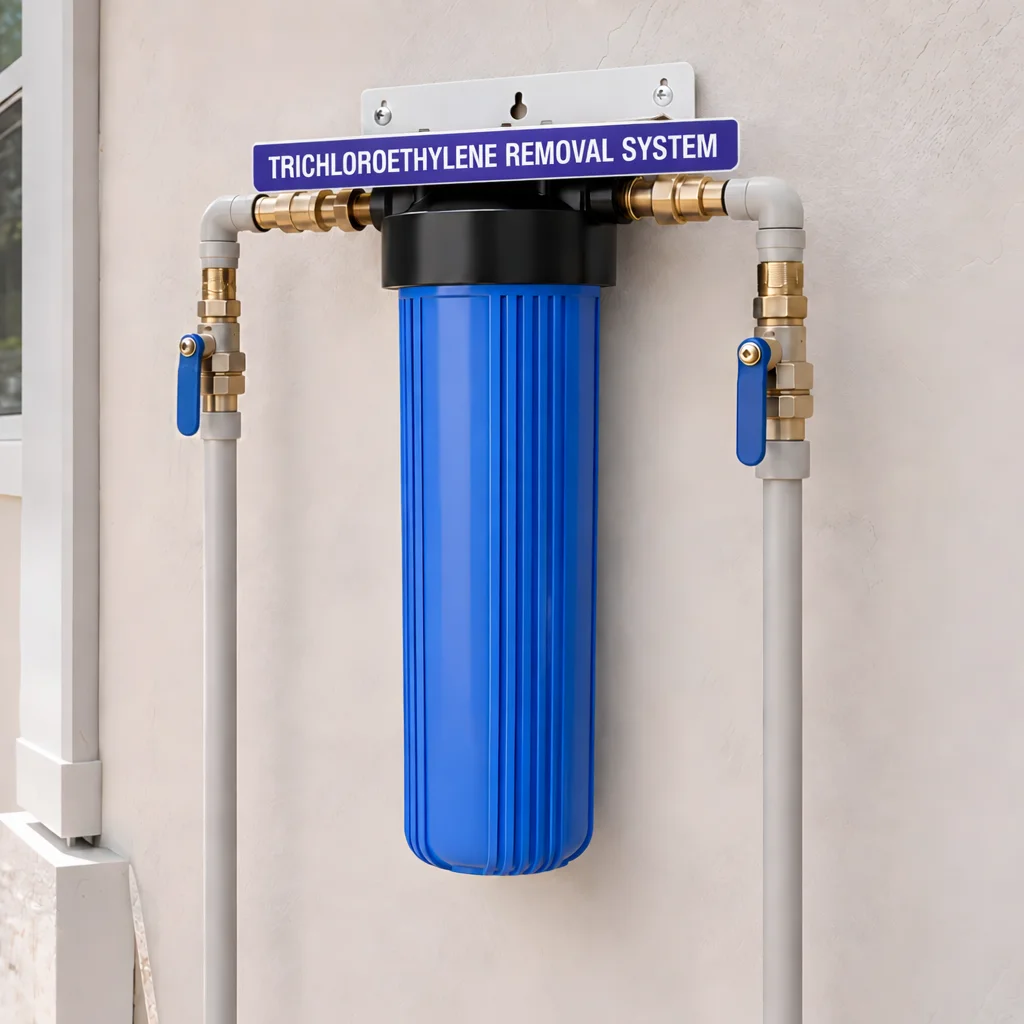
To reduce trichloroethylene at the main water line, a whole-house granular activated carbon (GAC) filter is generally the single most effective filter choice. GAC removes many volatile organic compounds, including TCE, by adsorbing them as water moves through a deep bed of carbon. Because removal depends on contact time, the system needs properly sized carbon media and flow design to be effective, and a whole-house GAC treats water for every faucet and shower in your Coconut Creek residence.
A correctly sized GAC whole-house system should match your household’s daily water use so the carbon has sufficient contact time with the water. Carbon media eventually becomes spent, so replacement intervals should be determined by usage and verified with follow-up testing when practical. In Coconut Creek, where water is typically hard and sediment can contribute to clogging, many homes add pre-filtration to protect the carbon bed from channeling; Mr. Pure Water can help design a whole-house carbon setup suited to your home and water conditions.
 954-208-3500
 info@bestwaterheater.com

