 Phone: 850-772-1365
 info@bestwaterheater.com
Phone: 850-772-1365
info@bestwaterheater.com
info@bestwaterheater.com
Phone: 850-772-1365
info@bestwaterheater.com
 Phone: 850-772-1365
info@bestwaterheater.com
Phone: 850-772-1365
info@bestwaterheater.com

Including filter system and high-performance Trichloroethylene filter.


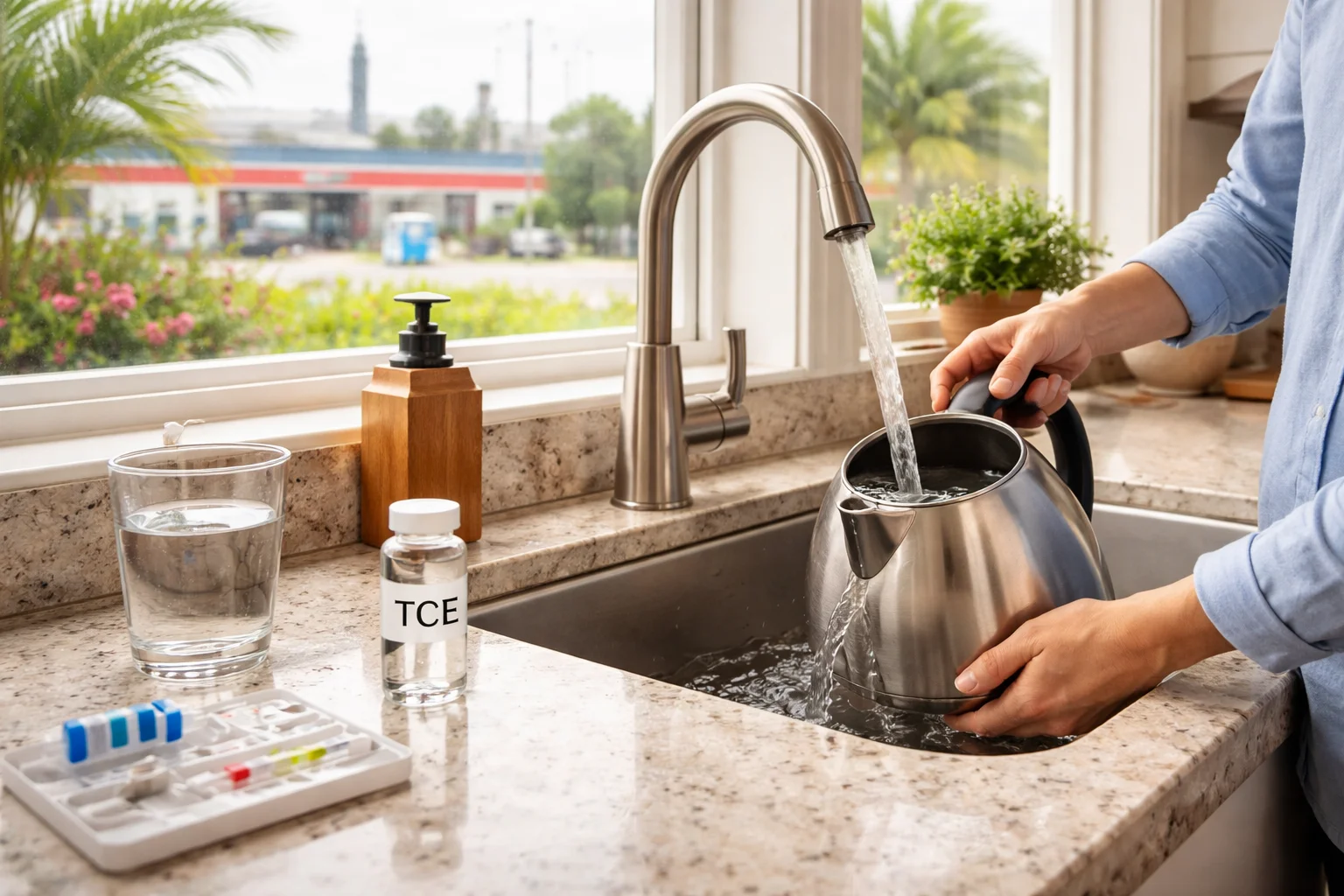
Trichloroethylene, also known as TCE, is a synthetic solvent that can enter drinking water when it’s released into the environment and migrates through soil to groundwater. Commonly used in industrial degreasing and similar processes, TCE can persist once it reaches water sources. Because it often has no noticeable taste or smell at low concentrations, Craggs homeowners wouldn’t necessarily detect it without laboratory testing—testing is the only reliable way to know what’s in your water.
If testing shows trichloroethylene in your supply, many people in Craggs prefer a system that protects every tap instead of treating only the kitchen sink. Whole-house treatment covers showers, baths, brushing teeth, cooking and ice makers, which matters because TCE’s risks come from repeated exposure rather than immediately obvious signs. Choosing a whole-home solution gives you control over water quality throughout your house after you identify the issue.
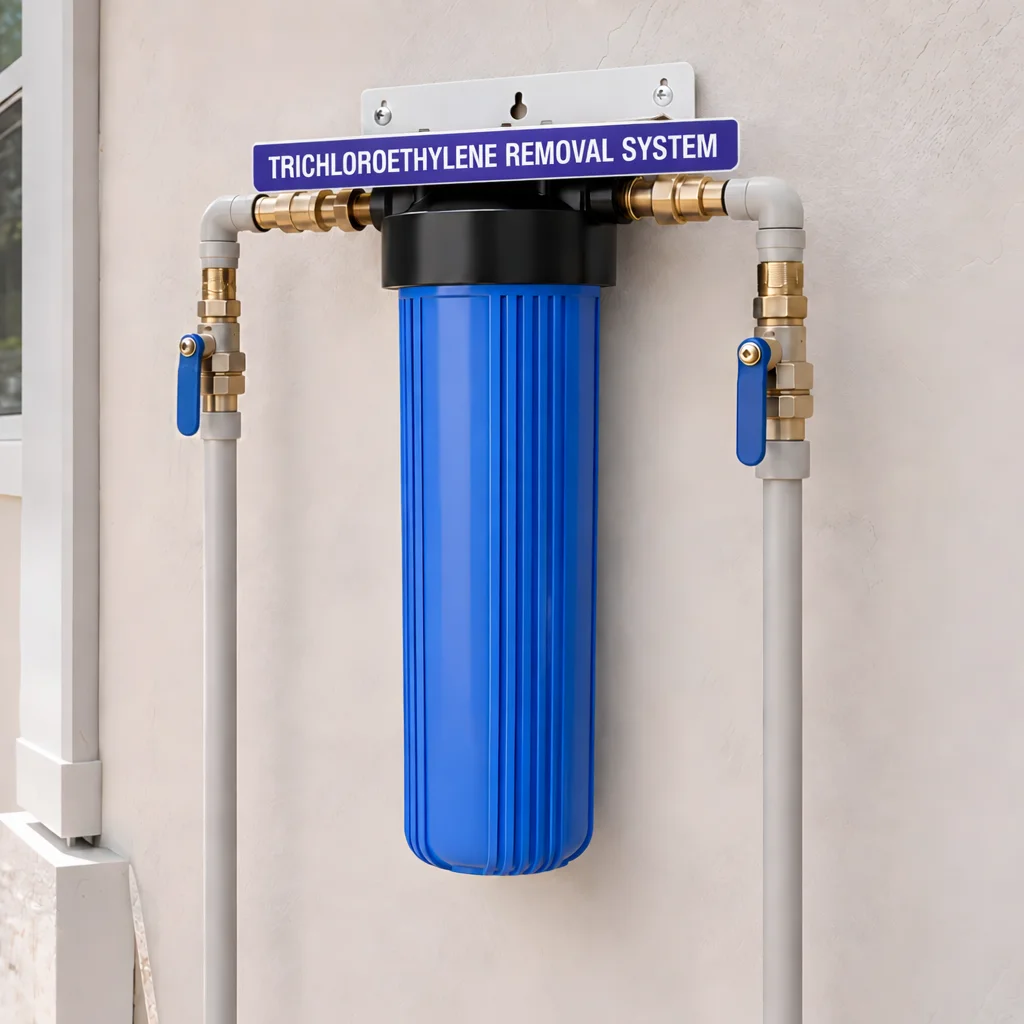
To reduce trichloroethylene at the point where water enters the property, a whole-house granular activated carbon (GAC) filter is often the single most effective filter option. GAC removes many volatile organic compounds, including TCE, by adsorbing them as water moves through a deep carbon bed. Proper sizing and flow design are important because contact time with the carbon affects removal; a correctly designed GAC unit treats water for every faucet and shower in your Craggs home.
A properly designed GAC whole-house system should be sized to match your household’s water use so the media has adequate contact time to work. Carbon does eventually become exhausted, so replacement schedules depend on how much water your household uses and are best guided by follow-up testing when possible. Many homes also add sediment prefilters to protect the carbon bed from clogging and channeling. If TCE is a concern for your Craggs property, Mr. Pure Water can recommend a whole-house carbon setup tailored to your water and usage patterns.
 850-772-1365
 info@bestwaterheater.com

