 Phone: 407-214-2646
 info@bestwaterheater.com
Phone: 407-214-2646
info@bestwaterheater.com
info@bestwaterheater.com
Phone: 407-214-2646
info@bestwaterheater.com
 Phone: 407-214-2646
info@bestwaterheater.com
Phone: 407-214-2646
info@bestwaterheater.com

Including filter system and high-performance Trihalomethanes filter.


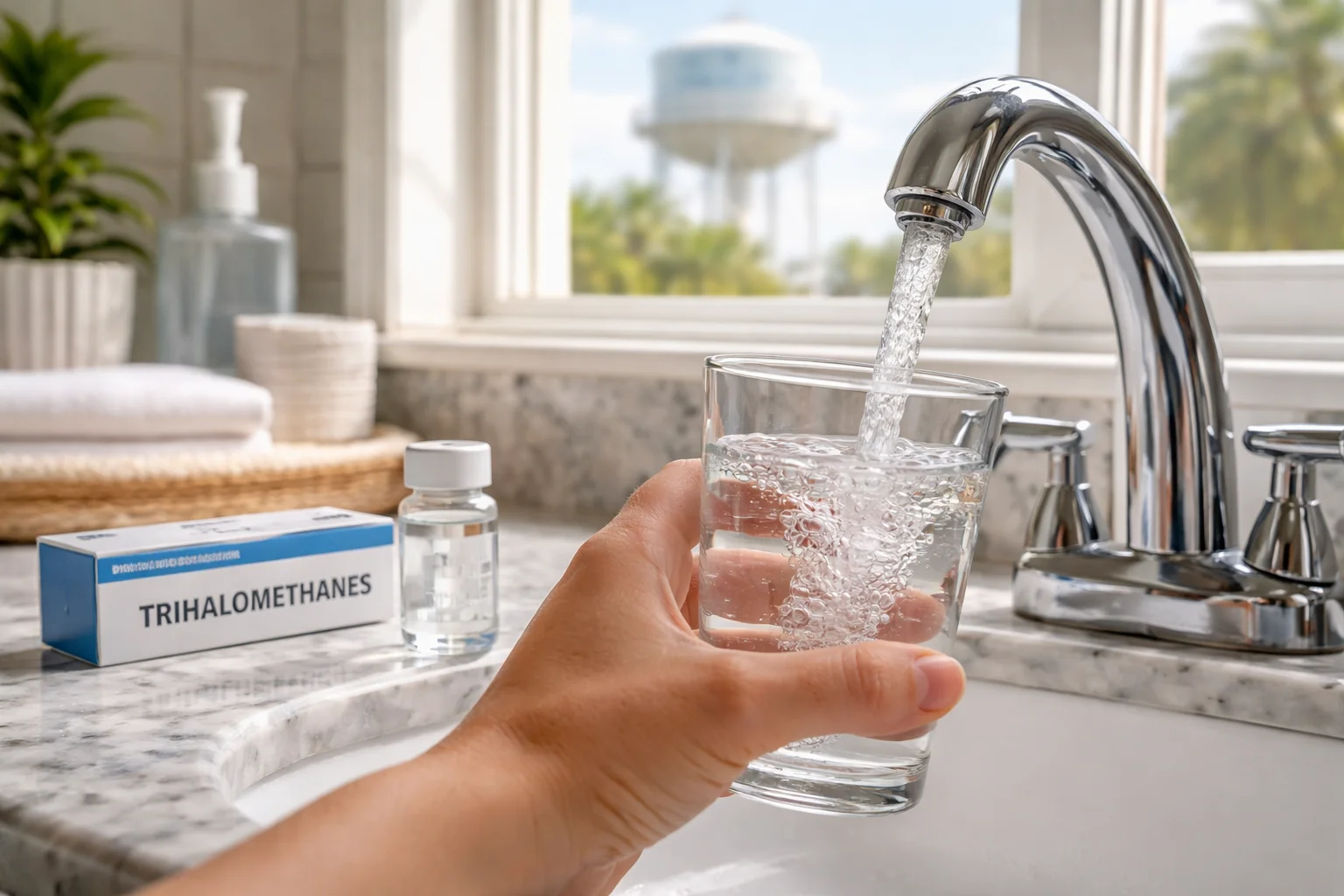
Trihalomethanes form when chlorine used to disinfect drinking water reacts with natural organic matter; you may also see them listed as THMs, total THMs, or total trihalomethanes on utility documents. Even if your water looks clear and tastes fine in Buenaventura Lakes, these byproducts can still be present because they’re produced during treatment. Many local homeowners choose extra layers of protection to lower exposure from every faucet, especially in Central Florida’s hard-water conditions that add concerns about plumbing and appliance wear.
Utilities and reports sometimes show trihalomethanes as a single metric—Total THMs or TTHMs—and levels can change with source water, season, and time spent in distribution lines. In the Buenaventura Lakes and Kissimmee area, they’re most commonly linked with chlorinated systems and typically won’t cause obvious smells or visible clues, so testing or reviewing your water report is the usual way to know if they’re present. If you’d rather reduce potential exposure across your whole property, point-of-entry treatment is the route that treats showers, laundry and every sink at once.
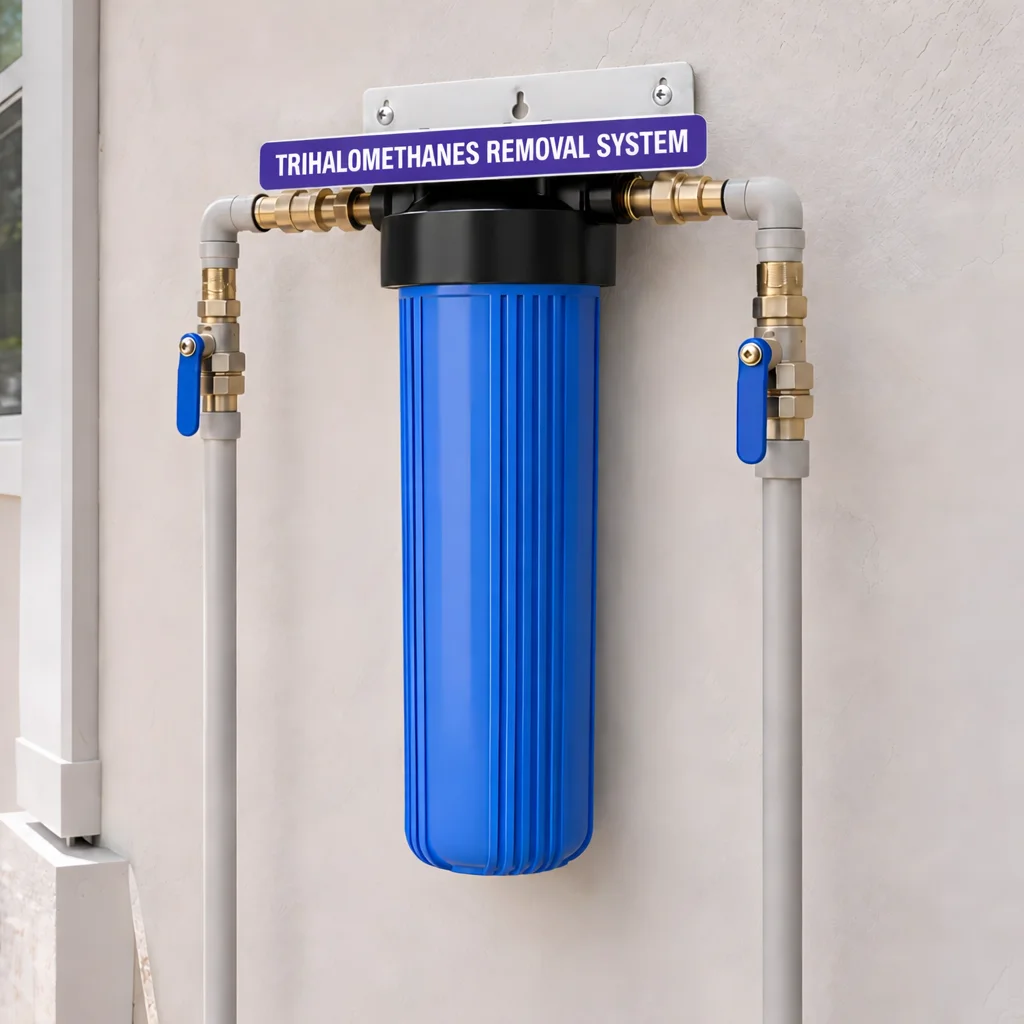
To lower trihalomethanes throughout your house, a whole-house activated carbon filter is generally the single most effective option. Carbon media adsorbs many chlorine-related byproducts, including THMs, as water flows through the tank, so installing it at the main line protects all taps in a Buenaventura Lakes home. Treating water at point of entry also cuts down on the chlorine that can lead to additional byproduct formation while water sits in hard household plumbing.
Mr. Pure Water supplies whole-house carbon systems designed to target total THMs and other organics without changing how you use water around Buenaventura Lakes. Getting the right tank size, media volume and flow rate matters so the carbon has enough contact time to reduce TTHMs reliably; for many homes a catalytic carbon option boosts performance against chlorine-related compounds compared with standard carbon. If lowering total THMs at every tap is your goal, a point-of-entry carbon system is a practical, effective solution.
 407-214-2646
 info@bestwaterheater.com

