 Phone: 850-772-1365
 info@bestwaterheater.com
Phone: 850-772-1365
info@bestwaterheater.com
info@bestwaterheater.com
Phone: 850-772-1365
info@bestwaterheater.com
 Phone: 850-772-1365
info@bestwaterheater.com
Phone: 850-772-1365
info@bestwaterheater.com

Including filter system and high-performance Trihalomethanes filter.


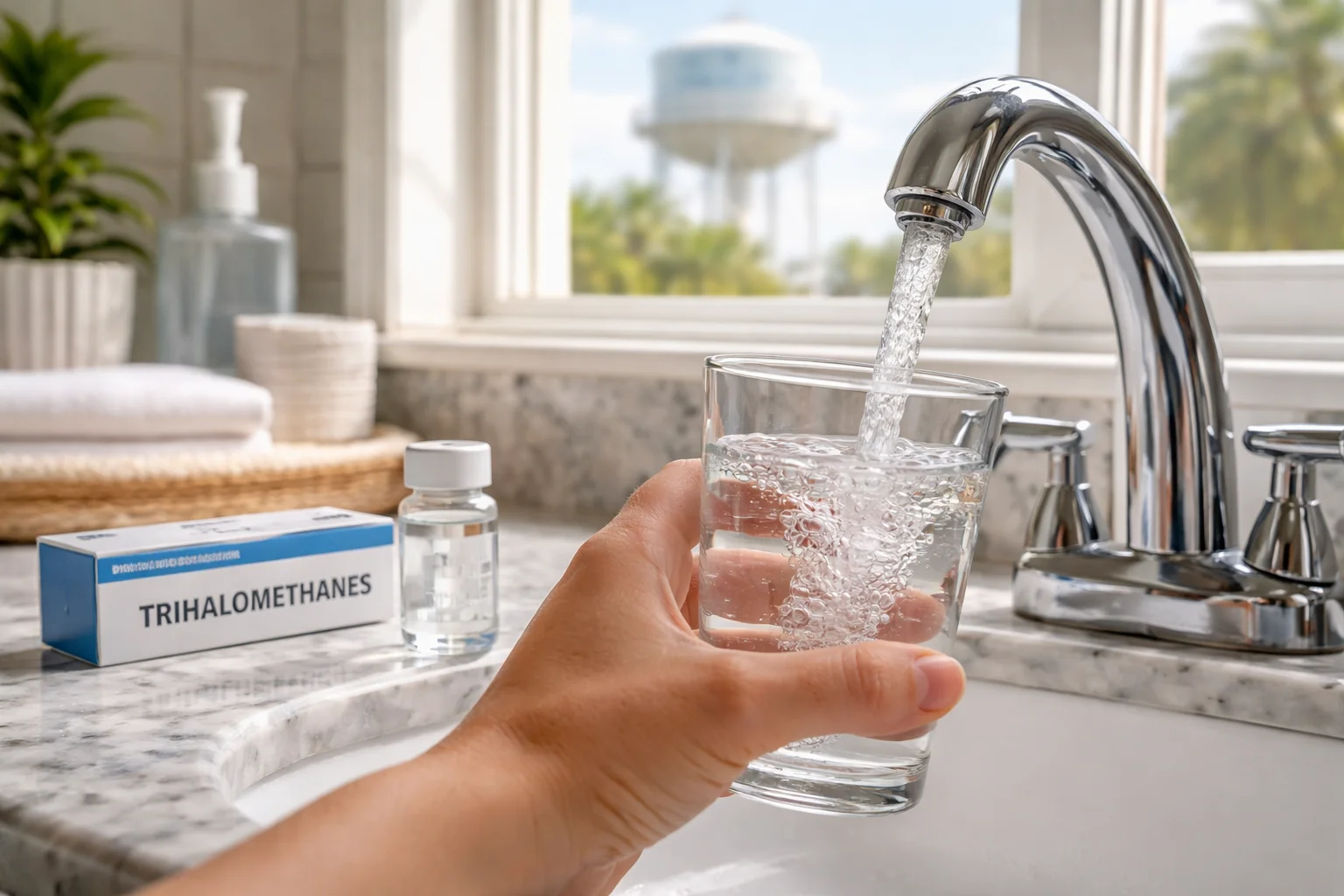
Trihalomethanes form when chlorine used to disinfect water reacts with natural organic matter, and you may see them listed as THMs or total trihalomethanes on utility documents. Even if water looks clear and tastes acceptable, these disinfection byproducts can be present, so many Grand Ridge homeowners choose extra protection to limit exposure from every faucet and shower.
Utilities and labs often report a single figure called Total THMs or TTHMs to summarize trihalomethane levels. Because THMs are tied to chlorinated supplies and can change with source water and distribution conditions, they usually don’t produce obvious odors or visual signs—testing or reading your water quality report is the reliable way to know. If you’re in Grand Ridge and want to reduce potential risks throughout your house, installing treatment at the point of entry can lower what reaches sinks, showers, and appliances.
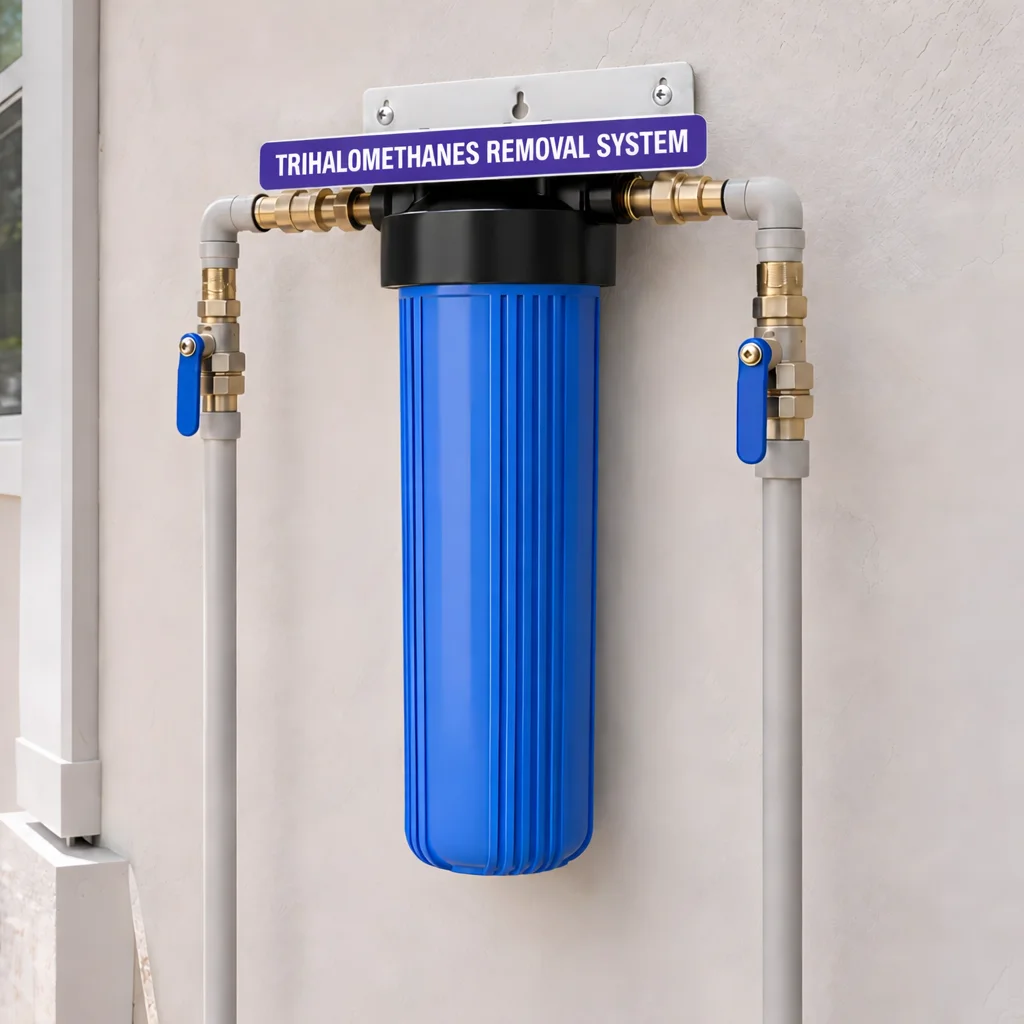
To address trihalomethanes across an entire property, a whole-house activated carbon filter is generally the best single-filter solution. Carbon media adsorbs many chlorine-related byproducts, including THMs, as water moves through the tank, so treating the main line helps protect showers, laundry, and kitchen taps in Grand Ridge with one system. This approach also cuts back on chlorine that can encourage more byproduct formation inside household plumbing.
Mr. Pure Water installs whole-house carbon systems designed to target Total THMs and other organic contaminants without altering daily water use. Correct sizing and sufficient contact time are important for consistent removal of TTHMs, so selecting the right media volume and flow rate matters for Grand Ridge homes. In many cases, upgrading to catalytic carbon improves adsorption of chlorine-related compounds compared with standard carbon, making a point-of-entry carbon system a practical way to reduce total THMs at every tap.
 850-772-1365
 info@bestwaterheater.com

