 Phone: 772-290-5223
 info@bestwaterheater.com
Phone: 772-290-5223
info@bestwaterheater.com
info@bestwaterheater.com
Phone: 772-290-5223
info@bestwaterheater.com
 Phone: 772-290-5223
info@bestwaterheater.com
Phone: 772-290-5223
info@bestwaterheater.com

Including filter system and high-performance Trihalomethanes filter.


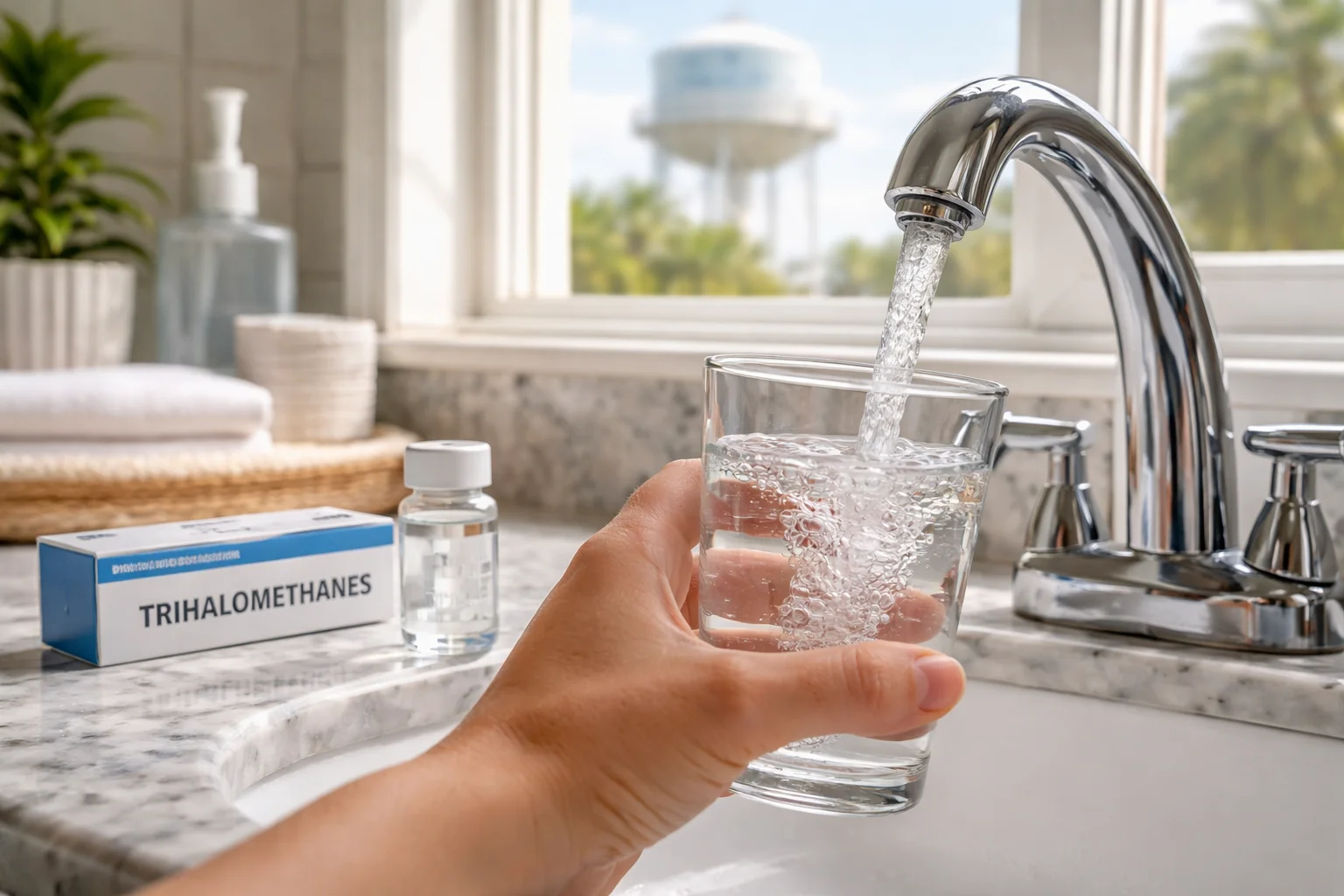
Trihalomethanes form when chlorine used to disinfect water reacts with natural organic material; you may also see them listed as THMs or total trihalomethanes on a utility statement. Even clear, taste‑acceptable water can contain these disinfection byproducts, so many Winter Beach homeowners choose additional protection at the point where water enters the house to reduce exposure from showers, sinks, and laundry.
Utilities and test reports often show total THMs as a single value—appearing as Total THMs or TTHMs. Because trihalomethanes are linked to chlorinated supplies and can shift with source water, season, or how long water sits in pipes, they may not be detectable by smell or sight. In Winter Beach, where some properties use municipal water and others rely on private wells, point‑of‑entry testing and treatment can give a clearer picture and reduce whole‑house exposure.
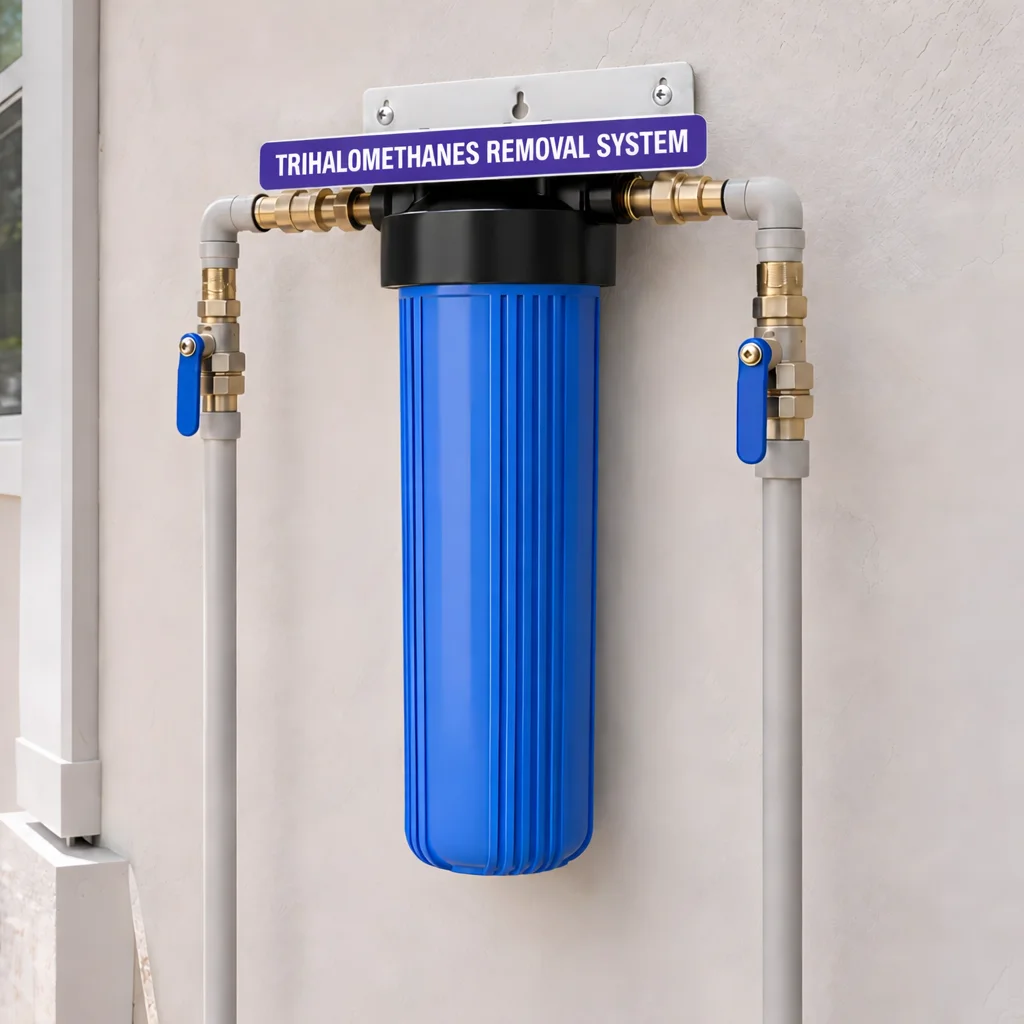
A whole‑house activated carbon filter is generally the best single‑filter choice for lowering trihalomethanes throughout a home. Carbon media adsorbs many chlorine‑related byproducts, including THMs, as water moves through the tank, so treating the main line in Winter Beach covers showers, laundry, and all faucets at once and helps limit further byproduct formation in household plumbing.
Mr. Pure Water offers whole‑house carbon systems sized to tackle total THMs and other organics without altering daily water use. Proper media volume and contact time matter—especially in our humid subtropical coastal climate where mineral content and moderate hardness can affect system performance—so choosing the correct flow rate and, when appropriate, a catalytic carbon upgrade can improve adsorption of chlorine‑related compounds. For many Winter Beach homes, a point‑of‑entry carbon system is a reliable way to lower TTHMs at every tap.
 772-290-5223
 info@bestwaterheater.com

