 Phone: 321-400-9302
 info@bestwaterheater.com
Phone: 321-400-9302
info@bestwaterheater.com
info@bestwaterheater.com
Phone: 321-400-9302
info@bestwaterheater.com
 Phone: 321-400-9302
info@bestwaterheater.com
Phone: 321-400-9302
info@bestwaterheater.com

Including filter system and high-performance Trihalomethanes filter.


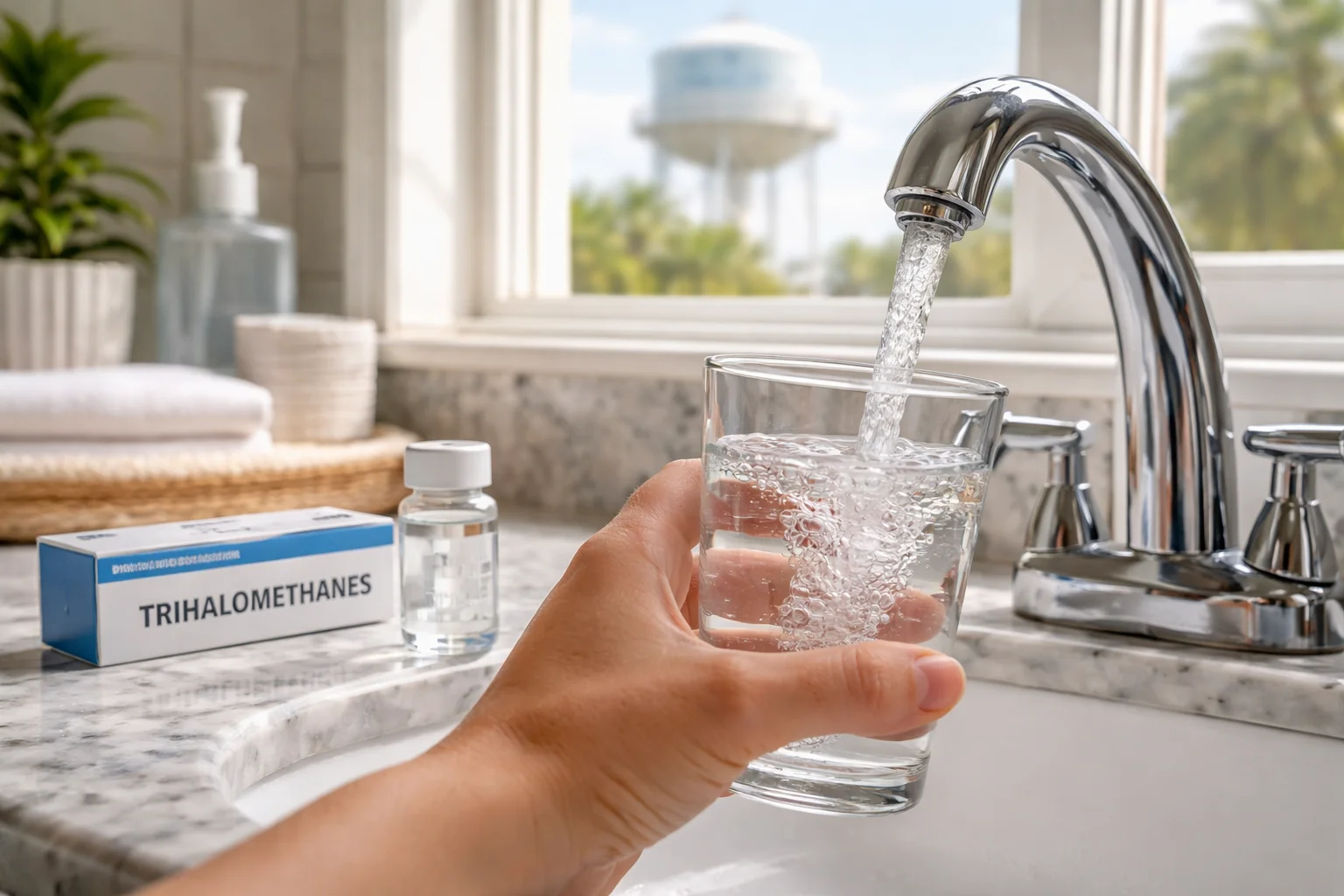
Trihalomethanes are disinfection byproducts that form when chlorine interacts with natural organic material in treated water. You might see them listed on a water quality report as THMs or total trihalomethanes. Because these compounds can form during routine treatment, water can look and taste fine while still containing THMs. Many Winter Park homeowners prefer an added layer of protection at the point of entry to reduce exposure throughout their houses, from Park Avenue properties to homes near Rollins College.
Utilities and reports often track total THMs as a single value—appearing as Total THMs or TTHMs. Trihalomethanes are most commonly linked to chlorinated supplies and can fluctuate with seasonality, source water, and how long water sits in pipes. Because they usually don’t produce a noticeable odor or visible change, testing or reviewing your local report is the way to know if they’re present. If you’re worried about elevated levels in your Winter Park residence—whether in Hannibal Square or Virginia Heights—point-of-entry filtration treats everything coming into the house so every faucet is covered.
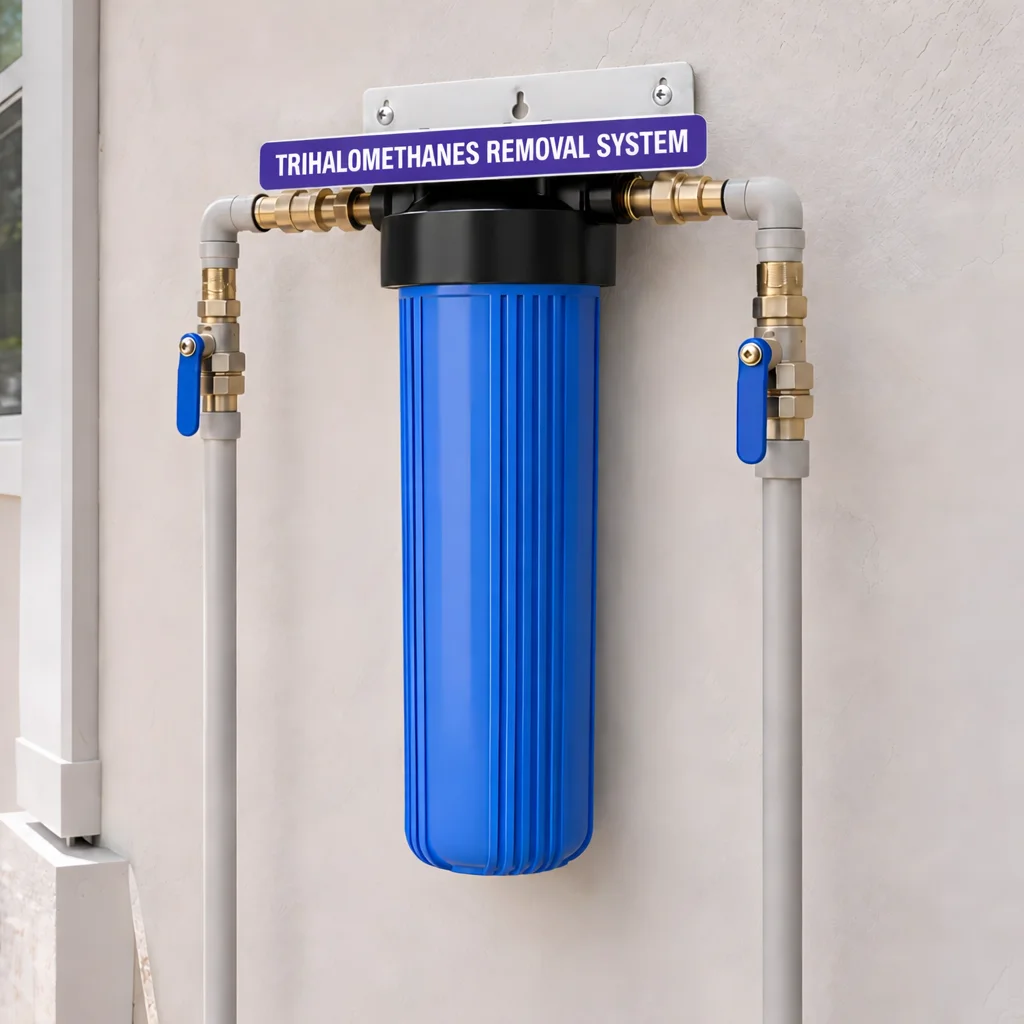
To reduce trihalomethanes throughout the home, a whole-house activated carbon filter is generally the best single-filter choice. Carbon media adsorbs many chlorine-related byproducts, including THMs, as water moves through the tank. Because total trihalomethanes can enter via the main line, treating water at the entry point protects showers, laundry, and sinks across Winter Park homes and helps limit further byproduct formation in household plumbing.
Mr. Pure Water installs whole-house carbon systems sized for Winter Park properties to target Total THMs and other organics without changing daily water use. Correct media volume and flow rate—especially in our humid subtropical climate where moderate hardness and faster scale buildup can affect performance—ensure adequate contact time for the carbon to work on TTHMs. For many homeowners, a catalytic carbon option boosts removal of chlorine-related compounds compared with standard carbon, making point-of-entry carbon a practical way to lower total THMs at the tap.
 321-400-9302
 info@bestwaterheater.com

