 Phone: 407-214-2646
 info@bestwaterheater.com
Phone: 407-214-2646
info@bestwaterheater.com
info@bestwaterheater.com
Phone: 407-214-2646
info@bestwaterheater.com
 Phone: 407-214-2646
info@bestwaterheater.com
Phone: 407-214-2646
info@bestwaterheater.com

Including filter system and high-performance Uranium filter.


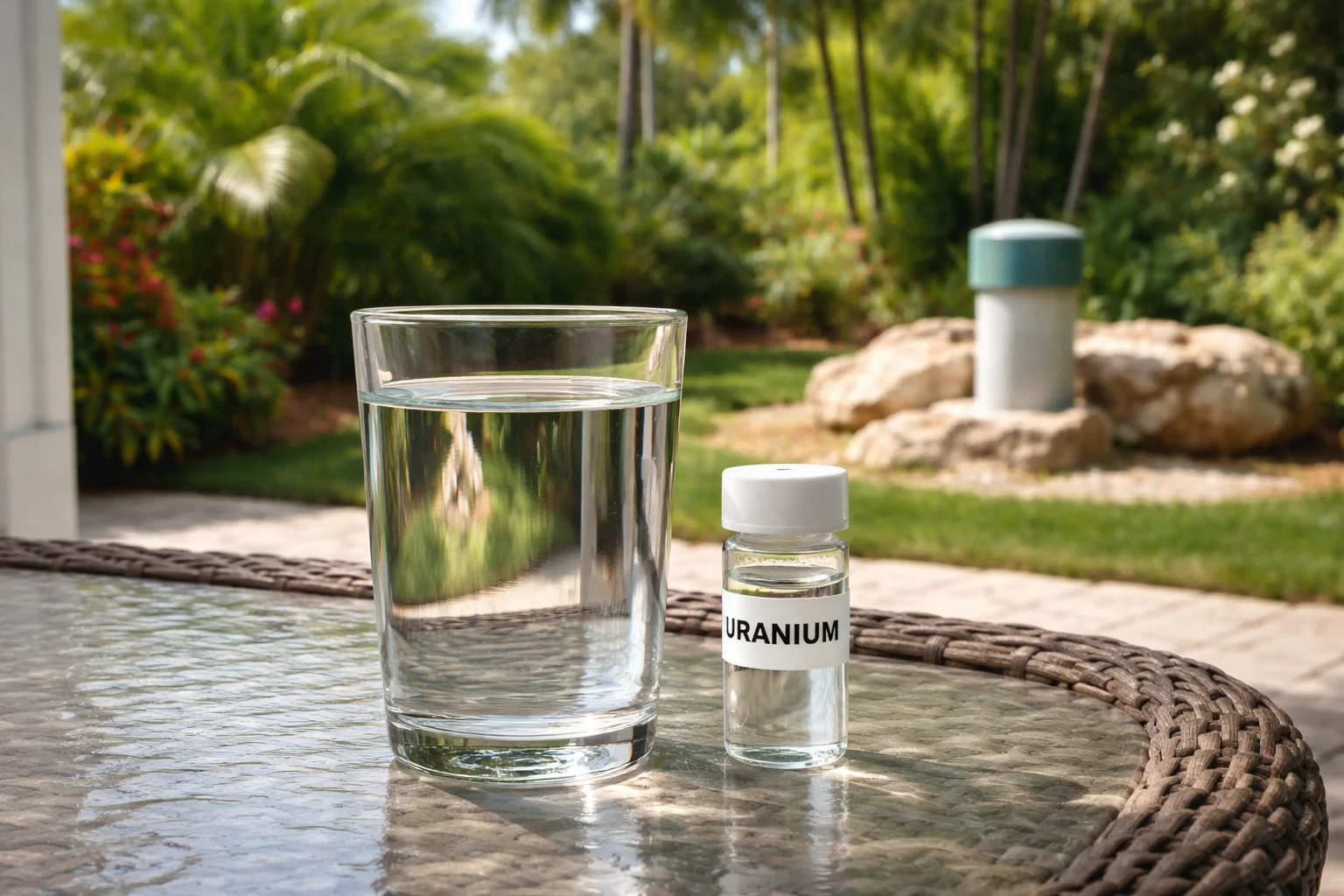
Uranium can enter household water when it leaches from certain rocks and soils into groundwater, and it won’t change the water’s taste, color, or smell. The only reliable way to know if it’s present in Gabriella is to have your water tested and reviewed. Test reports may list it simply as uranium or call out specific isotopes, so a lab result is the starting point for any sensible plan to protect your family and appliances from mineral-related issues.
Common isotopes shown on reports include Uranium-234, Uranium-235, and Uranium-238 — naturally occurring forms that water labs measure. Rather than getting lost in the chemistry, homeowners in Gabriella should focus on preventing dissolved uranium from entering the house at the point of entry. A whole-house system treats every faucet and shower, which matters for cooking, bathing and laundry and helps manage mineral effects seen in humid subtropical Florida with moderate hardness.
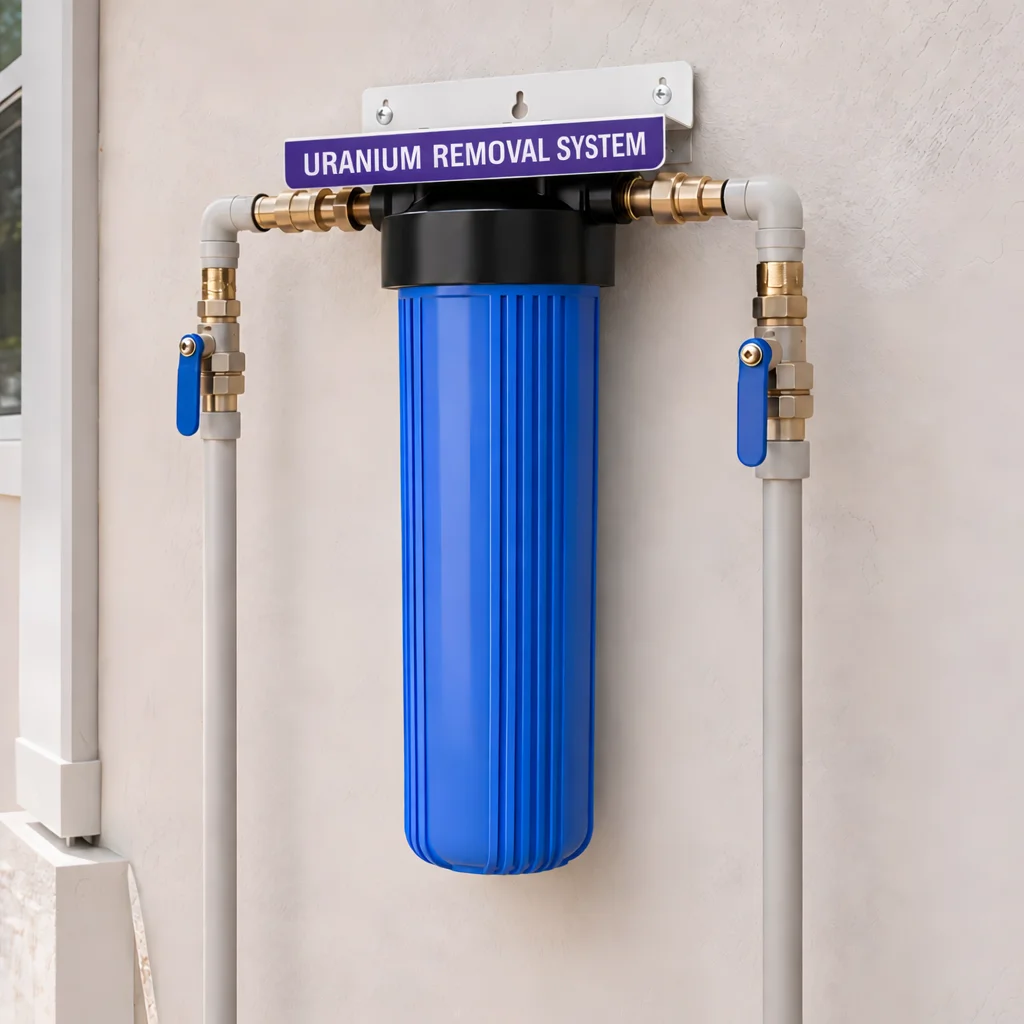
For whole-home reduction of dissolved uranium, the most effective single-filter option is an ion exchange system (sometimes described as an anion exchange or nitrate-selective resin depending on water chemistry). This technology swaps ions in the water with ions on the resin, capturing dissolved uranium species so all incoming water is treated — not just one sink. Ion exchange is commonly recommended when uranium is in solution rather than present as particulates.
Because Gabriella’s water chemistry — pH, alkalinity and competing minerals — affects how well an ion exchange resin performs, the resin type and system design should match your specific test results. A correct setup includes the resin tank plus the necessary hardware for regeneration or media replacement so the system keeps working reliably. Mr. Pure Water can examine your water report and propose an ion exchange whole-house configuration tailored to lower uranium throughout your home.
 407-214-2646
 info@bestwaterheater.com

