 Phone: 305-404-8790
 info@bestwaterheater.com
Phone: 305-404-8790
info@bestwaterheater.com
info@bestwaterheater.com
Phone: 305-404-8790
info@bestwaterheater.com
 Phone: 305-404-8790
info@bestwaterheater.com
Phone: 305-404-8790
info@bestwaterheater.com

Including filter system and high-performance Uranium filter.


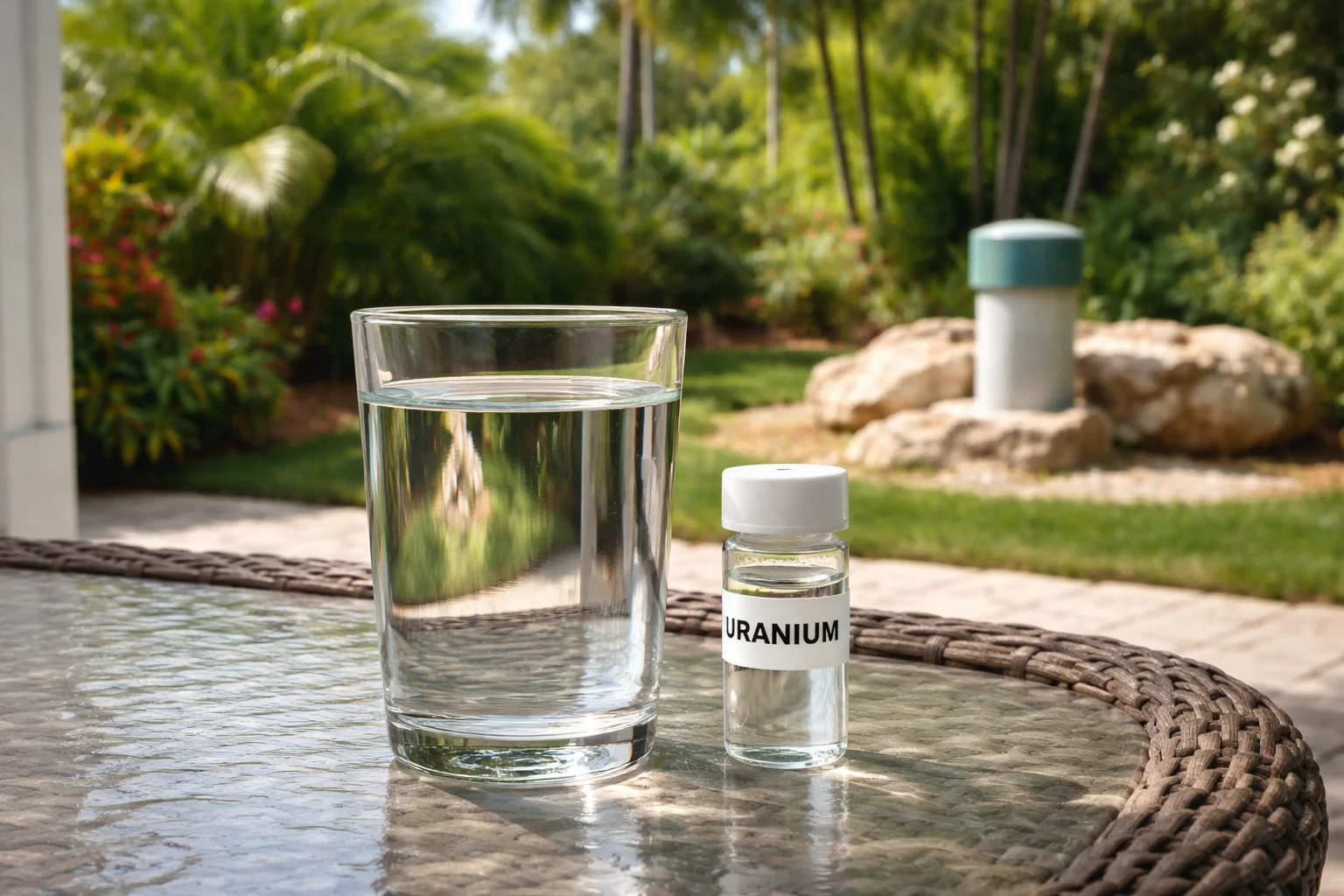
Uranium can enter household water when it dissolves from rocks and soils into groundwater or supply sources; it won’t change the water’s color, taste, or smell, so testing is the only way to know if it’s present. If your Palmetto Bay water report lists uranium or shows its isotopes, it’s reasonable to look for practical steps to protect plumbing, appliances and your family’s everyday water use.
Common forms reported on lab results include uranium-234, uranium-235, and uranium-238 — naturally occurring isotopes that labs track. The technical details matter to scientists, but for homeowners in Palmetto Bay the key point is simple: treating water at the point it enters your house provides coverage for every faucet. A whole-house system keeps water used for cooking, bathing, laundry and irrigation treated, rather than relying on a single countertop or under-sink unit.
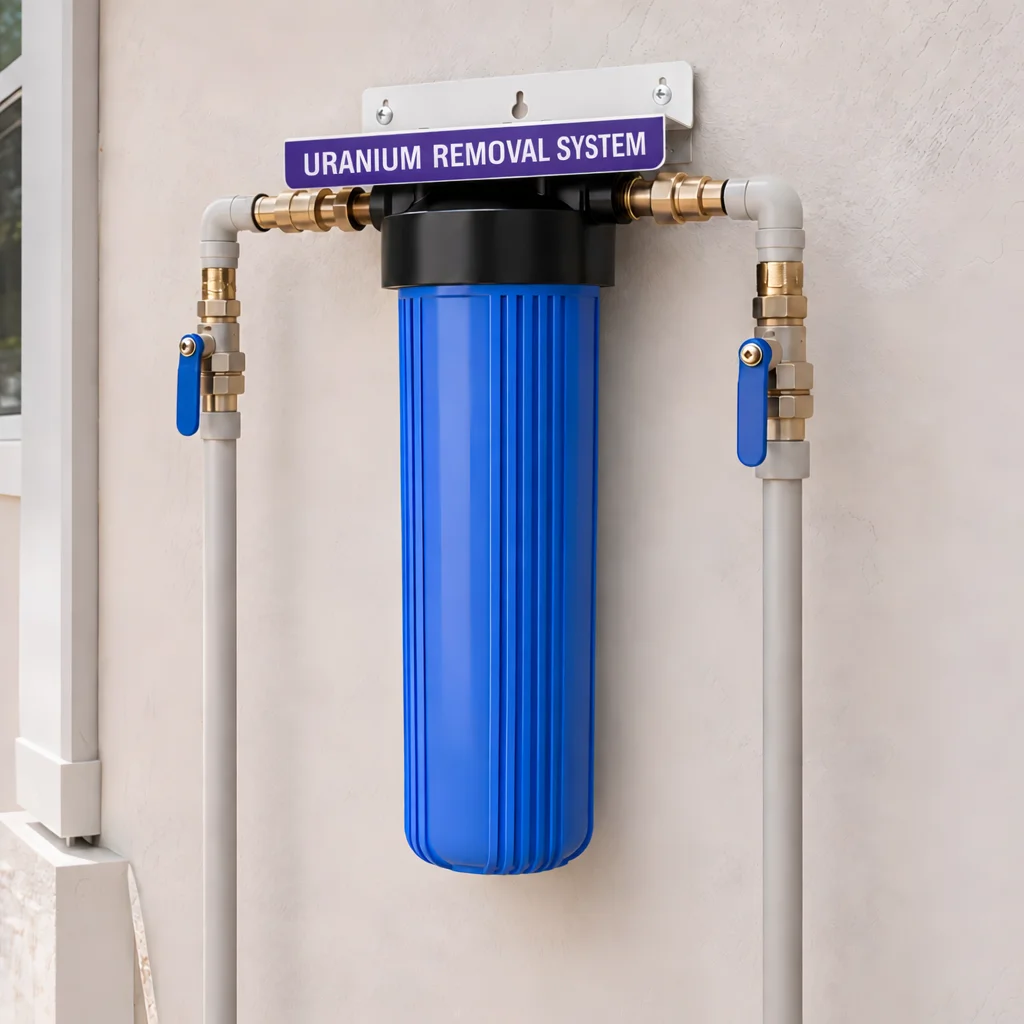
For reducing uranium throughout a home, the most effective single-filter whole-house option is typically an ion exchange system (sometimes described as anion exchange or nitrate-selective resin depending on your water chemistry). These systems exchange charged ions in the water for ions on the resin, which can capture dissolved uranium species, and they treat all incoming water so every tap in Palmetto Bay is covered.
Performance depends on local water factors — pH, alkalinity and competing ions — and south Florida’s hard municipal water can influence how a system is specified. That’s why the resin type and the full system design, including regeneration or media replacement components, should be matched to your Palmetto Bay water test. Mr. Pure Water can review your report and recommend an ion exchange whole-house setup tuned to your conditions so the system keeps reducing uranium consistently across the home.
 305-404-8790
 info@bestwaterheater.com

