 Phone: 772-290-5223
 info@bestwaterheater.com
Phone: 772-290-5223
info@bestwaterheater.com
info@bestwaterheater.com
Phone: 772-290-5223
info@bestwaterheater.com
 Phone: 772-290-5223
info@bestwaterheater.com
Phone: 772-290-5223
info@bestwaterheater.com

Including filter system and high-performance Vinyl Chloride filter.


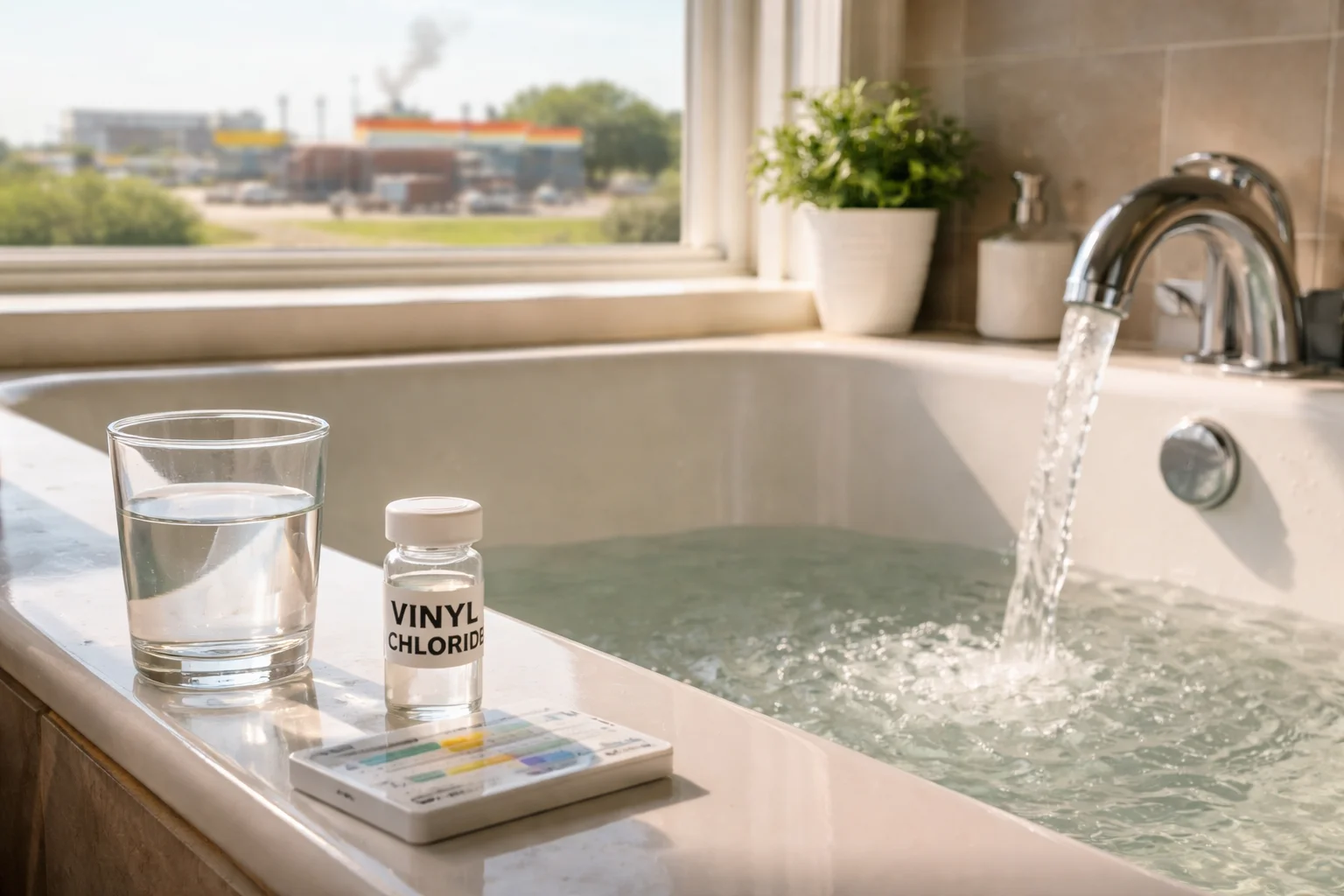
Vinyl chloride is a synthetic chemical often linked to plastics and can enter drinking water when industrial solvents break down or materials slowly leach. Because it usually doesn’t alter taste, smell, or color, homeowners on the Treasure Coast may never notice it without testing. A comprehensive water test that checks for volatile organic compounds (VOCs) is the usual way to detect vinyl chloride; if your results show it, taking steps to limit exposure throughout a Blowing Rocks home is a sensible next move.
Even if vinyl chloride shows up only at a single faucet, it can influence everyday activities like cooking, making coffee, brushing teeth, and filling pet bowls. Many families around Blowing Rocks and nearby Jupiter Island or Hobe Sound opt for whole-house treatment so every tap delivers treated water, including showers and laundry. With the area’s hard water and coastal, humid subtropical climate contributing to mineral buildup, homeowners appreciate a single reliable system that covers all household uses.
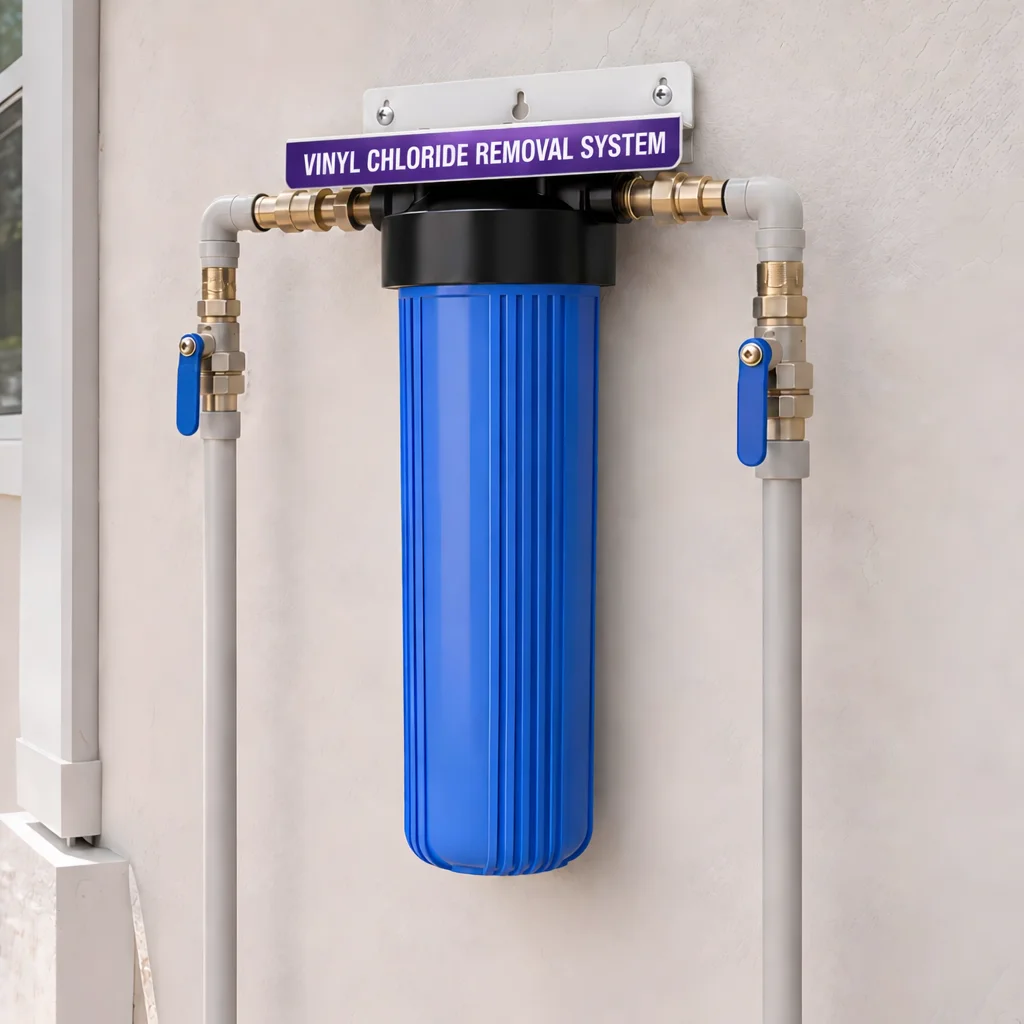
The top single-filter option for treating vinyl chloride in a whole-house system is a catalytic activated carbon tank formulated for VOC reduction. Activated carbon removes many organic contaminants by adsorption as water moves through the media, and catalytic carbon is selected when homeowners want enhanced VOC performance and faster reaction sites. Since vinyl chloride is treated as a VOC, carbon-based adsorption is a primary, proven approach, and choosing a properly sized tank preserves the contact time needed for meaningful reduction.
Mr. Pure Water installs whole-house catalytic carbon systems at the main water entry so treated water reaches showers, sinks, appliances and the kitchen throughout Blowing Rocks homes. A single, correctly sized tank avoids the patchwork of small point-of-use units, but the carbon media does require replacement on a schedule driven by household water use and local water quality to keep performance steady. We recommend testing before and after installation to verify the system is meeting your goals and protecting your family.
 772-290-5223
 info@bestwaterheater.com

