 Phone: 850-772-1365
 info@bestwaterheater.com
Phone: 850-772-1365
info@bestwaterheater.com
info@bestwaterheater.com
Phone: 850-772-1365
info@bestwaterheater.com
 Phone: 850-772-1365
info@bestwaterheater.com
Phone: 850-772-1365
info@bestwaterheater.com

Including filter system and high-performance Vinyl Chloride filter.


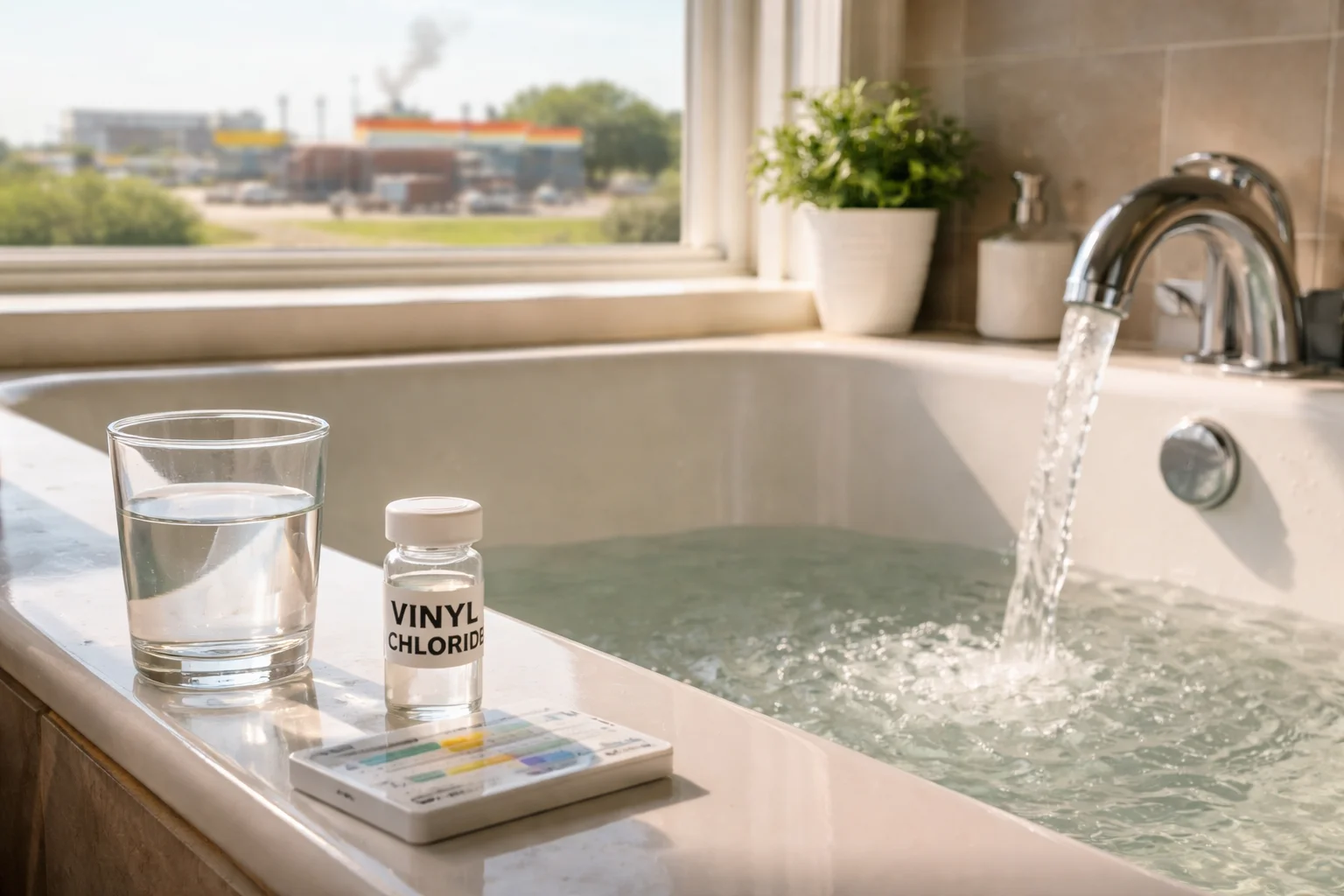
Vinyl chloride is a man-made chemical tied to plastics production and can enter drinking water when industrial solvents break down or certain materials leach over time. Because it often doesn’t change taste, smell, or appearance, homeowners in Brickton might not notice it without testing. The sure way to find out is a water test that screens for volatile organic compounds (VOCs); if vinyl chloride shows up, taking steps to reduce exposure around the house is a smart next move.
Even if vinyl chloride is only detected at the kitchen sink, it can influence everyday activities like cooking, making coffee, brushing teeth, and filling pet bowls for Brickton families. Many homeowners opt for a whole-house system so treated water is delivered to every faucet, not just one point of use. That approach also lowers the chance of the contaminant being present in water used for bathing and laundry, giving consistent, reliable protection that suits typical Florida home water use.
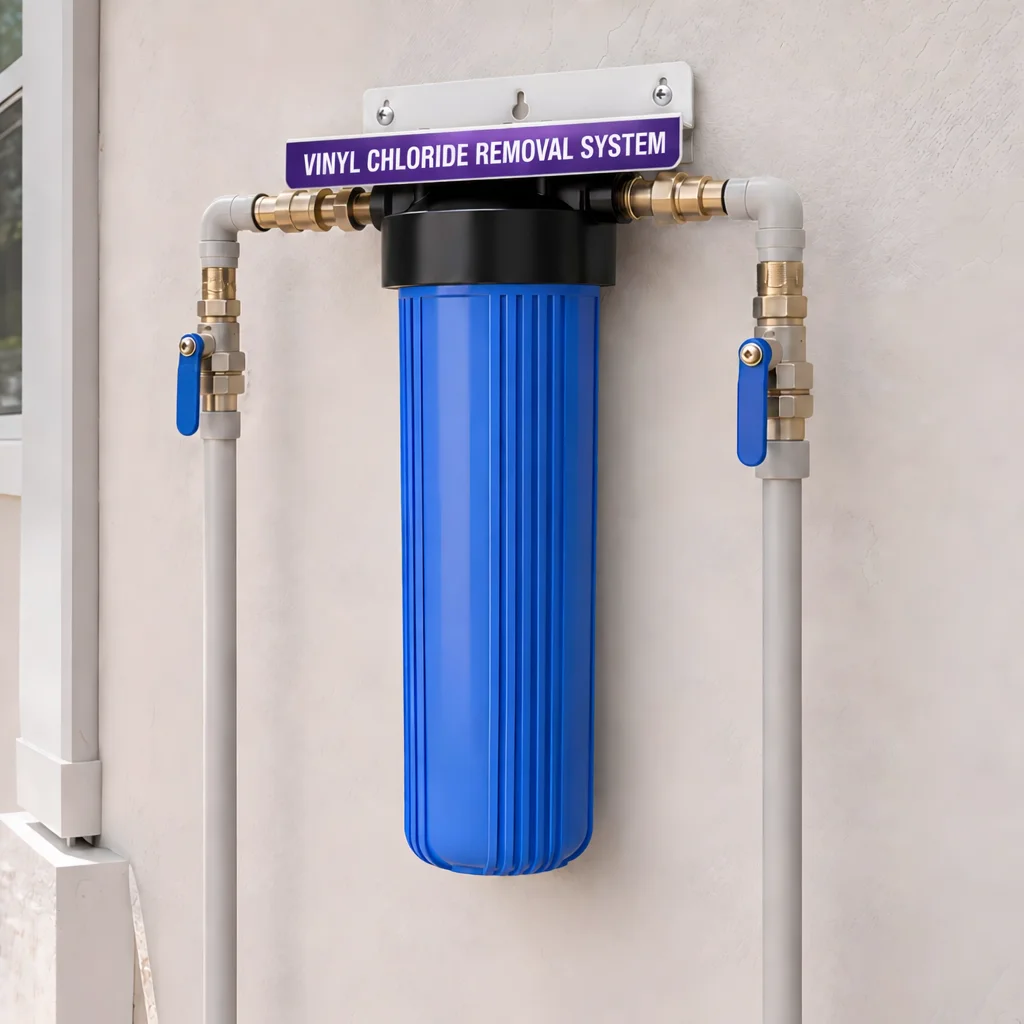
The most effective single-filter option for a whole-house solution against vinyl chloride is a catalytic activated carbon tank sized for VOC reduction. Carbon filtration removes many organic compounds by adsorbing them as water moves through the media, and catalytic carbon is often chosen when homeowners want improved performance for VOCs and faster reaction sites. Since vinyl chloride is treated as a VOC, carbon-based adsorption is a primary, proven method, and a correctly sized tank ensures adequate contact time for meaningful reduction.
Mr. Pure Water installs whole-house catalytic carbon systems so Brickton homes get treatment at the point where water enters the house, protecting showers, sinks, appliances, and the kitchen with a single unit. The carbon media will eventually become saturated and should be replaced on a schedule based on your water use and quality to keep performance steady. We recommend testing before and after installation to confirm the system is delivering the vinyl chloride reduction you expect.
 850-772-1365
 info@bestwaterheater.com

