 Phone: 954-208-3500
 info@bestwaterheater.com
Phone: 954-208-3500
info@bestwaterheater.com
info@bestwaterheater.com
Phone: 954-208-3500
info@bestwaterheater.com
 Phone: 954-208-3500
info@bestwaterheater.com
Phone: 954-208-3500
info@bestwaterheater.com

Including filter system and high-performance Vinyl Chloride filter.


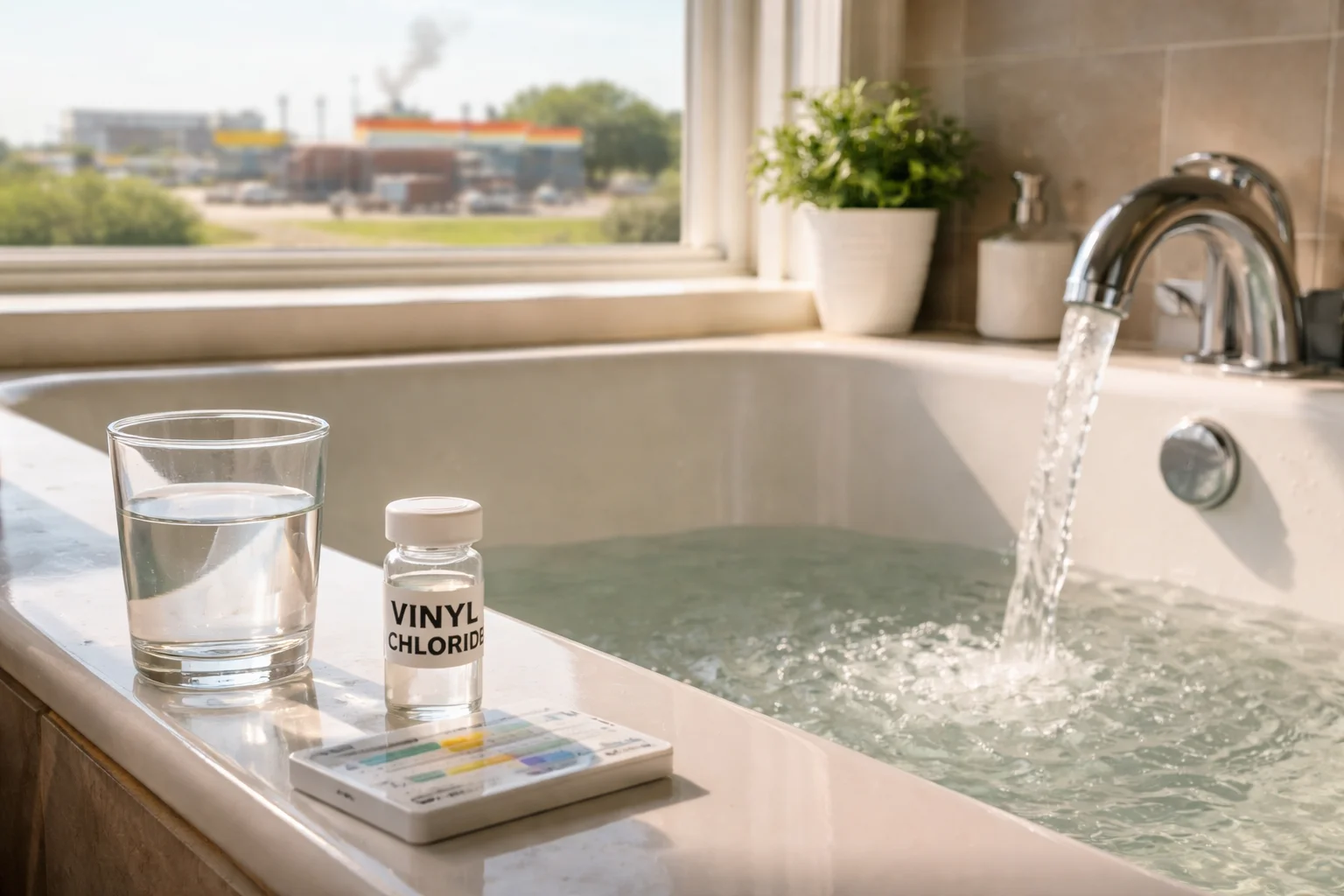
Vinyl chloride is a synthetic chemical often linked to plastics production and can enter drinking water when industrial solvents break down or materials leach over time. Because it usually doesn’t change the water’s taste, smell, or appearance, homeowners in Coral Springs may not notice it without testing. The most reliable way to detect its presence is a water analysis that includes volatile organic compounds (VOCs); if vinyl chloride appears on your report, it’s wise to consider steps to lower exposure around the house.
Though concerns about vinyl chloride often start at the kitchen tap — affecting cooking, coffee, toothbrushing, and pet water bowls — many Coral Springs families choose whole-house treatment so every faucet delivers treated water. A single system can also reduce the likelihood of contamination in showers and laundry, which is especially convenient in Broward County homes where hard water can already create maintenance headaches. The aim is straightforward: dependable treatment throughout the home that works with your daily routines.
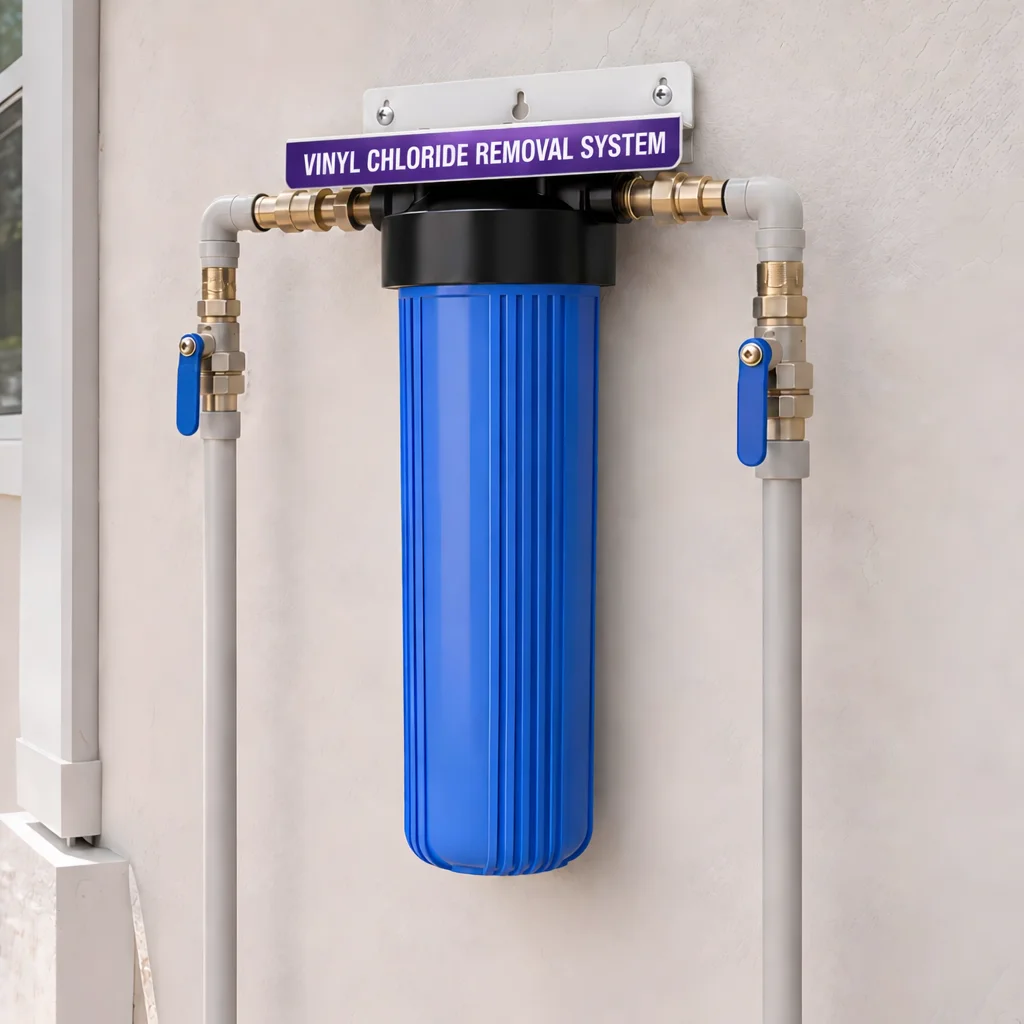
The top single-filter choice for whole-house vinyl chloride reduction is a catalytic activated carbon tank built for VOC removal. Activated carbon captures organic contaminants as water flows through the media, and catalytic carbon is selected when homeowners want enhanced removal for VOCs like vinyl chloride due to its improved adsorption and reaction characteristics. Since vinyl chloride is volatile and treated as a VOC, a properly sized catalytic carbon tank—which preserves adequate contact time—is a primary, proven approach for meaningful reduction.
At Mr. Pure Water we size and install whole-house catalytic carbon systems so Coral Springs homes get treated water at the main line—protecting showers, sinks, appliances, and more with a single unit. The carbon media needs periodic replacement based on your water use and local water quality to keep performance steady, and pairing the installation with before-and-after testing confirms the system is delivering the expected reduction.
 954-208-3500
 info@bestwaterheater.com

