 Phone: 954-208-3500
 info@bestwaterheater.com
Phone: 954-208-3500
info@bestwaterheater.com
info@bestwaterheater.com
Phone: 954-208-3500
info@bestwaterheater.com
 Phone: 954-208-3500
info@bestwaterheater.com
Phone: 954-208-3500
info@bestwaterheater.com

Including filter system and high-performance Vinyl Chloride filter.


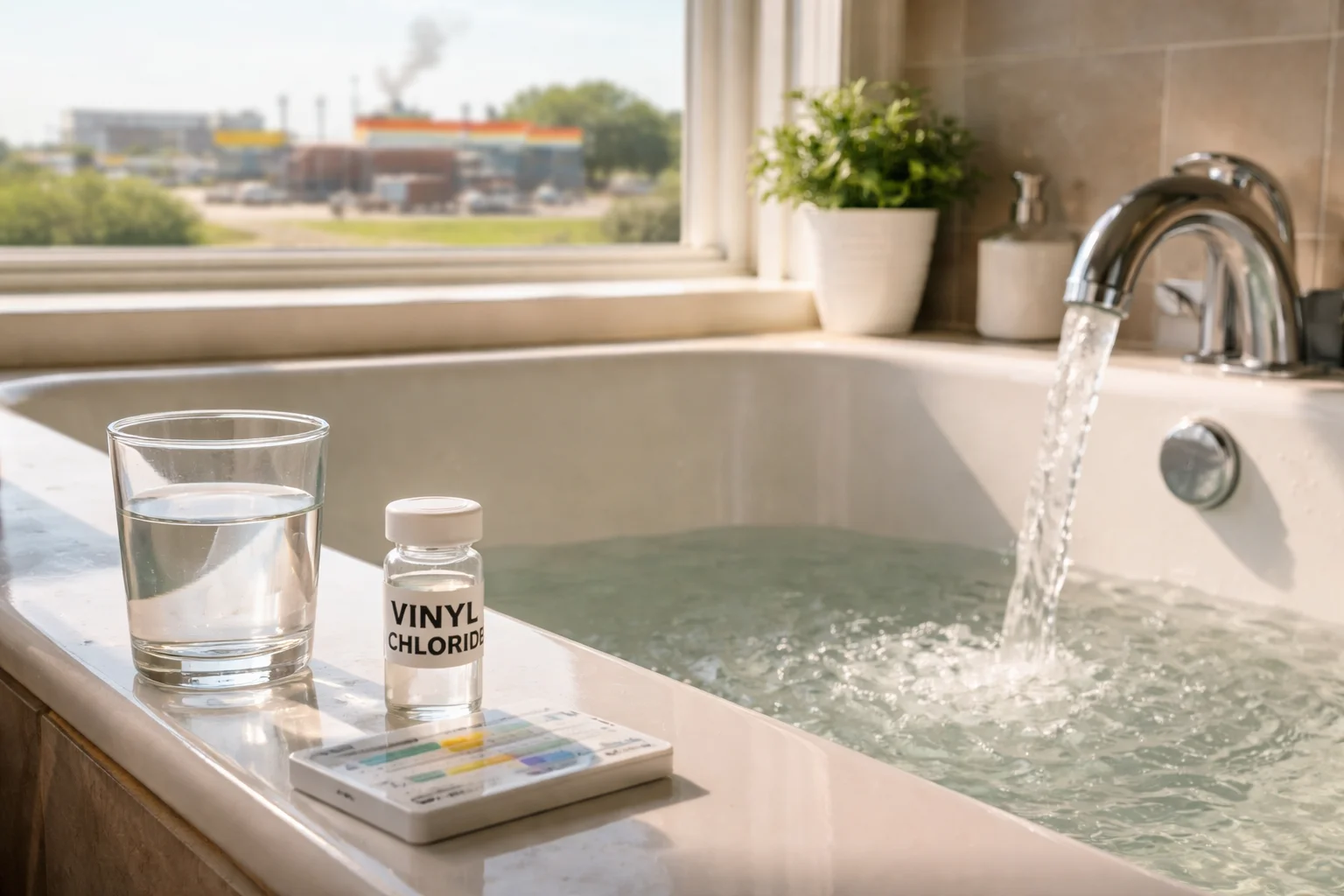
Vinyl chloride is a synthetic chemical tied to plastics and can enter drinking water when certain solvents break down or materials leach over time. Because it doesn’t usually change taste, smell, or color, homeowners in Harbor Beach may not notice it without testing. The reliable way to detect it is a water analysis that includes volatile organic compounds (VOCs); if vinyl chloride shows up, taking steps to lower exposure throughout the home is recommended.
Even if concerns about vinyl chloride begin at the kitchen faucet, the contaminant can touch many everyday activities — from cooking and coffee to toothbrushing and filling pet bowls. Many Harbor Beach families opt for whole-house treatment so every tap, shower, and appliance uses treated water rather than relying solely on a point-of-use device. In a humid subtropical coastal town, homeowners often value consistent, whole-home treatment that matches typical water use and living patterns.
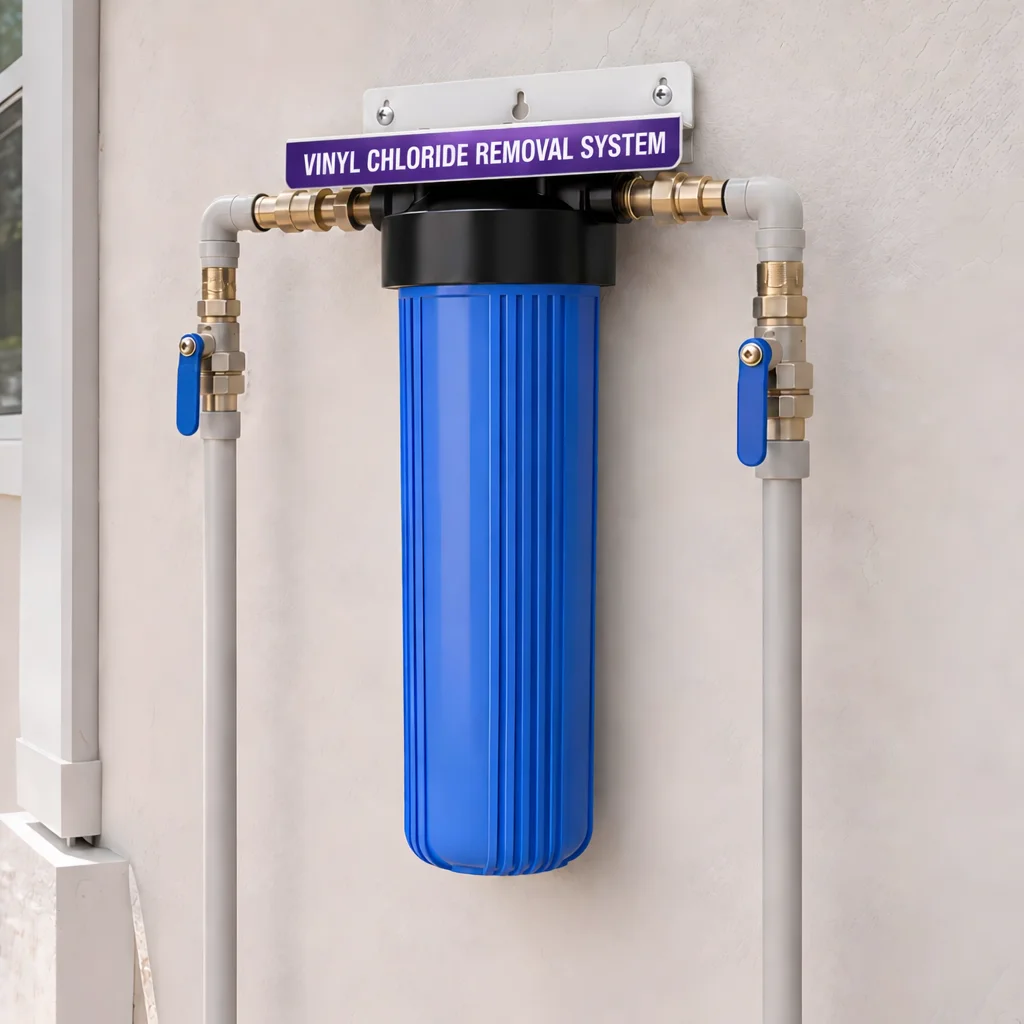
The most effective single-filter option for whole-house vinyl chloride reduction is a catalytic activated carbon tank designed for VOC removal. Carbon adsorbs organic contaminants as water flows through the media, and catalytic carbon is selected when homeowners want improved performance against VOCs and more reactive adsorption sites. Because vinyl chloride is treated as a volatile organic compound, carbon-based adsorption is a primary, proven method, and a properly sized tank is important to ensure adequate contact time for meaningful reduction.
At Mr. Pure Water we design whole-house catalytic carbon systems to treat water at the point it enters your Harbor Beach home so showers, sinks, and appliances all benefit from the same protection. The carbon media will eventually reach capacity and should be replaced on a schedule that reflects your water use and quality to keep performance steady. Combining pre- and post-install testing with routine maintenance helps confirm the system is meeting your goals, and in coastal areas we also consider corrosion risks to outdoor components when planning installations.
 954-208-3500
 info@bestwaterheater.com

