 Phone: 772-290-5223
 info@bestwaterheater.com
Phone: 772-290-5223
info@bestwaterheater.com
info@bestwaterheater.com
Phone: 772-290-5223
info@bestwaterheater.com
 Phone: 772-290-5223
info@bestwaterheater.com
Phone: 772-290-5223
info@bestwaterheater.com

Including filter system and high-performance Vinyl Chloride filter.


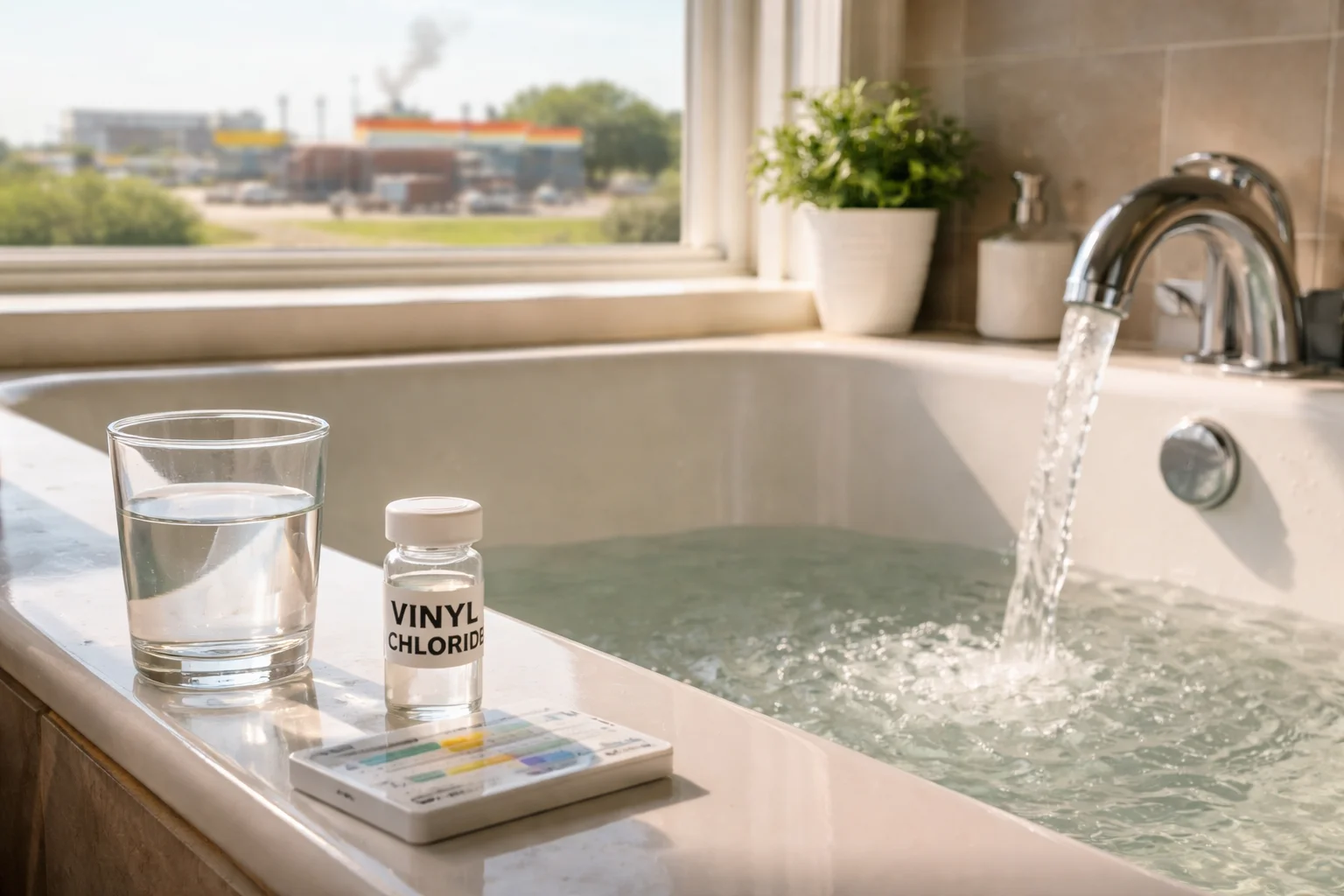
Vinyl chloride is an industrial chemical tied to plastics production that can enter drinking water when certain solvents break down or materials slowly leach. Because it usually doesn’t change the water’s taste, smell, or color, homeowners in Hobe Sound and Martin County might not detect it without laboratory testing. The most reliable way to find out is a water analysis that checks for volatile organic compounds (VOCs); if vinyl chloride shows up, it’s smart to consider steps that lower exposure throughout your house.
Even if concerns about vinyl chloride first appear at a single faucet, the chemical can affect everyday activities like preparing food, making coffee, brushing teeth, or filling pet bowls. Many Hobe Sound homeowners choose a whole-house solution so treated water is available at every tap — in showers, laundry, and outdoor spigots — rather than limiting protection to the kitchen sink. In our humid subtropical coastal climate, and with commonly hard water here that can stress plumbing and appliances, whole-home treatment gives consistent protection that fits local water use and lifestyle.
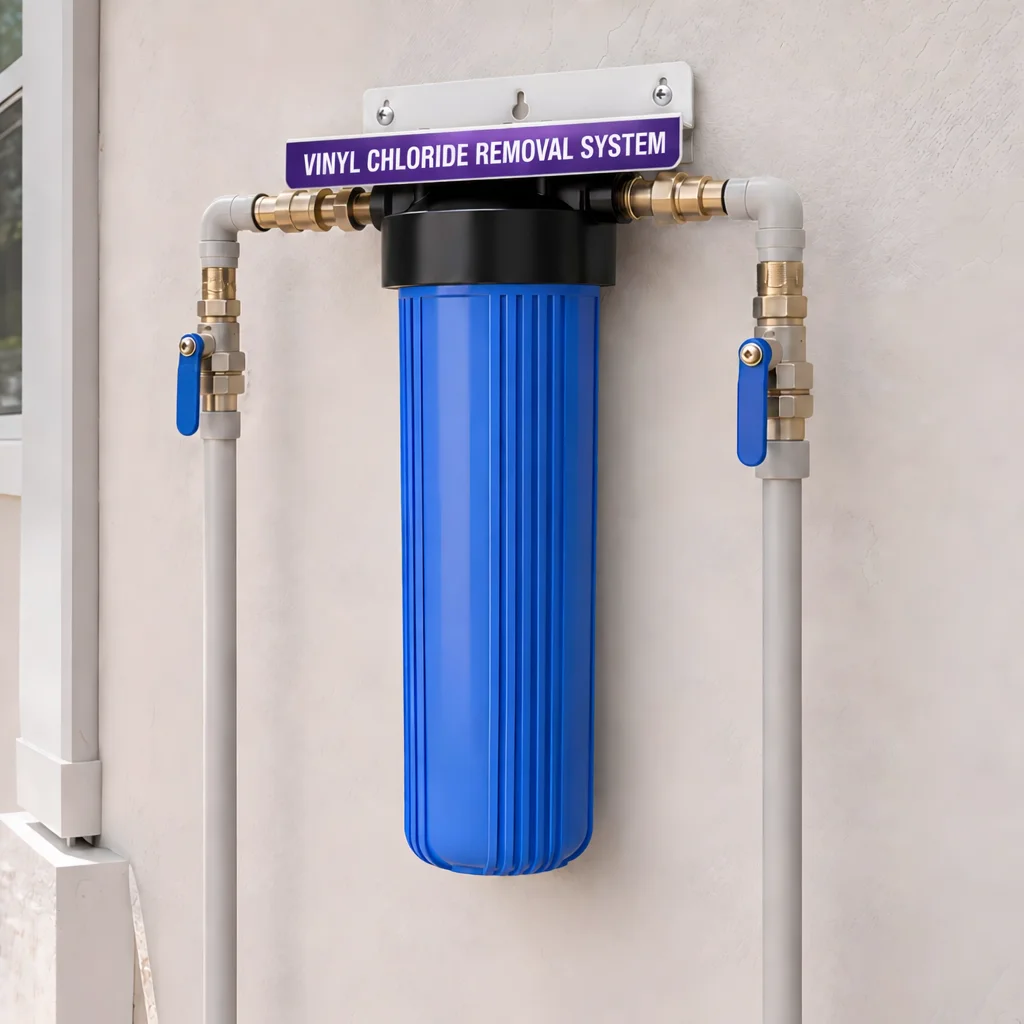
For reducing vinyl chloride in a whole-house installation, the most effective single-filter option is a catalytic activated carbon tank formulated for VOC removal. Carbon adsorption captures many organic contaminants as water passes through, and catalytic carbon offers enhanced performance and faster reaction sites often preferred for volatile organics like vinyl chloride. Because maintaining adequate contact time matters, choosing a properly sized tank is important to achieve meaningful reduction in Hobe Sound homes.
Mr. Pure Water installs whole-house catalytic carbon systems at the point of entry so treated water reaches showers, sinks, and appliances across your Hobe Sound property. One properly designed tank protects the whole home without relying on multiple under-sink units. As the carbon media gradually becomes saturated it will need replacement on a schedule matched to your water quality and usage, and pre- and post-install testing helps confirm the system is performing as expected.
 772-290-5223
 info@bestwaterheater.com

