 Phone: 305-404-8790
 info@bestwaterheater.com
Phone: 305-404-8790
info@bestwaterheater.com
info@bestwaterheater.com
Phone: 305-404-8790
info@bestwaterheater.com
 Phone: 305-404-8790
info@bestwaterheater.com
Phone: 305-404-8790
info@bestwaterheater.com

Including filter system and high-performance Vinyl Chloride filter.


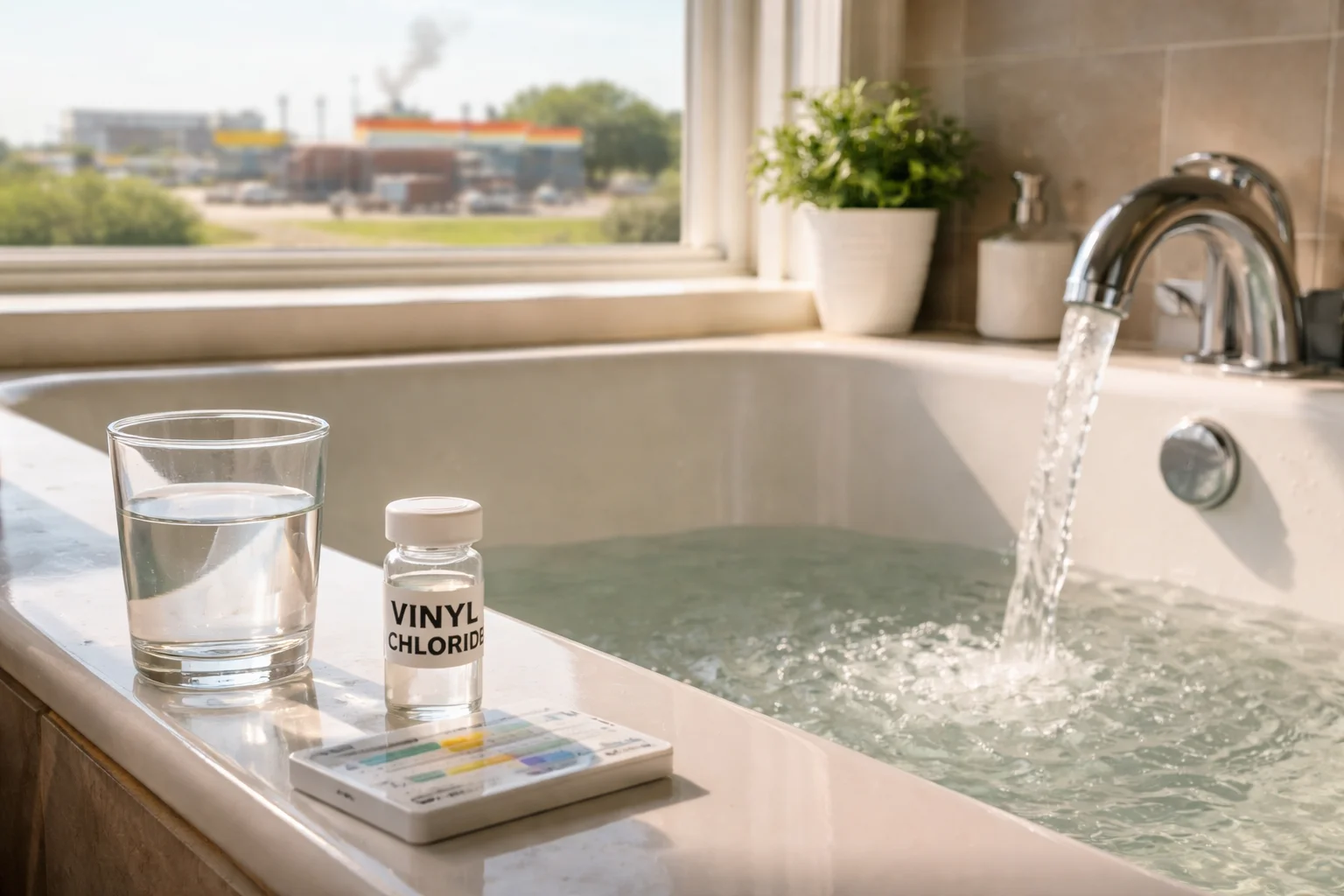
Vinyl chloride is a synthetic chemical linked to plastic and industrial solvent use, and it can enter drinking water when those materials break down or leach. Because it often produces no taste, smell, or color change, homeowners in Islamorada, Village of Islands may not notice it without laboratory testing for volatile organic compounds (VOCs). If a VOC screen or targeted test shows vinyl chloride, it’s wise to consider steps that reduce exposure throughout the house rather than relying on chance detection.
Even if vinyl chloride shows up only in kitchen samples, it can still affect everyday activities like cooking, making coffee, brushing teeth, and filling pet bowls. Many families in the Florida Keys prefer a whole-house solution so every faucet — from showers after a day at Anne’s Beach to outdoor hose bibs on Upper Matecumbe Key — dispenses treated water. A single system helps ensure safer water for bathing and laundry as well, which suits the consistent, dependable treatment expectations of Islamorada homeowners.
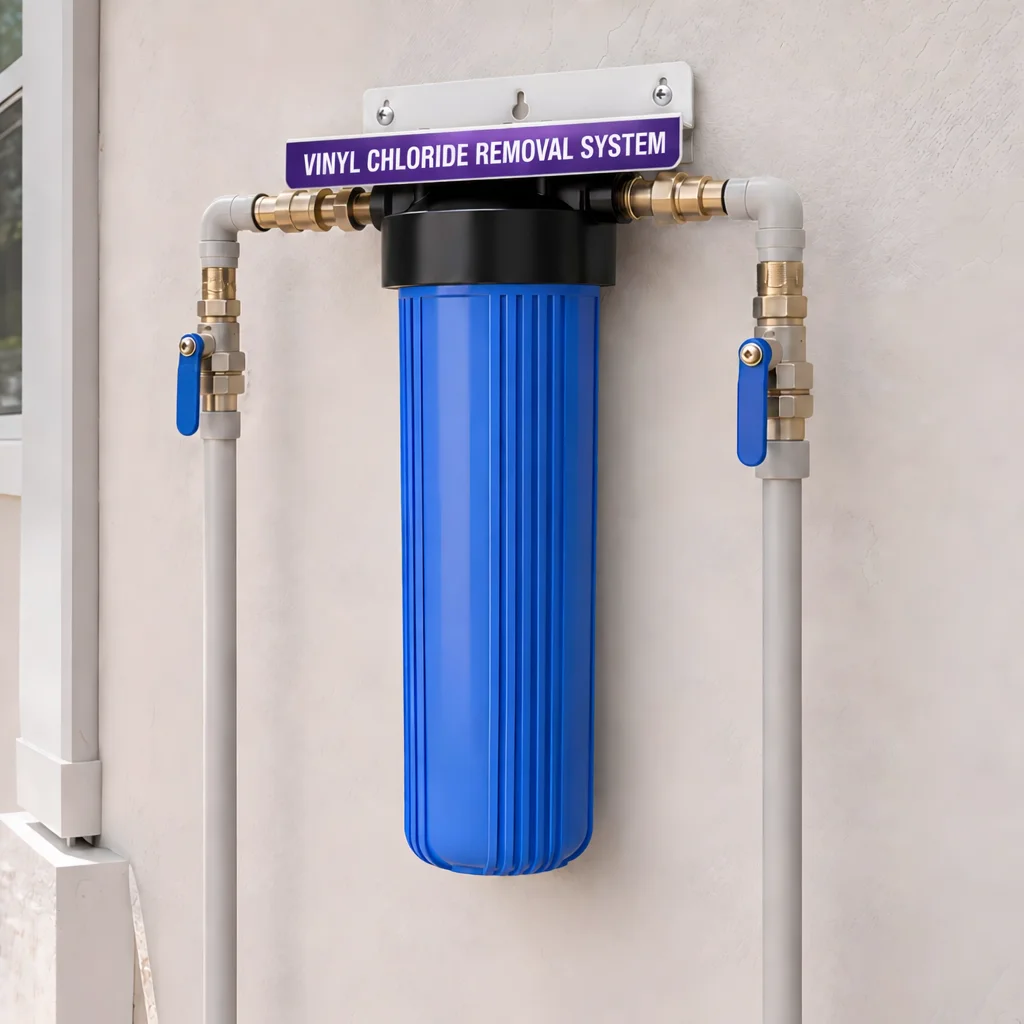
For vinyl chloride, the best single-filter choice for whole-house protection is a catalytic activated carbon tank built for VOC reduction. Activated carbon removes many organic contaminants by adsorption as water flows through, and catalytic carbon is selected when stronger VOC performance is needed. Because vinyl chloride is volatile and managed as a VOC, carbon-based adsorption is the primary proven method, and a correctly sized tank preserves contact time for meaningful reduction — important in coastal, moderate-hardness water like that around Islamorada.
Mr. Pure Water installs catalytic carbon whole-house systems at the main water entry so treated water reaches showers, sinks, appliances, and irrigation across the Village of Islands. One properly maintained tank avoids the hassle of multiple point-of-use devices. Carbon media will gradually saturate, so replacements are scheduled based on your household use and water quality; regular testing before and after installation helps confirm the system is delivering the expected reduction.
 305-404-8790
 info@bestwaterheater.com

