 Phone: 772-290-5223
 info@bestwaterheater.com
Phone: 772-290-5223
info@bestwaterheater.com
info@bestwaterheater.com
Phone: 772-290-5223
info@bestwaterheater.com
 Phone: 772-290-5223
info@bestwaterheater.com
Phone: 772-290-5223
info@bestwaterheater.com

Including filter system and high-performance Vinyl Chloride filter.


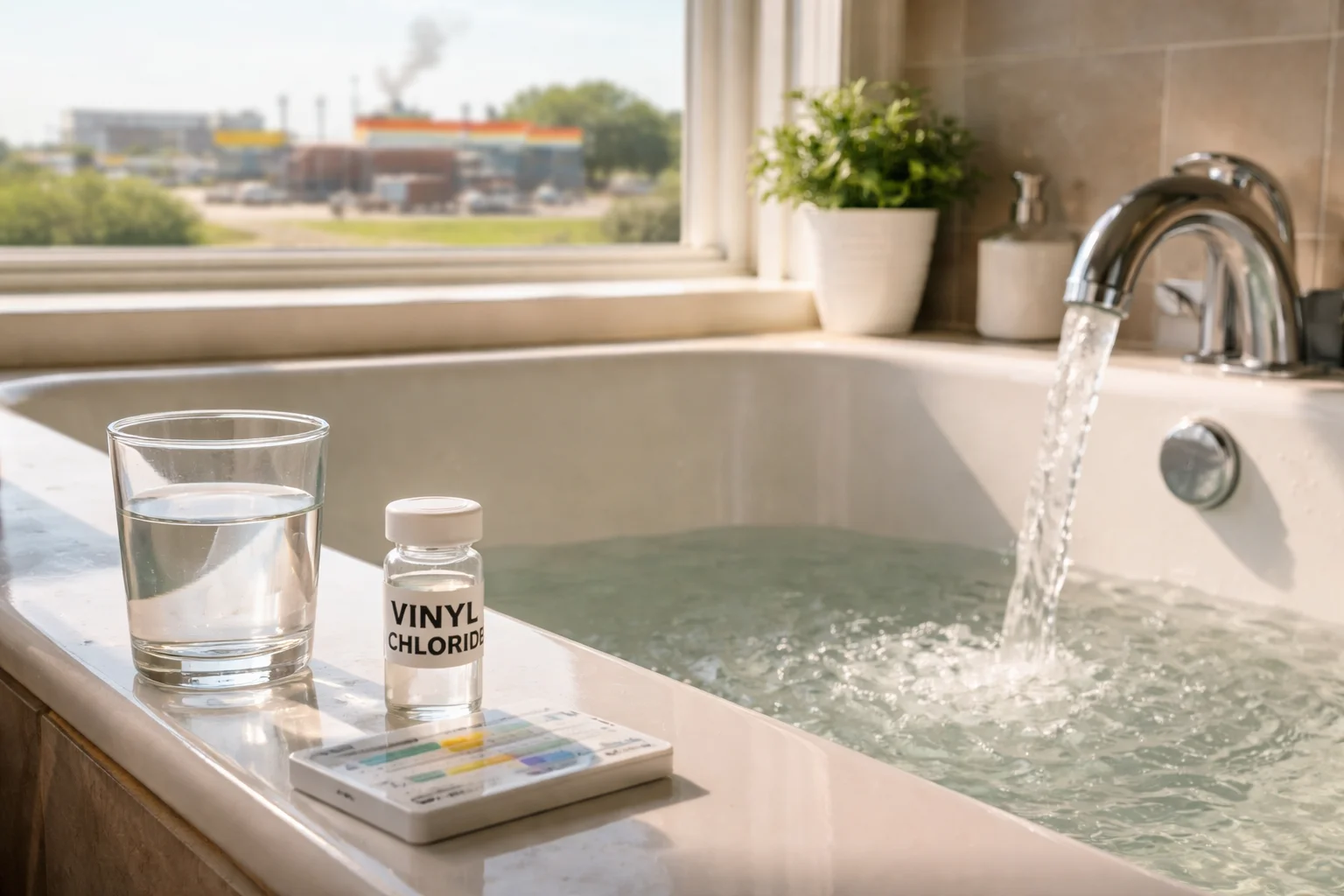
Vinyl chloride is a synthetic chemical commonly linked to plastics production and can enter drinking water when industrial solvents break down or certain materials leach over time. Because it doesn’t always change a water’s taste, smell, or appearance, homeowners in Lely might not notice it without testing. The most reliable way to detect vinyl chloride is a water test that screens for volatile organic compounds (VOCs). If testing shows vinyl chloride, it’s sensible to consider steps that reduce exposure throughout your home.
Even small amounts of vinyl chloride at a single faucet can affect routine tasks like cooking, making coffee, brushing teeth, or filling pet bowls — and many Lely families prefer a whole-house solution to treat water at every tap. A single, well-designed system makes treated water available for showers, laundry, and outdoor use as well as the kitchen, which is especially helpful in high-use, humid South Florida homes. The objective is straightforward: dependable, home-wide treatment that matches local water use and conditions.
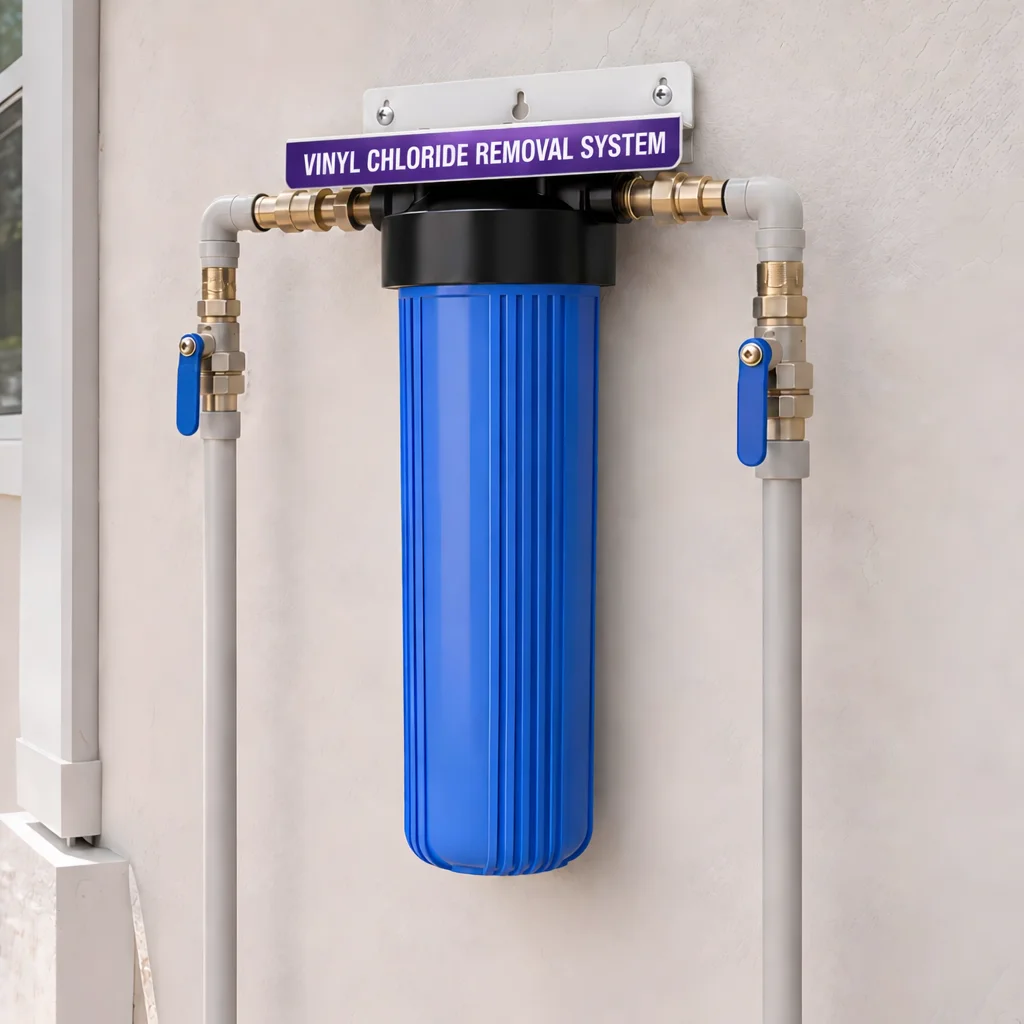
When addressing vinyl chloride in a whole-house setup, the most effective single-filter option is a catalytic activated carbon tank engineered for VOC reduction. Activated carbon removes many organic compounds by adsorption as water flows through the media, and catalytic carbon is selected when homeowners want enhanced performance for VOCs and improved reaction sites. Because vinyl chloride is volatile and handled as a VOC, carbon-based adsorption is a primary and proven approach, and a correctly sized tank ensures the contact time needed for meaningful reduction.
Mr. Pure Water installs whole-house catalytic carbon systems at the point of entry so Lely homes receive treated water at every fixture — showers, sinks, and appliances all benefit from one central unit. Like any carbon media, the tank’s effectiveness depends on water demand and quality, so the carbon is replaced on a schedule tailored to local conditions, including the region’s hard, mineral-rich groundwater. We recommend testing before and after installation to verify the system is delivering the reduction you expect.
 772-290-5223
 info@bestwaterheater.com

