 Phone: 954-208-3500
 info@bestwaterheater.com
Phone: 954-208-3500
info@bestwaterheater.com
info@bestwaterheater.com
Phone: 954-208-3500
info@bestwaterheater.com
 Phone: 954-208-3500
info@bestwaterheater.com
Phone: 954-208-3500
info@bestwaterheater.com

Including filter system and high-performance Vinyl Chloride filter.


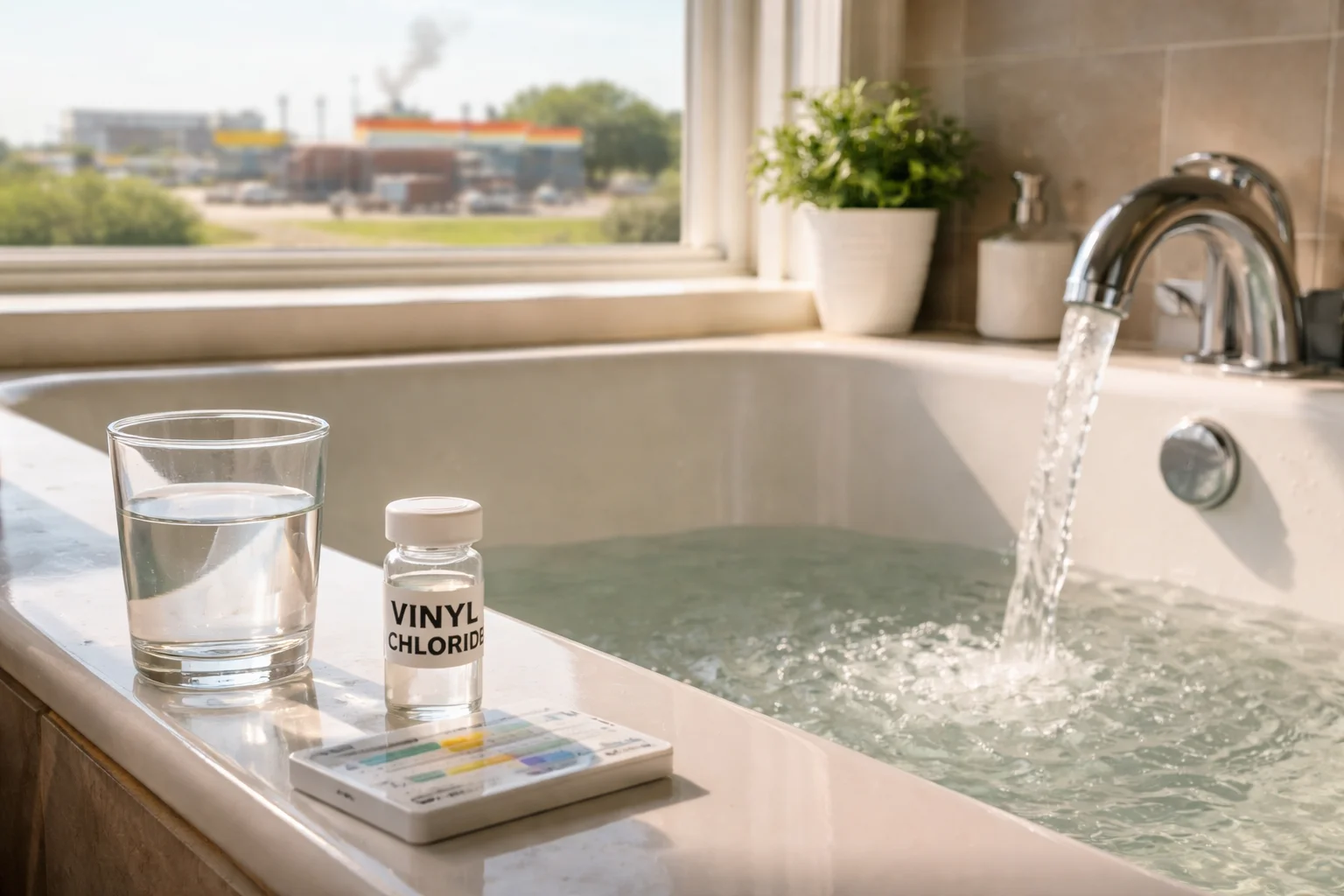
Vinyl chloride is a synthetic chemical tied to plastics production that can enter drinking water when industrial solvents break down or materials leach over time. Because it doesn’t always affect taste, smell, or appearance, homeowners in North Pompano Beach and Broward County might not notice it without a lab test that checks for volatile organic compounds (VOCs). If your water test flags vinyl chloride, it’s wise to pursue steps that reduce exposure throughout the house rather than relying on chance.
Even if concerns show up at just one faucet, vinyl chloride can touch everyday tasks like cooking, making coffee, brushing teeth, or filling pet bowls—activities familiar to families across North Pompano Beach neighborhoods from Palm Aire to Harbor Village. Many local homeowners opt for whole-house treatment so every tap and shower delivers treated water, and so appliances and laundry aren’t handling unfiltered water. In a hot, humid climate with hard municipal water, a whole-home solution aims to deliver steady, dependable protection tailored to typical household use.
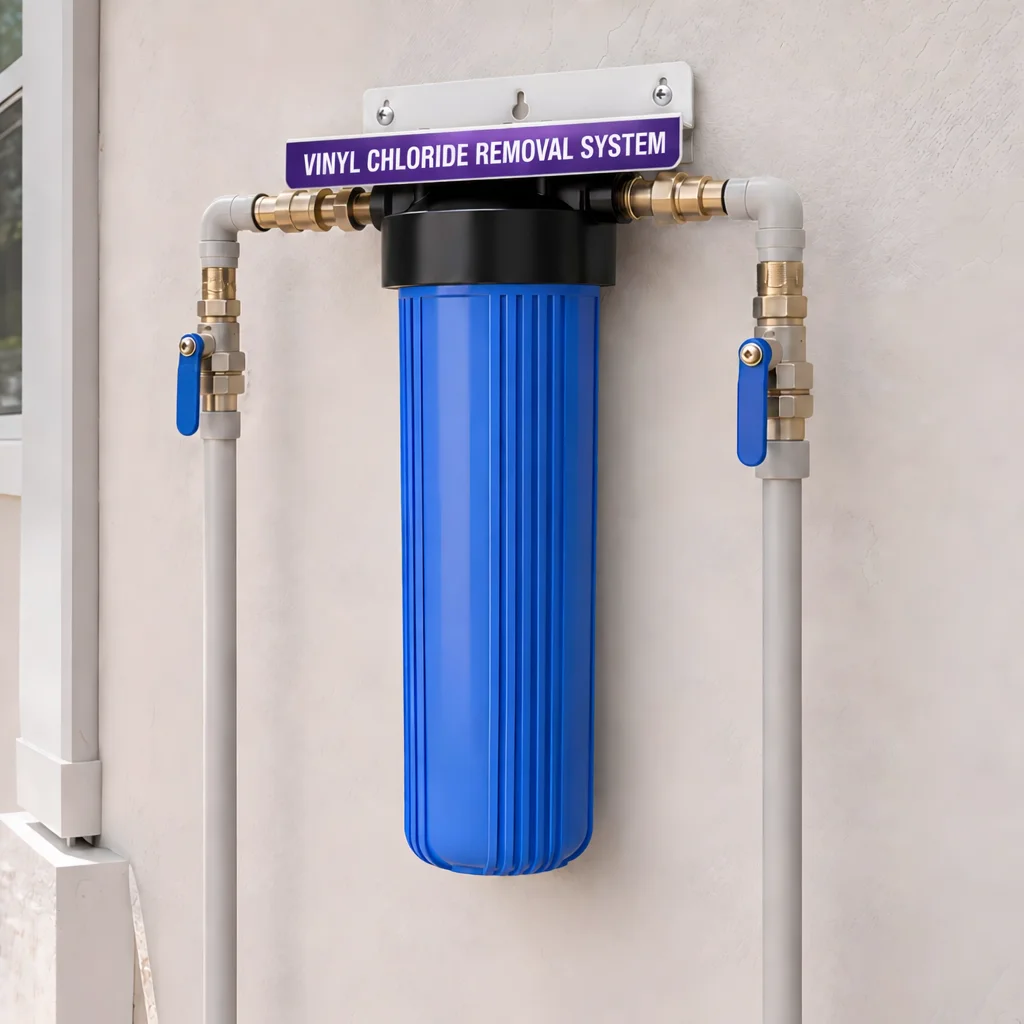
The single most effective whole-house filter for vinyl chloride is a catalytic activated carbon tank built for VOC reduction. Activated carbon adsorbs organic contaminants as water flows through, and catalytic carbon offers enhanced performance for many VOCs with more reactive sites. Because vinyl chloride is treated as a volatile organic compound, carbon-based adsorption is a primary, proven approach, and a correctly sized tank ensures adequate contact time to achieve meaningful removal.
At Mr. Pure Water we install whole-house catalytic carbon systems so treatment begins where water enters your North Pompano Beach home—protecting showers, sinks, water-using appliances, and the kitchen from a single point. The carbon media does need periodic replacement as it becomes saturated; scheduling changes depend on your household water use and the local water quality, including hard water tendencies in this area. We also recommend testing before and after installation to confirm the system is performing as expected for your home.
 954-208-3500
 info@bestwaterheater.com

