 Phone: 305-404-8790
 info@bestwaterheater.com
Phone: 305-404-8790
info@bestwaterheater.com
info@bestwaterheater.com
Phone: 305-404-8790
info@bestwaterheater.com
 Phone: 305-404-8790
info@bestwaterheater.com
Phone: 305-404-8790
info@bestwaterheater.com

Including filter system and high-performance Vinyl Chloride filter.


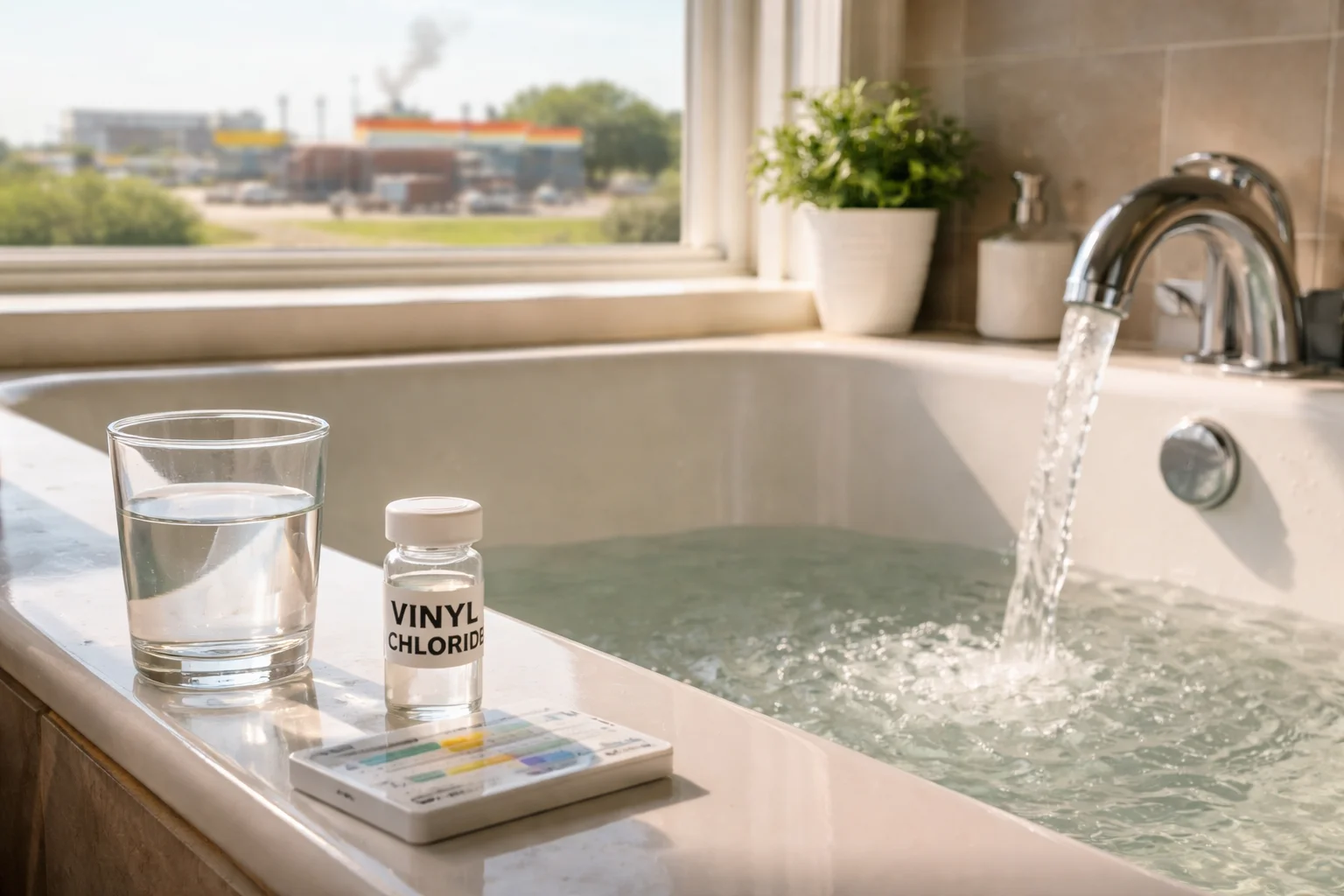
Vinyl chloride is a synthetic chemical tied to plastics production that can enter drinking water when industrial solvents break down or when certain materials leach over time. Because it doesn’t always change taste, smell, or appearance, homeowners in Palmetto Estates and nearby Miami‑Dade communities may not know it’s present without testing. The reliable way to detect it is through a water report that includes volatile organic compounds (VOCs); if vinyl chloride shows up, taking steps to lower exposure throughout the house makes sense for peace of mind.
Even if vinyl chloride is only found at the kitchen tap, it can influence everyday tasks like cooking, making coffee, brushing teeth, and filling pet bowls. Many families around Palmetto Estates prefer a whole‑house solution so treated water is delivered to every fixture — showers, laundry, and outdoor spigots included — rather than relying solely on a point‑of‑use filter. With Miami‑Dade’s hard, mineral‑rich groundwater and year‑round water use, homeowners often choose a consistent, whole‑home treatment that keeps performance steady across daily routines.
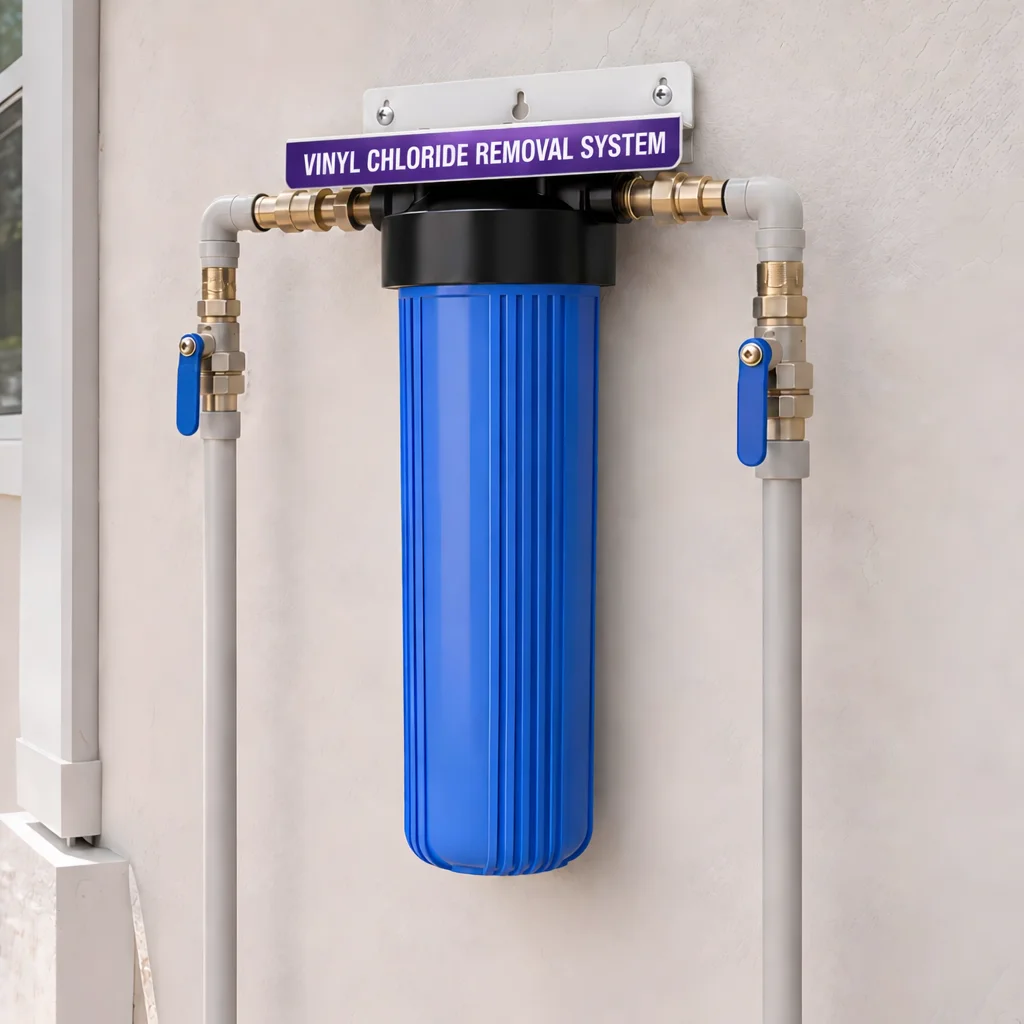
The most effective single‑filter option for vinyl chloride in a whole‑house system is a catalytic activated carbon tank engineered for VOC reduction. Catalytic carbon adsorbs many organic contaminants as water flows through the media and offers enhanced performance for volatile compounds like vinyl chloride. Because this contaminant is treated as a VOC, carbon‑based adsorption is the primary, proven approach, and a correctly sized tank ensures sufficient contact time for meaningful reduction.
Mr. Pure Water installs whole‑house catalytic carbon systems at the main water entry to protect every tap in Palmetto Estates — from showers to the kitchen to outdoor hoses. One properly designed tank can serve the whole property, avoiding multiple small filters while handling the hard, mineral‑rich groundwater common in Miami‑Dade County. Carbon media will eventually become saturated and should be replaced on a schedule based on your water use and quality; testing before and after installation helps confirm the system is delivering the results you expect.
 305-404-8790
 info@bestwaterheater.com

