 Phone: 954-208-3500
 info@bestwaterheater.com
Phone: 954-208-3500
info@bestwaterheater.com
info@bestwaterheater.com
Phone: 954-208-3500
info@bestwaterheater.com
 Phone: 954-208-3500
info@bestwaterheater.com
Phone: 954-208-3500
info@bestwaterheater.com

Including filter system and high-performance Vinyl Chloride filter.


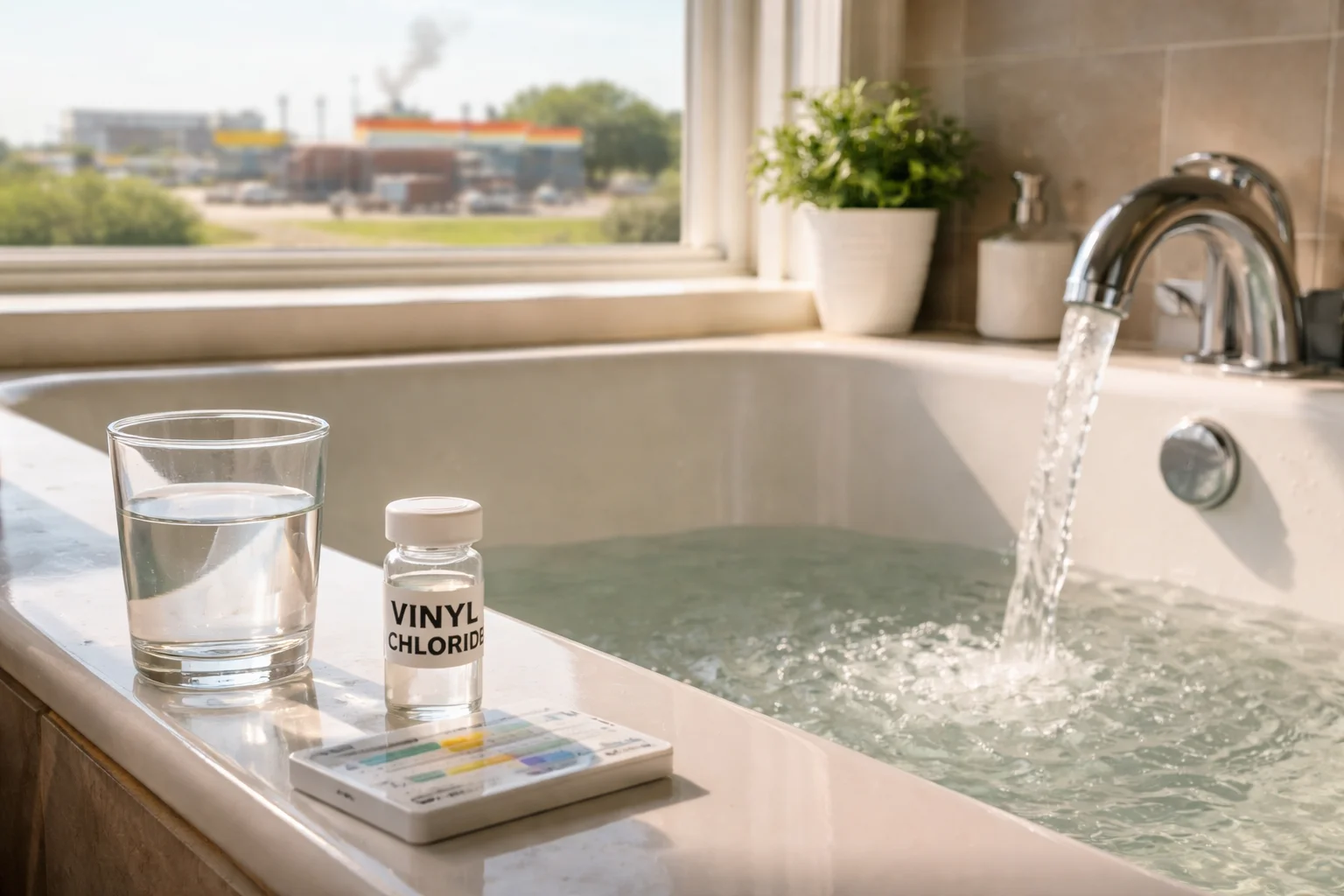
Vinyl chloride is a synthetic chemical tied to plastics and industrial solvents that can find its way into drinking water when materials break down or contaminants migrate. Because it often produces no taste, smell, or visible change, homeowners in Weston may have no obvious sign it’s present—especially with our region’s typical hard water masking some issues. The only reliable way to know is a water test that screens for volatile organic compounds (VOCs). If testing shows vinyl chloride (also known as chloroethene or chloroethylene), consider steps to limit household exposure across all taps.
Even if concerns start at the kitchen sink, vinyl chloride can affect everyday activities like cooking, making coffee, brushing teeth, and filling pet bowls in Weston households. Many local families choose whole-house treatment so treated water is available throughout the home — in showers, laundry machines, and outdoor spigots as well as faucets — rather than relying on a single point-of-use filter. In a Broward County home where scale from hard water is common, a single, comprehensive system also simplifies maintenance and ensures consistent protection for all water uses.
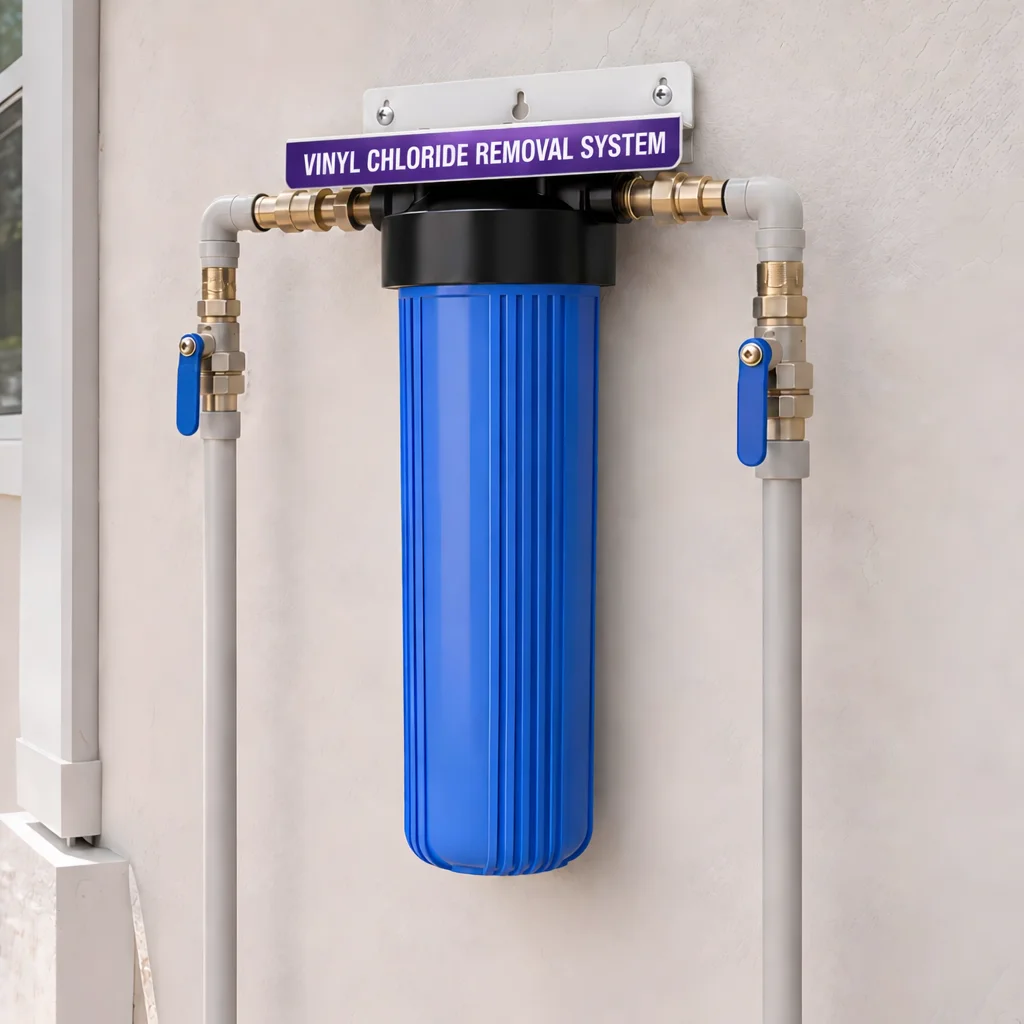
The most effective single-filter option for whole-house removal of vinyl chloride is a catalytic activated carbon tank engineered for VOC reduction. Catalytic carbon adsorbs many organic contaminants as water moves through the media and is frequently selected for stronger performance against volatile organics. Because vinyl chloride behaves like a VOC, carbon-based adsorption is a primary, well-established approach; a properly sized catalytic carbon tank also provides the contact time needed for meaningful reduction in a full-home setup.
Mr. Pure Water installs whole-house catalytic carbon systems at the point where water enters Weston homes so a single unit protects showers, sinks, appliances, and irrigation alike. Carbon media will eventually reach capacity and require scheduled replacement based on your household’s water use and quality — a routine that’s especially relevant in hard-water areas to prevent performance loss and scale-related issues. We recommend testing before and after installation to verify the system is delivering the reduction you expect.
 954-208-3500
 info@bestwaterheater.com

