 Phone: 850-772-1365
 info@bestwaterheater.com
Phone: 850-772-1365
info@bestwaterheater.com
info@bestwaterheater.com
Phone: 850-772-1365
info@bestwaterheater.com
 Phone: 850-772-1365
info@bestwaterheater.com
Phone: 850-772-1365
info@bestwaterheater.com

Including filter system and high-performance Waterborne Viruses filter.


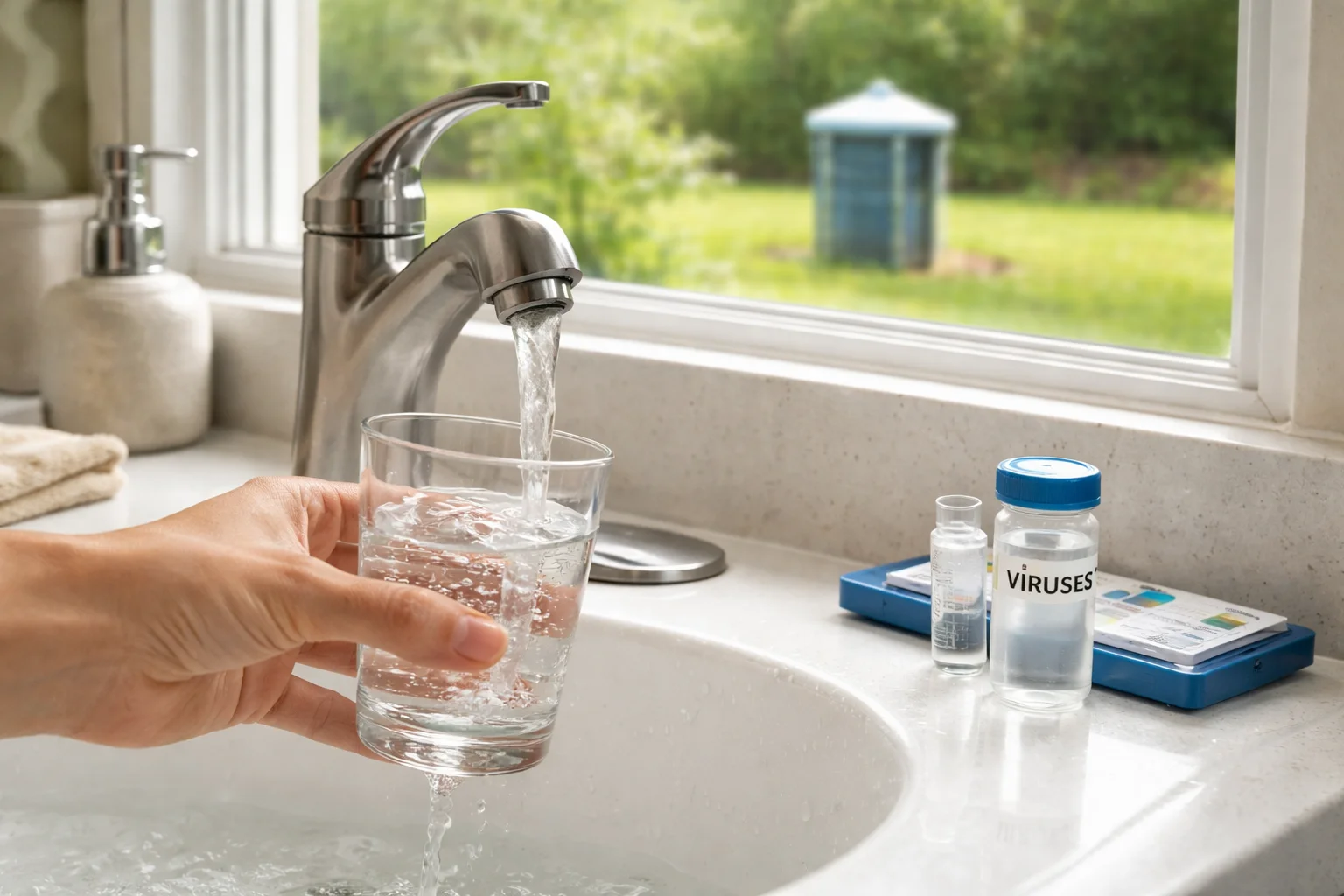
Waterborne viruses can get into a home’s supply when sewage or animal waste affects a source or when treatment and distribution are strained. Because these viruses are microscopic, you usually won’t be able to see, taste, or smell them in Choctaw’s water, which is why many local homeowners choose an extra layer of protection beyond standard treatment. That added step helps guard water used for drinking, cooking, and brushing teeth.
Viruses differ from sediment or common taste-and-odor problems because they’re tiny enough to pass through filters that only block particles, and they’re not the same as larger bacteria that are often easier to trap. For families in Choctaw who want greater confidence in the water throughout their home, it makes sense to prioritize filtration or treatment methods designed specifically to reduce microbial contaminants at the main entry point.
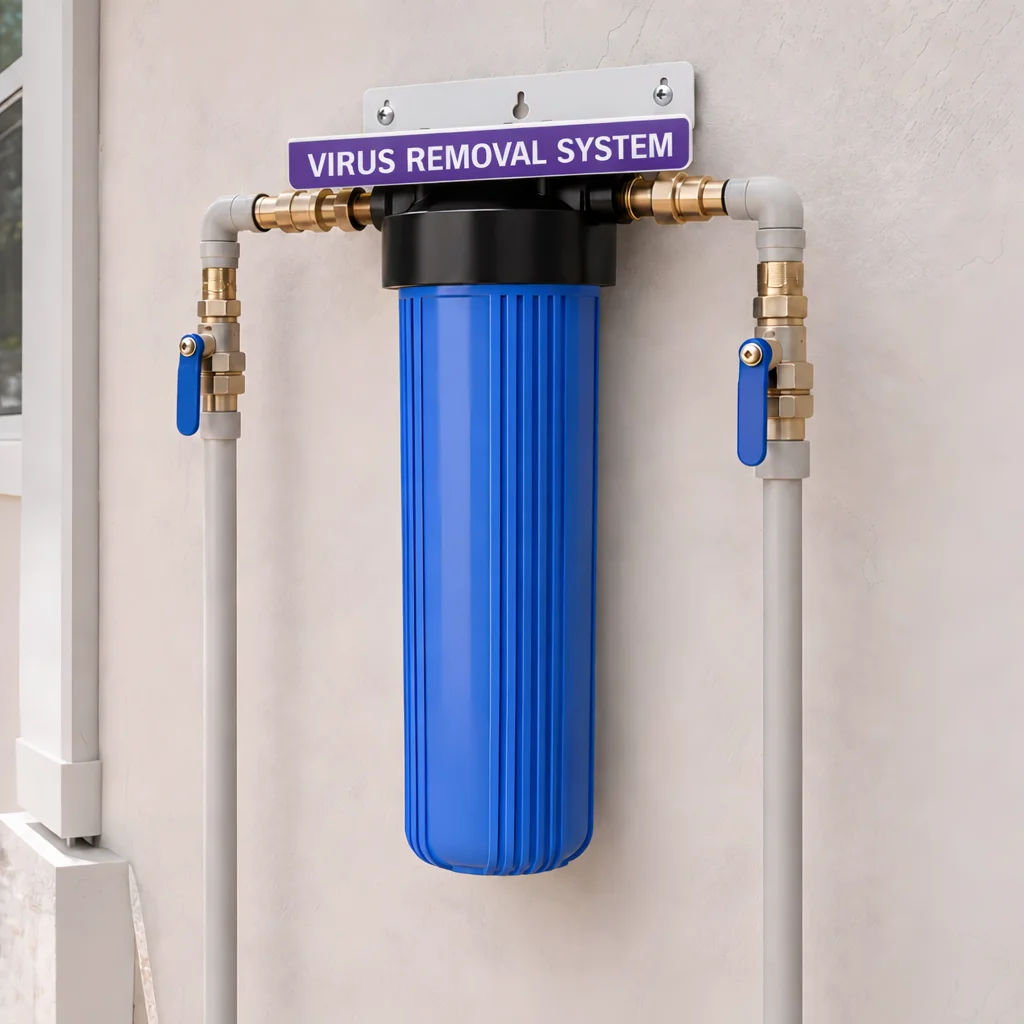
A whole-house UV disinfection system is commonly the single most effective treatment homeowners can install at the main line for protection against waterborne viruses. UV systems expose flowing water to ultraviolet light inside a sealed chamber, inactivating microorganisms like viruses without adding chemicals. Because the unit treats water on demand and doesn’t rely on a storage tank, it protects every tap in a Choctaw home continuously as water flows.
UV systems work best when water is clear, so they’re often paired with a prefilter to remove sediment that could shield viruses from the light. Proper sizing for your household flow rate and routine lamp and sleeve maintenance are important to keep the system performing. With the right whole-house UV unit selected for a Choctaw residence, homeowners gain a practical, targeted barrier against viruses entering the home’s plumbing.
 850-772-1365
 info@bestwaterheater.com

