 Phone: 772-290-5223
 info@bestwaterheater.com
Phone: 772-290-5223
info@bestwaterheater.com
info@bestwaterheater.com
Phone: 772-290-5223
info@bestwaterheater.com
 Phone: 772-290-5223
info@bestwaterheater.com
Phone: 772-290-5223
info@bestwaterheater.com

Including filter system and high-performance Xylene filter.


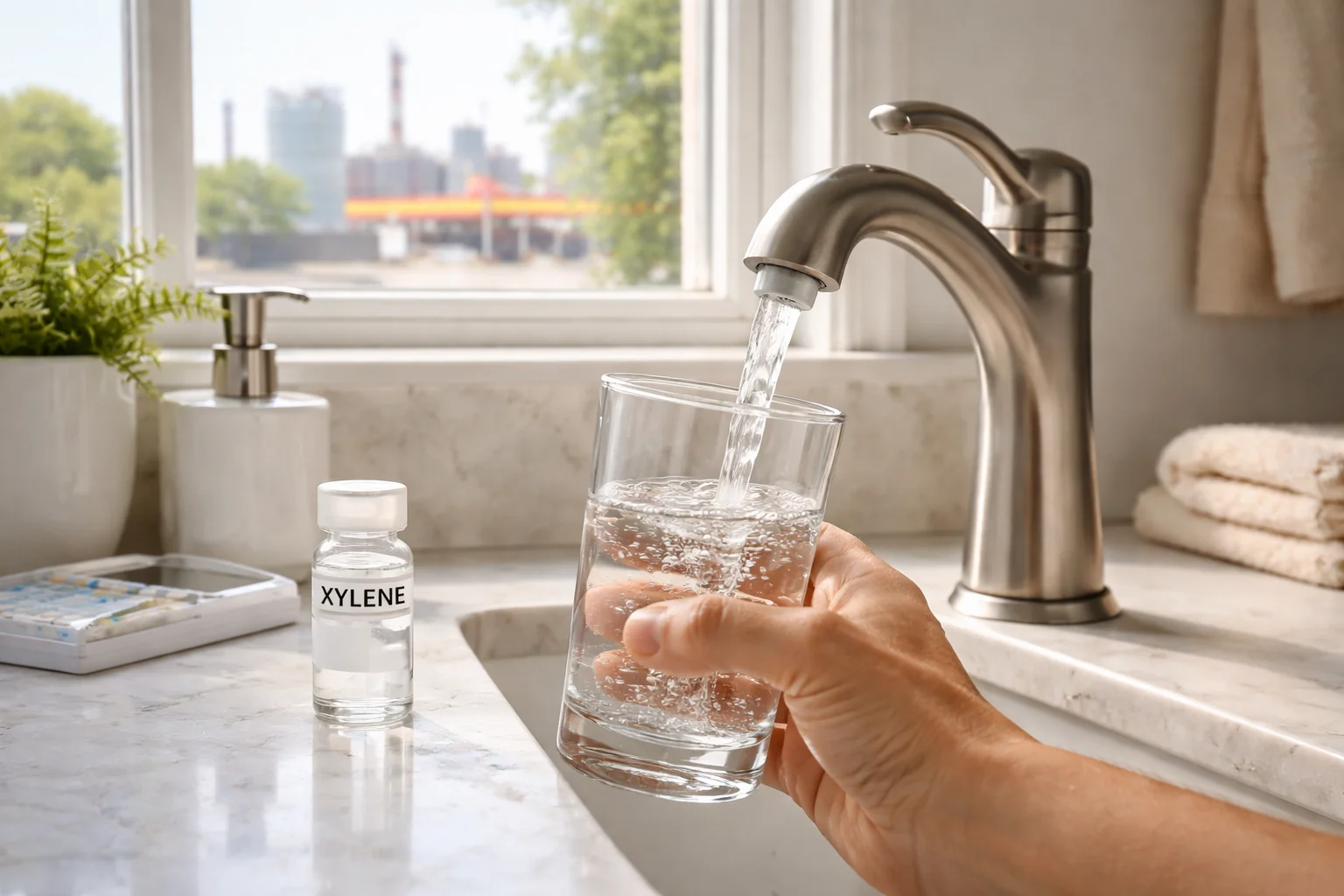
Xylene refers to a family of solvent compounds—often called xylenes—that can reach household water when petroleum products or industrial chemicals contaminate groundwater or source supplies. Because these are organic solvents rather than minerals, you won’t always see them in your glass, but their presence can shake your confidence in local water quality. In Blowing Rocks and nearby Martin County communities, homeowners typically begin investigating after noticing an unusual taste or odor, or when a private lab test flags xylenes in well or tap samples.
As a volatile organic compound (VOC), xylene is commonly associated with fuels, degreasers, and some coatings—not with routine disinfectants or dissolved minerals. Spills, leaks, or improper disposal can allow it to migrate into groundwater and remain detectable at the tap. Because VOCs don’t always announce themselves with a strong smell, testing is the reliable way to determine whether xylenes are present in your water, especially for coastal Blowing Rocks homes where wellheads and coastal influences can complicate source water characteristics.
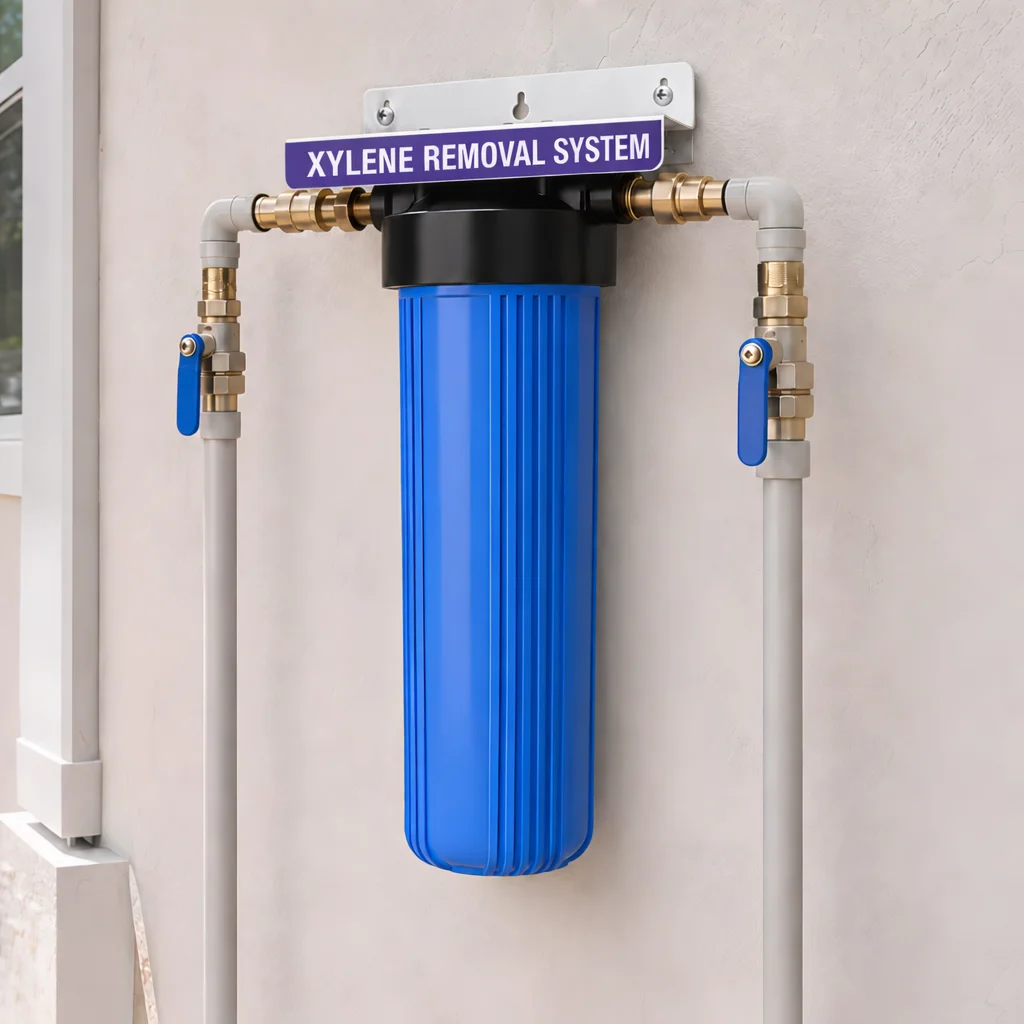
For whole-house protection, a catalytic carbon filter is the single-filter option most effective at reducing VOCs such as xylene. Catalytic carbon removes organics by adsorption as water passes through a media bed with very high surface area, and it’s formulated to be more reactive than standard activated carbon for tougher compounds. When installed at the point where water enters a Blowing Rocks home, this approach treats water used in every shower, faucet, and appliance.
Sizing a catalytic carbon system correctly—giving enough media and contact time for your home’s peak flow—is essential for steady xylene reduction, and it also helps cut other taste- and odor-causing organics that may accompany xylenes. Mr. Pure Water configures systems to handle the hard, often mineral-rich water common around Blowing Rocks and the Treasure Coast so the filter performs without creating pressure problems or excess scale. If you have a recent water test from your well or tap, we’ll use it to recommend the right catalytic carbon capacity for your home.
 772-290-5223
 info@bestwaterheater.com

