 Phone: 305-404-8790
 info@bestwaterheater.com
Phone: 305-404-8790
info@bestwaterheater.com
info@bestwaterheater.com
Phone: 305-404-8790
info@bestwaterheater.com
 Phone: 305-404-8790
info@bestwaterheater.com
Phone: 305-404-8790
info@bestwaterheater.com

Including filter system and high-performance Xylene filter.


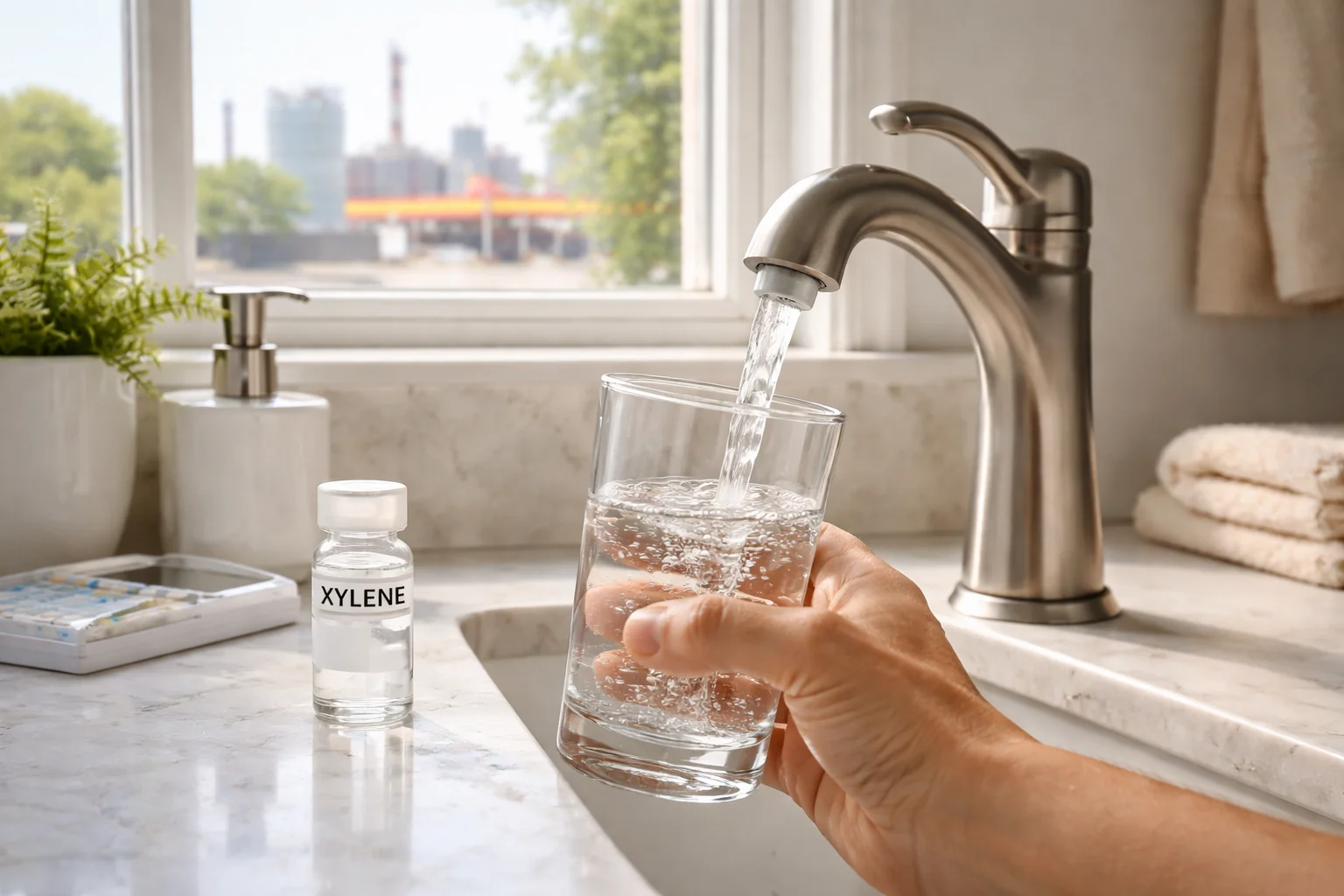
Xylene refers to a family of related solvents that can show up in household water when petroleum products or industrial chemicals reach source water. You may also see it called xylenes—people use the plural when talking about the group of compounds. Because it’s not visible, concerns often start with a change in taste or odor, or when a lab test flags xylenes in your sample; Duck Key homeowners who rely on municipal or desalinated supplies sometimes find testing is the only way to know for sure.
As a volatile organic compound (VOC), xylene is more commonly linked to fuels, degreasers, and coatings than to minerals or typical disinfectants. It can enter drinking water through spills, leaks, or improper disposal and may travel far enough to be detected at the tap. Many VOC issues don’t produce a clear smell, so the safest route for Duck Key residents is to have water tested—if xylenes appear on the report, you’ll want treatment that specifically targets VOCs.
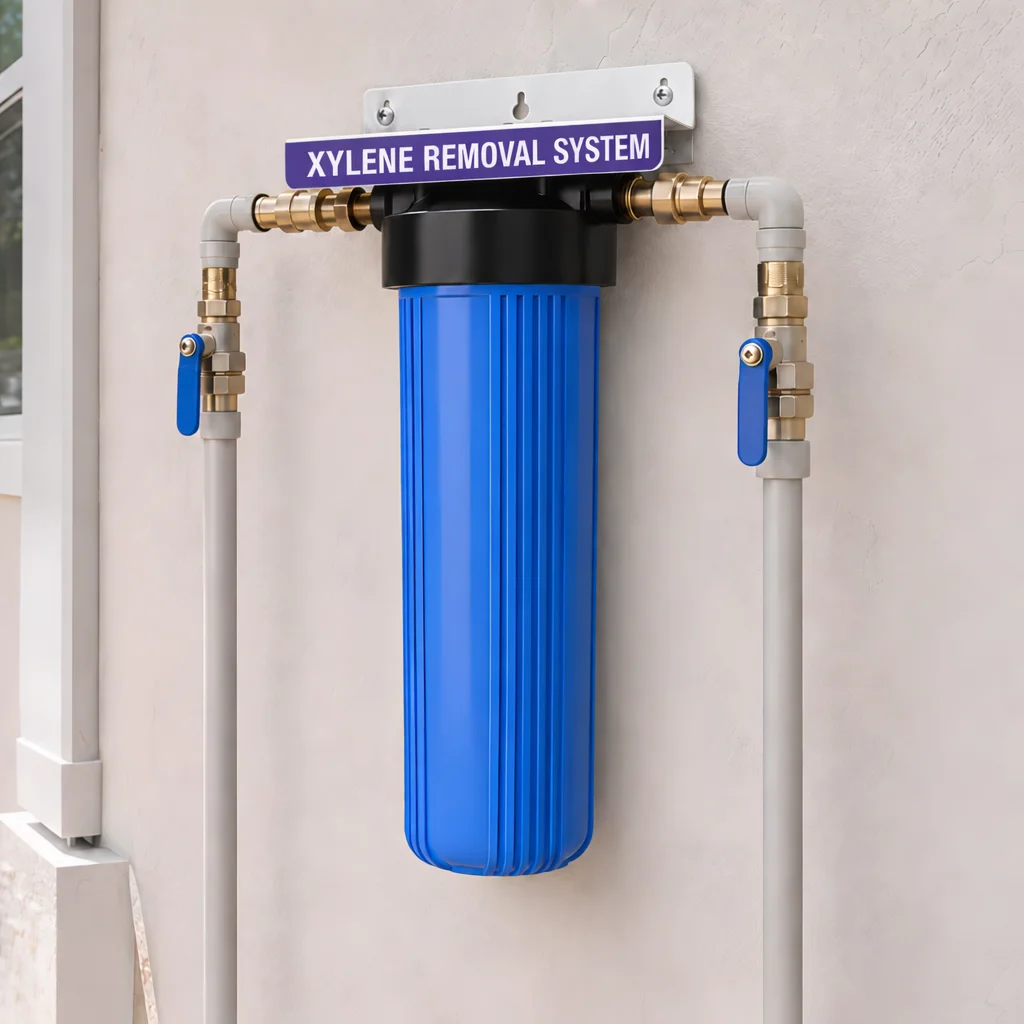
For whole-house treatment, a catalytic carbon filter is the single-filter choice we recommend for reducing VOCs such as xylene. Carbon removes organics by adsorption as water passes through a dense, high-surface-area media bed. Catalytic carbon is formulated to be more reactive than standard activated carbon, which helps it perform better on tougher organic contaminants. Putting one at the main water entry treats water for every shower, faucet, and appliance across your Duck Key property.
Sizing a catalytic carbon system correctly—ensuring enough media and contact time—is essential for dependable xylene reduction and for improving taste and odor from other organics. Mr. Pure Water configures systems to match your home’s flow needs so filtration keeps up without restricting supply, which is especially important in hard-water Duck Key homes where softening and scale control are common. If you have a recent lab report, we can review it to specify the best catalytic carbon setup for your house.
 305-404-8790
 info@bestwaterheater.com

