 Phone: 321-400-9302
 info@bestwaterheater.com
Phone: 321-400-9302
info@bestwaterheater.com
info@bestwaterheater.com
Phone: 321-400-9302
info@bestwaterheater.com
 Phone: 321-400-9302
info@bestwaterheater.com
Phone: 321-400-9302
info@bestwaterheater.com

Including filter system and high-performance Xylene filter.


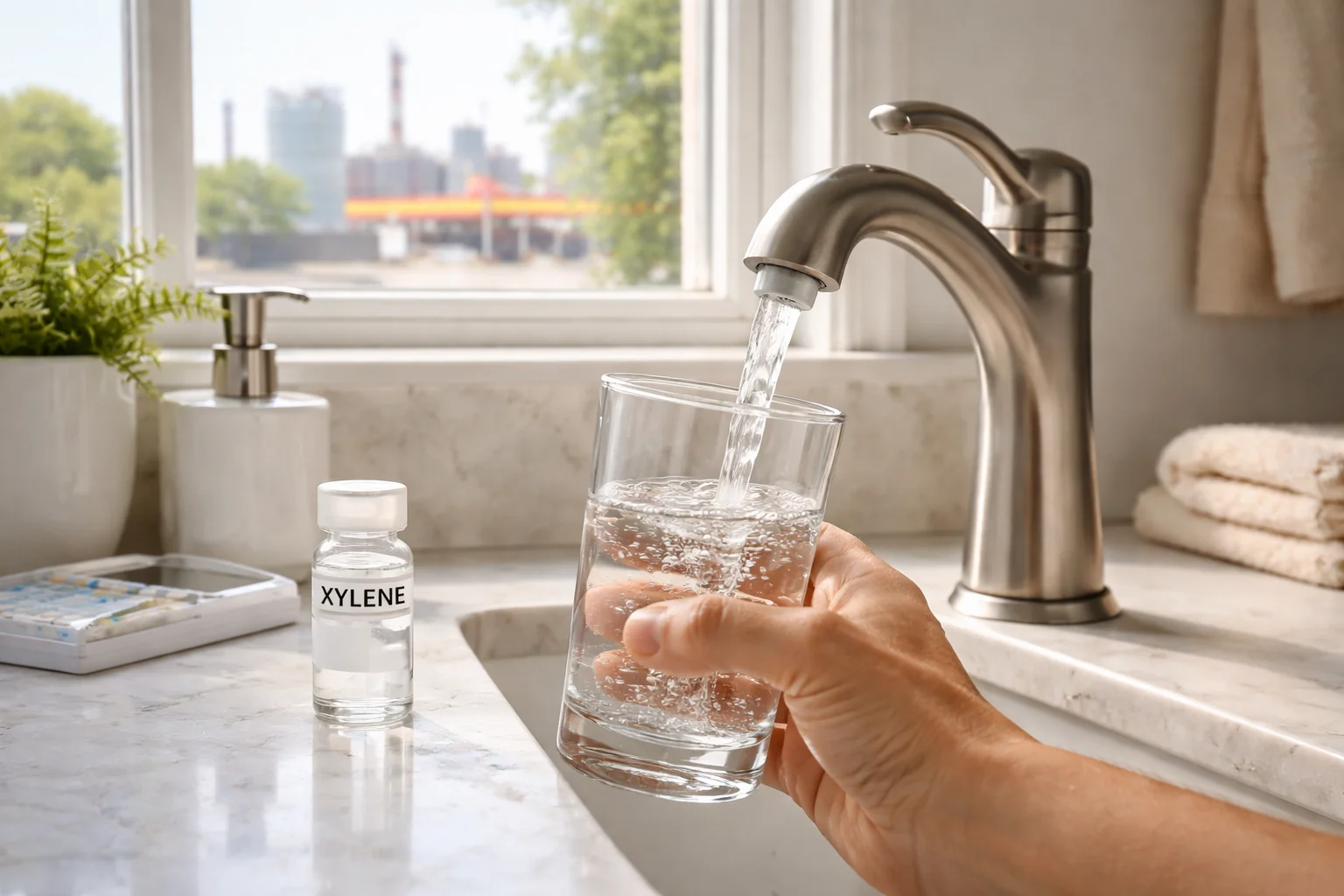
Xylene refers to a group of related solvent compounds that sometimes reach household water when petroleum products or industrial chemicals migrate into source water or groundwater. You may also see it called xylenes, since the term often describes several similar molecules rather than a single chemical. Because xylene isn’t always visible, spotting it usually starts when residents notice an unusual taste or odor, or after a lab test flags it—common triggers for Indialantic homeowners to ask about water quality.
As a volatile organic compound (VOC), xylene is most often associated with fuels, degreasing solutions, and some coatings instead of routine minerals or disinfectants. It can get into drinking water through spills, leaks, or improper disposal and may travel far enough to appear at the tap. Since VOCs like xylenes aren’t always obvious by smell, the reliable way to know if they’re present is a proper water test—especially useful for coastal Brevard County residents concerned about any unexpected contaminants.
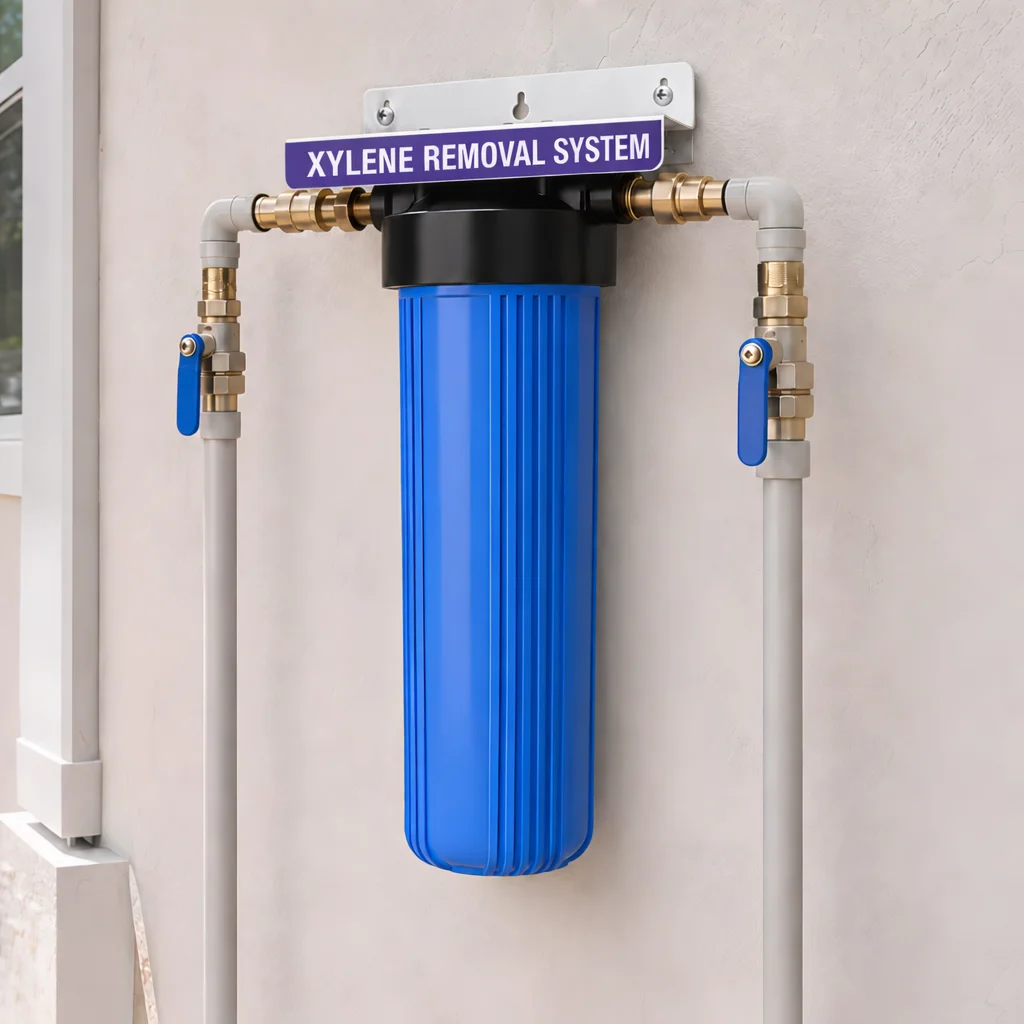
For treating water throughout the home, a catalytic carbon whole-house filter is generally the single most effective standalone option for reducing VOCs such as xylene. This media captures organics by adsorption as water passes through a large-surface-area bed; catalytic carbon is formulated to be more reactive than standard activated carbon, helping it perform better on challenging organic compounds. Installed at the main water entry, the system protects showers, faucets and appliances across Indialantic homes from affected water.
A correctly sized catalytic carbon system emphasizes adequate contact time and enough media volume—two critical factors for consistent xylene reduction. These systems also tend to lower other taste- and odor-causing organics, leaving water tasting fresher and cleaner despite Indialantic’s hard municipal supply and salty coastal air that can accelerate plumbing wear. Mr. Pure Water designs whole-house units to match your household flow needs so treatment keeps up with demand; if you have a recent lab report from a local test, we’ll use it to recommend the best configuration for your home.
 321-400-9302
 info@bestwaterheater.com

