 Phone: 305-404-8790
 info@bestwaterheater.com
Phone: 305-404-8790
info@bestwaterheater.com
info@bestwaterheater.com
Phone: 305-404-8790
info@bestwaterheater.com
 Phone: 305-404-8790
info@bestwaterheater.com
Phone: 305-404-8790
info@bestwaterheater.com

Including filter system and high-performance Xylene filter.


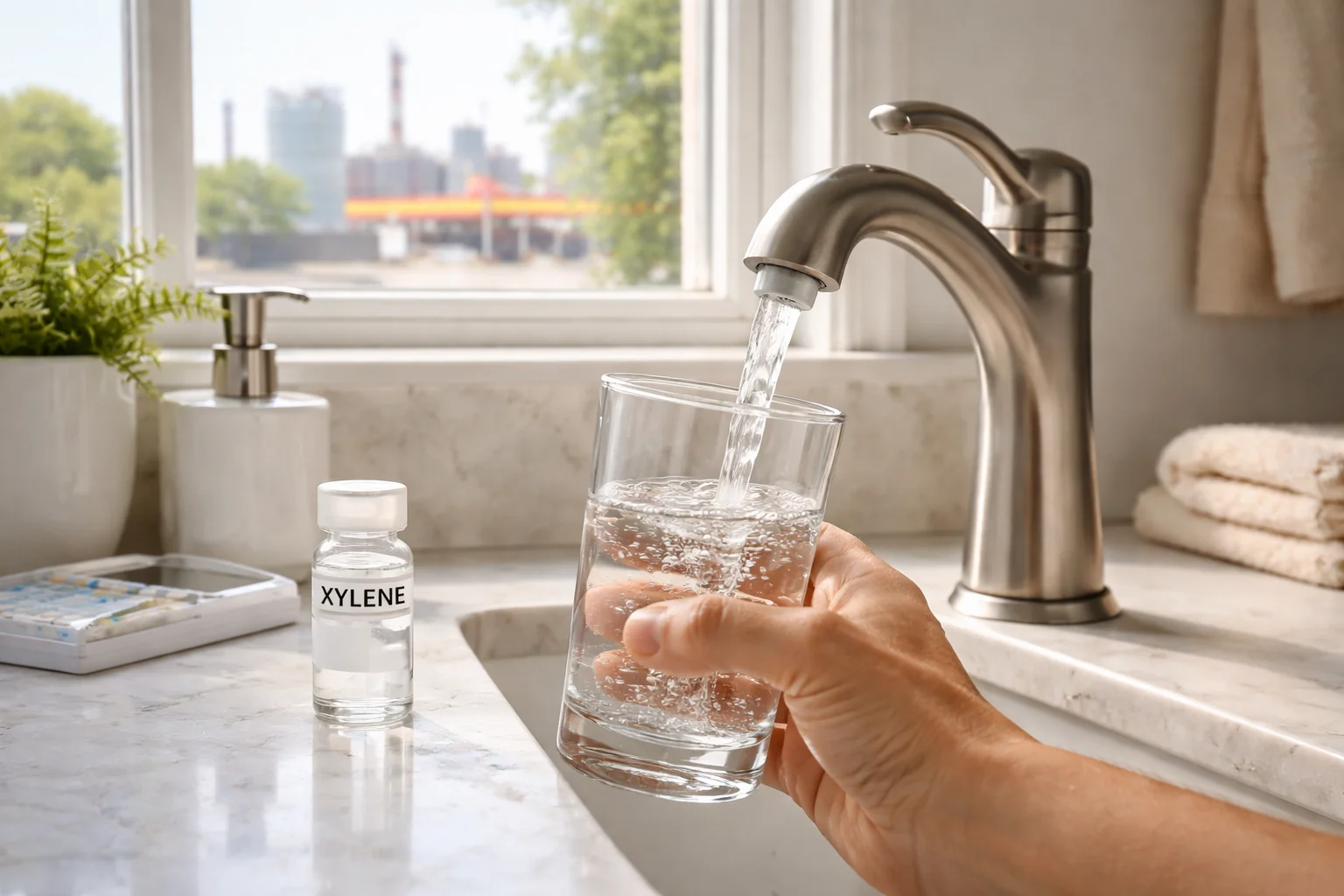
Xylene refers to a family of solvent compounds — often called xylenes — that can reach household water when petroleum products or industrial chemicals contaminate source supplies or groundwater. Because you can’t always see it, discovering xylenes in a test or noticing an unusual taste or odor is what usually gets Miami Springs homeowners asking questions about their water quality. Local residents who value clean water for drinking, cooking and bathing want straightforward answers when something out of the ordinary turns up.
As a volatile organic compound (VOC), xylene is commonly associated with fuels, degreasers and certain coatings rather than the minerals or disinfectants that make Miami‑Dade County water feel hard. Spills, leaks or improper disposal can introduce VOCs into groundwater and they can persist long enough to show up at the tap. Because some VOCs don’t have a clear smell, testing is the reliable way to confirm whether xylenes are present in your Miami Springs supply; if a sample indicates concern, you’ll want treatment targeted specifically at VOC removal.
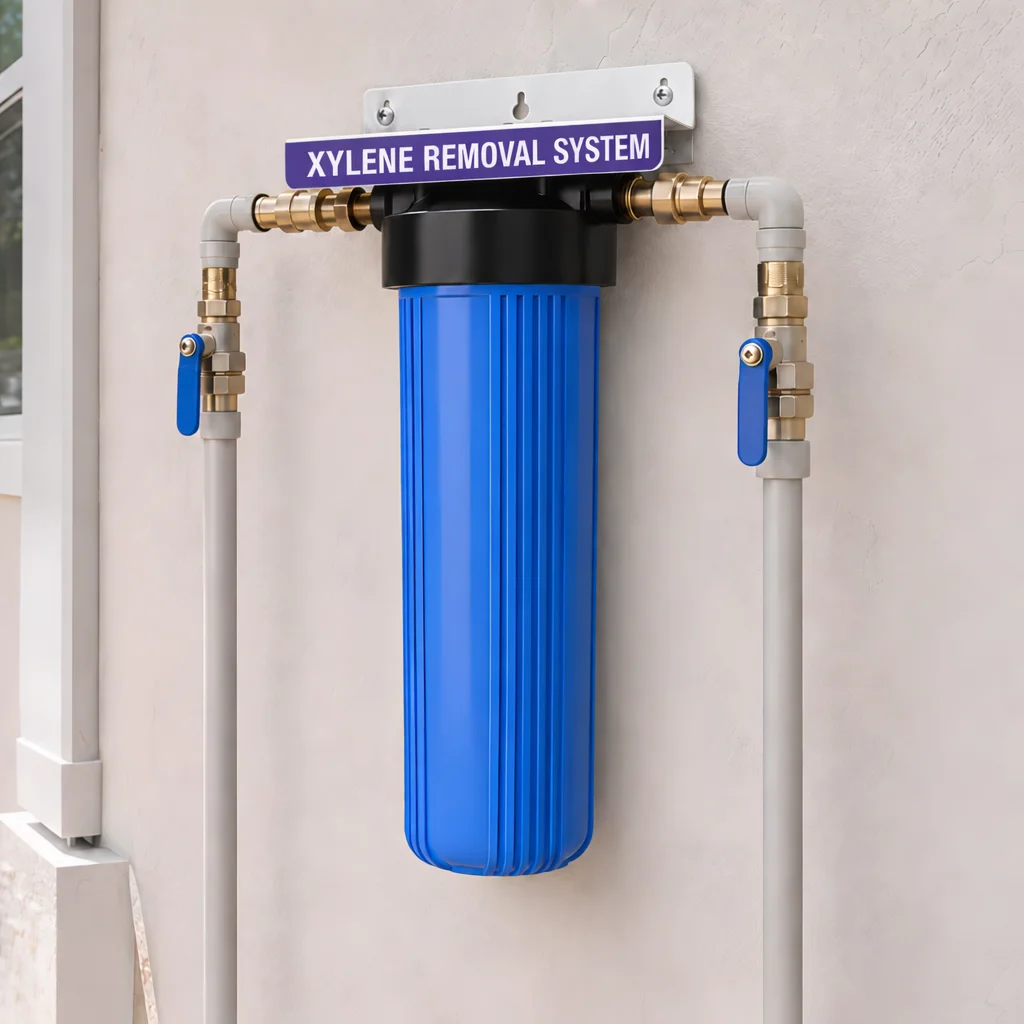
For whole‑house protection, a catalytic carbon filter is generally the best single‑filter choice for reducing VOCs such as xylene. Catalytic carbon removes organics by adsorption, trapping contaminants as water passes through a dense media bed, and it’s engineered to handle tougher organics better than standard activated carbon. Installed where water enters your Miami Springs home, a catalytic carbon system treats every shower, faucet and appliance so you get consistent VOC reduction throughout the house.
Sizing a catalytic carbon system for Miami Springs homes means focusing on contact time and media volume so the filter can consistently reduce xylenes and other taste‑and‑odor organics. That’s particularly important here, where hard municipal water can lead homeowners to expect extra strain on fixtures and appliances. Mr. Pure Water configures whole‑house systems to match your household flow and usage; if you have a recent lab report, we’ll review it to recommend the right catalytic carbon setup for effective xylene reduction.
 305-404-8790
 info@bestwaterheater.com

