 Phone: 407-214-2646
 info@bestwaterheater.com
Phone: 407-214-2646
info@bestwaterheater.com
info@bestwaterheater.com
Phone: 407-214-2646
info@bestwaterheater.com
 Phone: 407-214-2646
info@bestwaterheater.com
Phone: 407-214-2646
info@bestwaterheater.com

Including filter system and high-performance Xylene filter.


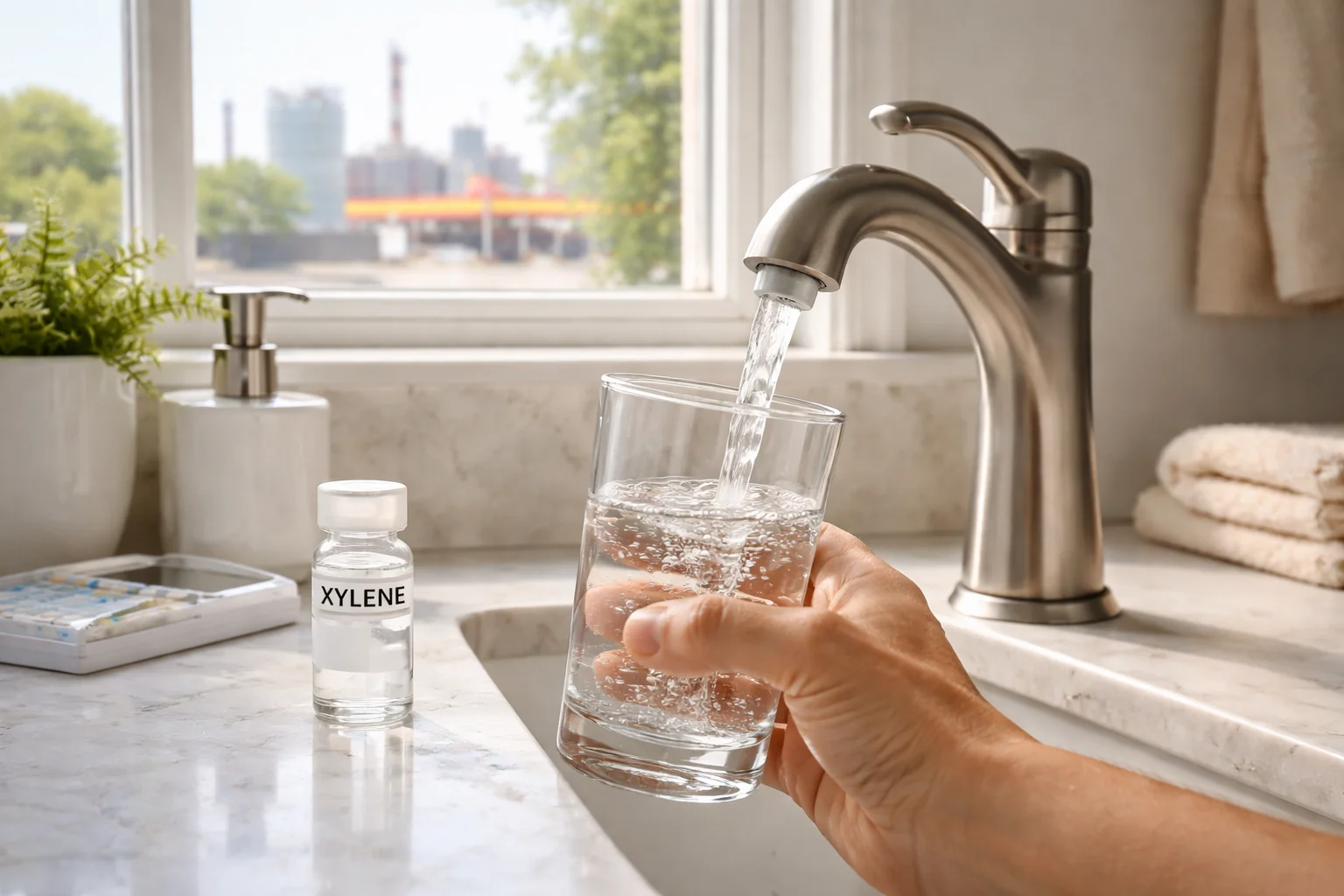
Xylene refers to a family of related solvents that can get into household water if petroleum products or industrial chemicals reach groundwater or your source supply. You may also see it called xylenes, since discussions often treat it as a group of compounds rather than a single chemical. Because you usually can’t spot it with the eye, concerns about xylene often start when homeowners in Ocoee notice odd tastes or odors, or when a water test highlights its presence and raises questions about overall water quality.
As a volatile organic compound (VOC), xylene is commonly tied to fuel components, degreasers, and certain coatings rather than to routine disinfectants or naturally occurring minerals. It can reach drinking water through spills, leaking storage, or improper disposal and may stick around long enough to be detected at the tap. Because VOCs don’t always produce a noticeable smell, the most reliable way to know whether xylenes are in your Ocoee water is a lab test; if results indicate an issue, treatment should focus on technologies proven to reduce VOCs effectively.
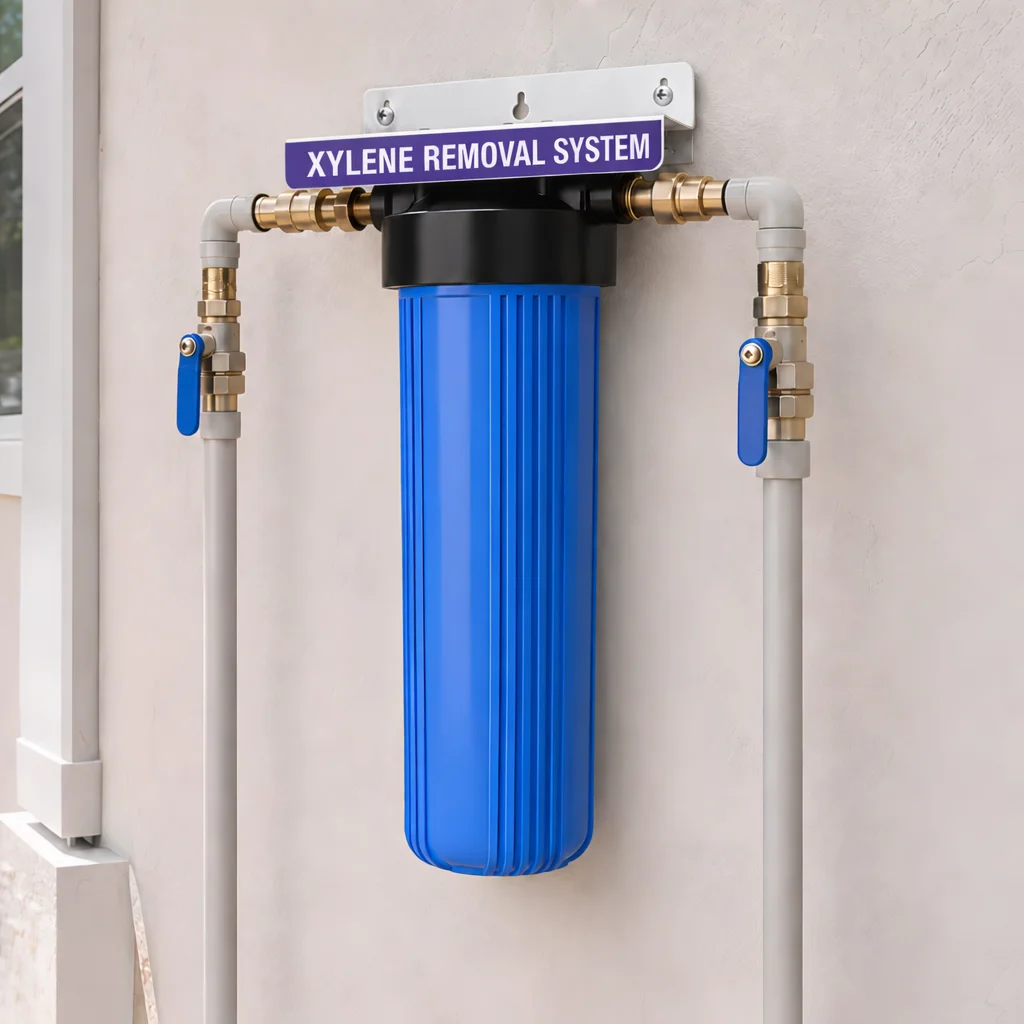
For treating xylene throughout the house, a catalytic carbon whole-house filter is generally the best single-filter choice. Carbon removes organics by adsorption as water passes through a dense media bed, and catalytic carbon is designed to be more reactive than standard activated carbon—helpful for tougher organics. When installed at the main water entry to an Ocoee home, a catalytic carbon system protects every shower, faucet, and appliance from VOCs like xylene.
A catalytic carbon whole-house system must be sized properly for your household flow and contact time to remove xylenes reliably—especially in Ocoee, where hard water can contribute to scale on fixtures and appliances. Adequate media volume and appropriate flow rates also help reduce other taste- and odor-causing organics, leaving water that tastes and smells fresher. Mr. Pure Water configures systems around your home’s needs; if you have a recent lab report, we’ll review it to recommend the right catalytic carbon setup for xylene reduction.
 407-214-2646
 info@bestwaterheater.com

